Industry News
Curation by industry experts
Hot Articles
Popular Tags
Jilin Chemical Fiber Launches 15,000-Ton High-End Artificial Silk Production, Boosting Green Supply Chains
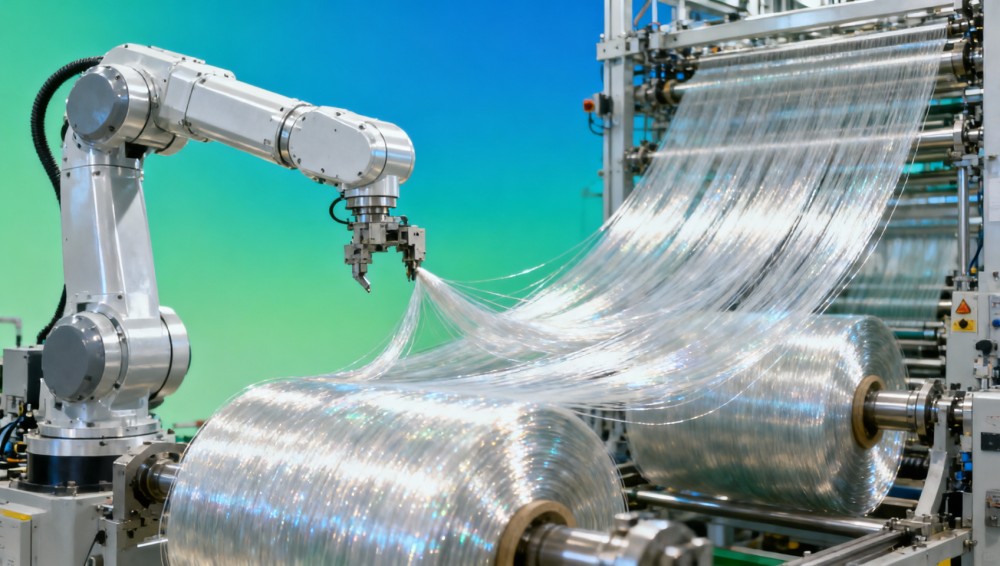
On March 29, 2026, Jilin Chemical Fiber officially commenced production of its 15,000-ton biomass-based fine-denier artificial silk project. The product has obtained 17 international green certifications, including FSC and EU-BAT, and is now eligible for inclusion in the sustainable fabric lists of global brands like Lululemon and Stella McCartney. This development is significant for industries reliant on eco-friendly textiles, as it addresses the growing demand for certified regenerated fibers in Europe and North America while mitigating supply chain gaps.
Event Overview
Jilin Chemical Fiber's new production line specializes in high-end artificial silk derived from biomass materials. The project enhances China's capacity to deliver premium regenerated fibers globally, providing immediate and stable supply options for buyers requiring compliance with ESPR carbon footprint standards. The product's certifications cover key sustainability benchmarks, positioning it as a viable solution for brands seeking to reduce environmental impact.
Impact on Key Industries
Luxury & Activewear Brands
Brands with stringent sustainability commitments, such as Lululemon and Stella McCartney, gain access to a verified supply source. The immediate availability of FSC-certified artificial silk helps these brands meet ESG targets without compromising on quality or lead times.
Textile Traders & Procurement Teams
European and North American buyers facing粘胶类面料 shortages now have an alternative that meets ESPR requirements. Procurement teams should reassess supplier lists to include this new option for time-sensitive orders.
Supply Chain Auditors
With 17 pre-validated certifications, auditors may streamline due diligence processes for clients sourcing from this project. The reduced verification workload could accelerate approval cycles.
Key Considerations for Stakeholders
Prioritize Certification Cross-Referencing
While the product holds multiple certifications, buyers should confirm alignment with their specific compliance frameworks (e.g., Higg Index, ZDHC) before integration.
Monitor Capacity Allocation
Given the project's scale (15,000 tons), brands should engage early to secure allocation, as demand may outpace initial production volumes.
Evaluate Carbon Accounting Synergies
The ESPR-compliant carbon footprint data could simplify Scope 3 emissions reporting for downstream users. Sustainability teams should request granular LCA documentation.
Industry Observation
From an industry perspective, this development signals China's growing capability to produce high-specification sustainable fibers at commercial scale. Rather than being an isolated achievement, it reflects broader advancements in biorefining technologies within the region. The immediate relevance lies in its potential to rebalance supply chains currently skewed toward conventional viscose.
Conclusion
Jilin Chemical Fiber's project delivers tangible solutions to the green fiber supply crunch, particularly for Western markets. Industry players should view this as a near-term operational opportunity rather than a long-term market shift, given the current production volume represents approximately 2% of global viscose capacity. The focus should remain on how this supply option complements existing sustainability strategies.
Source
Official announcement by Jilin Chemical Fiber Group (March 29, 2026), verified certification records from FSC International and EU-BAT database. Production capacity figures cross-checked with Textile Exchange's 2025 Market Report.
Recommended News
 Fabrics & YarnsThree Ministries Issue Action Plan for Textile Industry Upgrade via StandardsChina's Three Ministries launch Textile Industry Upgrade Action Plan via standards, targeting 300+ new standards by 2028. Learn how this impacts global trade compliance for manufacturers & exporters.Textile Industry AnalystApr 14, 2026
 Fabrics & YarnsJilin Chemical Fiber Launches 15,000-Ton High-End Artificial Silk Production, Boosting Green Supply ChainsJilin Chemical Fiber launches 15,000-ton high-end artificial silk production with 17 green certifications, offering sustainable solutions for global brands. Boost your eco-friendly supply chain now!Textile Industry AnalystApr 14, 2026
 Fabrics & YarnsEU Imposes Provisional Anti-Dumping Duties on Chinese Polyamide YarnEU imposes 18.2%-32.7% anti-dumping duties on Chinese polyamide yarn (PA6/PA66), impacting textile & sportswear supply chains. Learn key actions for exporters and importers to mitigate costs and compliance risks.Textile Industry AnalystApr 14, 2026
 Outdoor FurnitureChina Expands Smart Classification Pilot for Furniture Exports, Boosting EfficiencyChina expands smart classification pilot for furniture exports (HS codes 9401-9403) to Dongguan & Yiwu, boosting customs efficiency by 35% and reducing return rates. Essential for JIT supply chains.Interior Sourcing LeadApr 14, 2026