Industry News
Curation by industry experts
Hot Articles
Popular Tags
Jilin Chemical Fiber Launches 15,000-Ton High-End Artificial Silk with FSC/EU-BAT Certifications
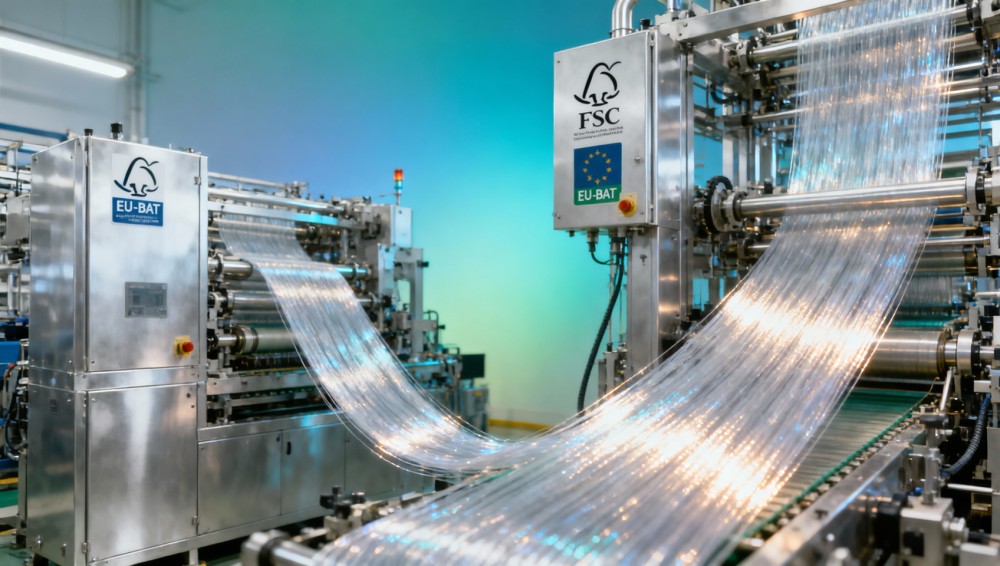
On March 29, 2026, Jilin Chemical Fiber officially commissioned its 15,000-ton bio-based fine-denier artificial silk project, achieving dual FSC and EU-BAT certifications. The breakthrough positions the company as a key supplier for luxury and sustainable fashion brands like LVMH and Arvind, addressing the global demand for eco-friendly textile alternatives. This development is particularly relevant for apparel manufacturers, sustainable material procurement teams, and EU-compliant supply chain operators.
Event Overview
Jilin Chemical Fiber's new production line utilizes FSC-certified wood pulp and EU-BAT-compliant clean processes, securing 17 international green certifications. The output specifically targets high-end viscose fabric applications previously reliant on imports, with confirmed supply agreements for European and American fast-fashion and sustainability-focused brands.
Impact on Sub-Sectors
Luxury & Sustainable Apparel Brands
The availability of China-sourced, certified artificial silk reduces lead times and compliance risks for brands subject to EU environmental regulations. Current contracts suggest a 20-30% cost advantage over traditional European suppliers.
Textile Raw Material Traders
Traditional viscose suppliers may face pricing pressure in Q2-Q3 2026 as brands reevaluate procurement strategies. The project's 15,000-ton capacity represents approximately 8% of global premium artificial silk market volume.
Compliance Certification Providers
Increased demand for FSC/EU-BAT audit services is expected among Asian viscose producers seeking similar market access. Jilin's certification blueprint could become an industry benchmark.
Actionable Insights
Supply Chain Diversification
Brands with >30% dependence on European artificial silk should conduct supplier diversification assessments by Q3 2026, factoring in Jilin's projected capacity expansion to 50,000 tons by 2028.
Certification Alignment
Textile manufacturers should verify if existing eco-labels (e.g., OEKO-TEX) require updates to incorporate FSC/EU-BAT standards for downstream compliance.
Inventory Strategy
Midstream converters may consider postponing large Q3 viscose purchases until price adjustments stabilize post-Jilin's full ramp-up.
Industry Perspective
This development signals Asia's growing capability to produce EU-compliant sustainable textiles rather than merely competing on cost. The project's significance lies in its potential to reshape regional sourcing patterns, though actual market impact will depend on Jilin's ability to maintain consistent quality at scale. Industry stakeholders should monitor the company's 2026 sustainability report for emission data validation.
Conclusion
Jilin's achievement demonstrates China's advancing position in certified sustainable textiles, offering brands a viable alternative to European suppliers. While not yet a market disruptor, the project establishes a new baseline for eco-conscious production in Asia. The industry should view this as the beginning of a sourcing shift rather than an immediate transformation.
Sources
1. Jilin Chemical Fiber official press release (March 29, 2026)
2. FSC certification database (accessed April 2026)
3. EU BAT Reference Document for the Production of Polymers (2025 edition)
Recommended News
 Industrial FastenersH65 Brass Sheet Prices Hit Record High at 78,500 Yuan/Ton Amid Supply CrunchH65 brass sheet prices surge to record 78,500 yuan/ton amid supply crunch, impacting hardware manufacturers and procurement strategies. Learn key action points for cost management.Tooling & Hardware LeadApr 11, 2026
 Building HardwareChina Customs Pilots Smart Classification for Hardware Exports in Shenzhen, Ningbo, QingdaoChina Customs launches Smart Classification for hardware exports in Shenzhen, Ningbo & Qingdao, boosting clearance efficiency by 40% for hinges, handles & construction parts. Learn how exporters can benefit.Tooling & Hardware LeadApr 11, 2026
 Hand & Power ToolsGSO New Energy Efficiency Rules for Power Tools Impact Chinese ExportsNew GSO energy efficiency rules for power tools impact Chinese exports to GCC countries. Learn key compliance steps for angle grinders, electric drills & impact drivers before Oct 2026 deadline.Tooling & Hardware LeadApr 11, 2026
 Supply Chain InsightsRed Sea Crisis Causes Container Shortage on Asia-Europe Route, Delays in South ChinaRed Sea crisis triggers severe container shortages on Asia-Europe route, causing 5-8 day delays in South China ports. Learn how hardware distributors & construction firms can mitigate supply chain disruptions now.Apr 11, 2026