Industry News
Curation by industry experts
Hot Articles
Popular Tags
India BIS Mandate for Wedding Apparel: IS 15620:2026 Effective July 2026
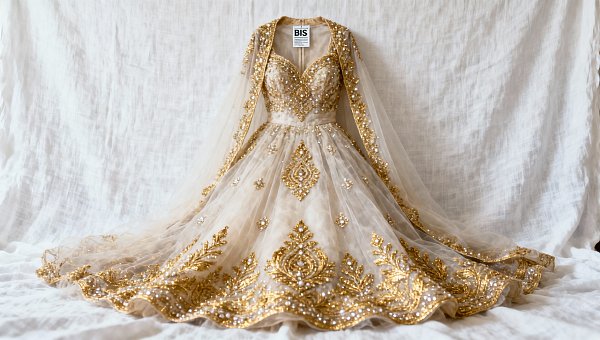
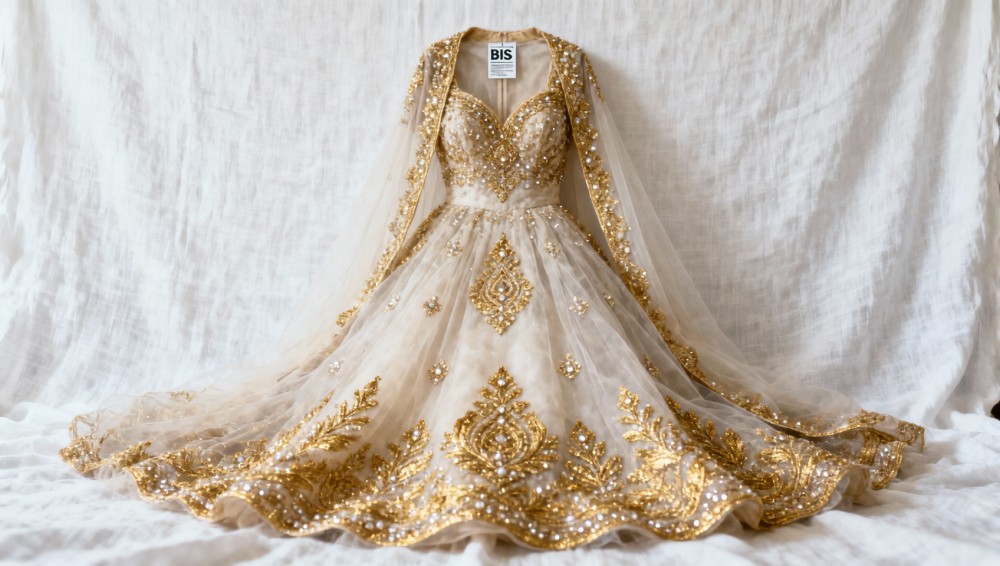
India’s Bureau of Indian Standards (BIS) has mandated compliance with IS 15620:2026 — the safety standard for textile materials used in wedding and formal attire — effective 1 July 2026. This requirement directly impacts importers of bridal gowns, bridesmaid dresses, groom’s formal wear, and accompanying veils entering the Indian market, signaling a new layer of regulatory accountability for global apparel exporters and supply chain stakeholders.
Event Overview
On 22 April 2026, the Bureau of Indian Standards issued an official notification confirming that IS 15620:2026, titled ‘Safety Requirements for Textile Materials Used in Wedding and Formal Attire’, will become compulsory from 1 July 2026. The standard applies to all imported wedding and formal apparel, including bridal gowns, bridesmaid dresses, groom’s formal suits, and matching veils. Under the mandate, importers — not manufacturers or exporters — are designated as the responsible parties for BIS registration. Products must be accompanied by full test reports from BIS-recognized laboratories covering four parameters: AZO dyes, formaldehyde, pH value, and heavy metals. Non-registered consignments will be detained at Indian ports, including Mumbai and Chennai customs.
Industries Affected by the Mandate
Direct Trading Enterprises (Importers & Distributors)
Importers serving the Indian wedding apparel market are directly liable for BIS registration and documentation compliance. Their operational risk increases significantly: unregistered shipments face port detention, clearance delays, storage fees, and potential re-export or destruction. Since registration is importer-specific — not product- or brand-based — each legal entity importing into India must complete its own BIS application, even if sourcing identical items from the same overseas supplier.
Overseas Manufacturing & Export Firms
Manufacturers and exporters supplying to Indian importers are indirectly but critically affected. Though not required to register themselves, they must ensure their products meet IS 15620:2026’s testing requirements before shipment. This necessitates coordination with BIS-recognized labs (many of which are located outside India), potentially extending lead times and increasing pre-shipment costs. Notably, test reports must be issued in the importer’s name — meaning manufacturers cannot pre-certify inventory for open-market resale.
Supply Chain & Compliance Service Providers
Third-party compliance consultants, testing lab coordinators, and customs brokers specializing in Indian textile imports will see heightened demand for IS 15620:2026-specific support — particularly around document preparation, lab report validation, and post-registration surveillance requirements. However, no new BIS recognition pathways or service frameworks have been announced; current capacity among BIS-recognized labs remains unchanged per publicly available information.
Key Priorities and Recommended Actions for Stakeholders
Monitor Official BIS Updates on Registration Procedures
The 22 April 2026 notification confirms the effective date and scope but does not detail the registration process, fee structure, or timeline for application approval. Stakeholders should track updates on the official BIS portal (bis.gov.in) and verify whether the scheme falls under the Compulsory Registration Scheme (CRS) framework — which typically requires factory audits and sample testing — or follows a simplified model. Confirmation of procedural details remains pending.
Identify and Engage BIS-Recognized Testing Laboratories Early
Only test reports from laboratories accredited by BIS — and explicitly listed in the latest BIS ‘List of Recognized Labs’ — will be accepted. As of the notification date, no list update specific to IS 15620:2026 has been published. Importers and suppliers should proactively identify currently recognized labs capable of performing all four required tests (AZO dyes, formaldehyde, pH, heavy metals) and initiate engagement to assess turnaround time and reporting formats.
Review and Align Internal Documentation Protocols
Since test reports must be issued in the importer’s name and reference the registered BIS application number (post-registration), pre-shipment testing conducted prior to registration may not satisfy compliance unless reissued. Companies should avoid premature testing without confirmed registration status and instead build buffer time into procurement schedules to accommodate sequential steps: registration → sample submission → testing → report issuance → customs filing.
Clarify Responsibility Boundaries Across Supply Chains
Contractual terms between importers, overseas suppliers, and logistics partners should explicitly assign responsibility for test report generation, cost bearing, and timeline adherence. Ambiguity in commercial agreements could result in disputes over detention-related losses — especially given that detention occurs at the importer’s point of entry, regardless of where non-compliance originated.
Editorial Perspective / Industry Observation
This mandate is best understood not as an isolated technical update, but as a signal of BIS’s broader strategic shift toward vertical-specific safety regulation in consumer textiles — moving beyond general standards like IS 15199 (for general apparel) to targeted norms for high-visibility, emotionally significant categories such as wedding wear. From industry perspective, the timing — with implementation set just over two years after standard publication — suggests BIS intends this to be operationally enforceable, not merely aspirational. However, analysis shows the absence of published implementation guidelines, fee schedules, or lab list revisions means the policy remains in a transitional phase: it is legally binding as of 1 July 2026, but practical execution depends on forthcoming administrative infrastructure. Therefore, while the deadline is fixed, the operational readiness threshold is still evolving.
Conclusion
IS 15620:2026 marks a material escalation in regulatory oversight for wedding apparel entering India — shifting compliance responsibility squarely onto importers and introducing mandatory, parameter-specific safety testing. Its significance lies less in novelty (textile safety regulation exists in other markets) and more in its specificity, enforcement mechanism, and alignment with India’s wider push for standardized quality assurance in lifestyle consumer goods. Currently, it is more accurate to view this as a binding regulatory milestone with pending operational scaffolding — one requiring proactive coordination, not passive wait-and-see.
Information Sources
Main source: Official notification issued by the Bureau of Indian Standards (BIS), dated 22 April 2026, referencing IS 15620:2026 and its enforcement date of 1 July 2026. Pending items requiring ongoing observation include: (i) publication of formal BIS registration guidelines for IS 15620:2026; (ii) updated list of BIS-recognized laboratories authorized for all four required tests; (iii) clarification on whether existing BIS CRS registrations can be extended to cover this standard.
Recommended News
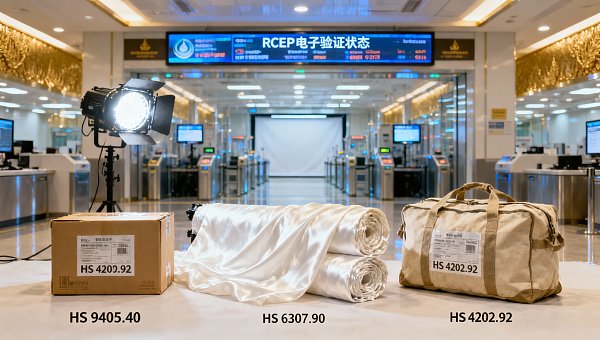
 Export UpdatesThailand Launches RCEP Origin Verification for Chinese Wedding Photo PropsRCEP origin verification for Chinese wedding photo props is live in Thailand—unlock zero tariffs & faster clearance for HS 9405.40, 4202.92, 6307.90 exports now.Apr 23, 2026
 Fabrics & YarnsTurkey TSE Mandates AATCC 100-2024 for Antibacterial Wedding BackdropsAATCC 100-2024 is now mandatory for antibacterial wedding backdrops entering Turkey — ensure compliance, avoid customs delays, and secure market access before 1 June 2026.Textile Industry AnalystApr 23, 2026
 Export UpdatesCanton Fair Phase II 2026 Launches Green Compliance Zone for Wedding Photo PropsGreen Compliance Zone launched at Canton Fair 2026 for wedding photo props — EU REACH, US CPSC & more. Get certification-ready now!Apr 23, 2026
 Garment MfgIndia BIS Mandate for Wedding Apparel: IS 15620:2026 Effective July 2026India BIS mandates IS 15620:2026 for wedding apparel — bridal gowns, veils & formal wear must meet safety testing by July 2026. Act now to avoid port delays!Textile Industry AnalystApr 23, 2026