Industry News
Curation by industry experts
Hot Articles
Popular Tags
Outdoor Rattan Furniture Maintenance: How to Prevent Fading and Cracking
Outdoor rattan furniture maintenance is essential for after-sales teams aiming to extend product life and reduce customer complaints.
From preventing UV fading to avoiding surface cracking caused by moisture and temperature shifts, proper care directly impacts user satisfaction and brand reputation.
This guide explains practical maintenance steps that help preserve appearance, durability, and long-term performance in outdoor environments.
Why Fading and Cracking Happen So Often Outdoors
For after-sales maintenance staff, the main user intent behind outdoor rattan furniture maintenance is clear: prevent visible damage before it becomes a warranty issue.
Most complaints are not about structural failure at first. They begin with color fading, brittle texture, loose weave sections, or small surface splits.
These problems usually come from four combined stresses: UV exposure, trapped moisture, temperature fluctuation, and improper cleaning methods during regular service visits.
Natural rattan and synthetic PE rattan behave differently, but both can deteriorate faster when outdoor placement, storage, and maintenance routines are inconsistent.
That means after-sales teams should not only clean furniture. They need to identify material type, exposure level, and early warning signs before damage spreads.
What After-Sales Teams Should Check First During Inspection
The most useful maintenance work starts with inspection, not treatment. A fast visual check helps staff decide whether the furniture only needs cleaning or deeper intervention.
Begin by examining color uniformity on armrests, top rails, and seat edges. These raised surfaces usually receive the strongest sunlight and show fading earliest.
Next, press lightly on several woven strands. If the material feels dry, stiff, or slightly brittle, surface protection has likely weakened.
Look closely at joints, corners, and areas near metal frames. Cracking often starts where the weave bends sharply or where heat builds up around structural parts.
Also inspect for mildew, dirt buildup, sunscreen residue, salt deposits, and standing water marks. These contaminants accelerate aging and affect customer perception immediately.
A simple inspection checklist improves consistency across service teams and helps document condition before repair, replacement, or maintenance recommendations are issued.
How to Clean Outdoor Rattan Without Causing More Damage
One of the biggest after-sales mistakes is aggressive cleaning. Harsh chemicals and hard brushes may remove dirt quickly, but they can shorten product life.
For routine cleaning, use a soft brush or microfiber cloth with mild soap diluted in lukewarm water. Avoid bleach, strong alkaline cleaners, and solvent-based products.
Clean from top to bottom so dirt does not re-contaminate finished areas. Work gently into the weave pattern to remove trapped dust and organic debris.
For deeper cleaning, a low-pressure rinse may be used on synthetic rattan, but never use high-pressure washing close to the surface.
Pressure can weaken bindings, open seams, and damage protective coatings. It may also force moisture into hidden areas that dry slowly afterward.
After washing, dry the furniture fully with a clean cloth and allow airflow around the piece. Moisture left in shaded weave sections often leads to later cracking.
Good cleaning is not just about appearance. It preserves flexibility, reduces chemical stress, and prepares the surface for protective treatment if needed.
Best Practices to Prevent UV Fading
UV radiation is the leading cause of fading in outdoor furniture, especially in bright climates, rooftop settings, pool areas, and open commercial terraces.
After-sales teams should explain to customers that even UV-stabilized synthetic rattan is not permanently fade-proof. It resists sunlight better, but still ages over time.
The most effective preventive measure is reducing direct exposure during peak sunlight hours. Shade structures, umbrellas, pergolas, and furniture covers all help.
However, covers must be breathable. Non-breathable covers trap heat and moisture, which can create a different set of problems beneath the surface.
Where suitable for the manufacturer’s material specification, use a UV-protective surface treatment designed for outdoor woven furniture.
Always test a small hidden area first and follow the product compatibility guidelines. Not every protectant performs well on every resin or finish.
In commercial environments, rotating furniture placement can also reduce uneven fading. This is especially useful when one side faces the sun continuously.
When customers understand that fading is cumulative rather than sudden, they are more likely to follow preventive care instructions consistently.
How to Reduce the Risk of Cracking and Brittleness
Cracking usually develops after prolonged material stress, not from a single event. It often appears after cycles of heat, dryness, cold nights, and retained moisture.
To reduce this risk, maintenance teams should focus on keeping the weave clean, dry, and protected from extreme environmental swings where possible.
Furniture should never remain soaked for long periods, especially if covers prevent ventilation. Water retention can weaken flexibility and increase stress during temperature changes.
In colder regions, freezing conditions can make aged rattan more brittle. Seasonal storage or sheltered placement becomes an important part of maintenance planning.
If the furniture is stackable, ensure stacking does not deform woven sections. Long-term pressure on the same points may contribute to stress cracks.
For synthetic rattan, heat buildup near reflective walls, glass barriers, or dark paving can also intensify drying and material fatigue.
After-sales teams should note these environmental conditions during service calls. Practical placement advice can prevent repeat complaints better than repeated cosmetic fixes.
Protective Maintenance Routines That Actually Work
Effective outdoor rattan furniture maintenance depends on routine, not occasional rescue treatments after visible damage has already appeared.
A practical schedule includes light dust removal weekly, gentle cleaning monthly, and a detailed condition inspection at least once each season.
In high-exposure commercial sites such as hotels, cafes, and resorts, inspection intervals should be shorter because wear develops faster under heavy use.
Seasonal maintenance should include checking weave tension, cleaning drainage points, tightening hardware if applicable, and reviewing protective cover condition.
Where approved by the supplier, reapplying a protective conditioner or UV shield on schedule can help maintain flexibility and visual consistency.
Documentation matters too. Service logs with dates, site conditions, cleaning products used, and observed damage patterns help identify recurring root causes.
This structured approach supports better warranty decisions and gives manufacturers or distributors stronger evidence when discussing maintenance responsibility with buyers.
Common Customer Mistakes After-Sales Teams Should Correct Early
Many fading and cracking cases can be traced to customer behavior rather than product defects. Addressing these habits early reduces unnecessary escalations.
A common mistake is leaving furniture uncovered in intense sun year-round, then covering it tightly during rain without allowing ventilation afterward.
Another is using household cleaners that contain bleach, ammonia, or abrasive particles. These may damage color, texture, and surface stability.
Some users place hot items directly on woven surfaces or drag furniture across rough flooring, which causes localized stress and premature wear.
Storage errors are also common. Damp garages, sealed sheds, or plastic wrapping can create moisture accumulation that is not immediately visible.
After-sales staff add real value when they give simple, preventive instructions instead of waiting until visible damage forces a replacement discussion.
When Maintenance Is Enough and When Replacement Is Smarter
Not every damaged unit should be repaired. After-sales teams need clear judgment criteria to decide when maintenance remains practical and when replacement is more cost-effective.
If fading is light and the weave remains flexible, cleaning and protection may restore acceptable appearance and extend service life meaningfully.
If cracking is localized and the frame is stable, partial repair may still be possible depending on weave design and spare material availability.
But if brittleness is widespread, multiple strands are splitting, or the weave has lost structural tension, repeated patching usually delivers poor long-term results.
Likewise, if internal corrosion, frame distortion, or water-related weakening appears beneath surface symptoms, the issue is no longer cosmetic maintenance alone.
Setting realistic expectations is important. A well-documented recommendation protects both brand credibility and customer trust better than overpromising recovery.
How Better Maintenance Supports Brand Reputation and Lower Complaint Rates
For manufacturers, distributors, and service partners, outdoor rattan furniture maintenance is not just a technical task. It directly affects retention and perceived product quality.
Customers rarely distinguish between material limits and poor maintenance guidance. If fading and cracking appear early, they often blame the brand first.
That is why after-sales teams play a strategic role. Their inspection habits, service consistency, and care instructions shape the customer’s long-term experience.
Clear maintenance guidance also creates stronger trust signals in B2B supply relationships, especially for hospitality, property, and commercial furnishing buyers.
When complaints decrease and furniture life improves, brands gain more than lower service costs. They gain proof of reliability in real outdoor conditions.
Conclusion
The core goal of outdoor rattan furniture maintenance is simple: slow down environmental damage before fading, brittleness, and cracking become visible customer problems.
For after-sales teams, the most effective approach combines inspection, gentle cleaning, UV prevention, moisture control, and clear user guidance.
Rather than treating every case as a product defect, staff should evaluate exposure conditions, material type, maintenance history, and damage stage carefully.
When these steps become routine, furniture lasts longer, complaint rates fall, and customers see consistent value from the product and the brand behind it.
Recommended News
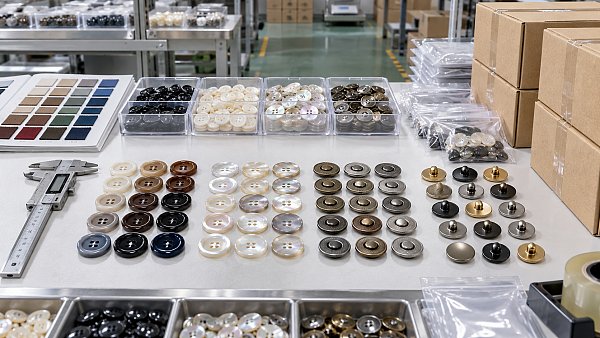
 Garment MfgWhat drives unit costs when buying garment buttons wholesale?Garment buttons wholesale costs depend on material, tooling, finish, MOQ, quality, packing, and freight. Learn how to compare true landed costs and source reliably.Textile Industry AnalystOct 06, 2026
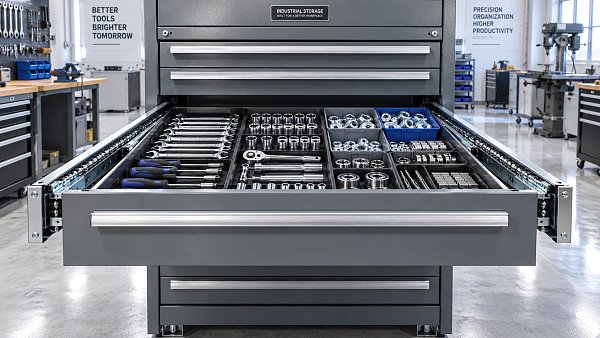
 Building HardwareWhat load rating should you specify for wholesale ball bearing slides?Wholesale ball bearing slides: learn how to specify the right load rating for drawer weight, extension, mounting, and durability. Source smarter and reduce failures.Tooling & Hardware LeadOct 05, 2026
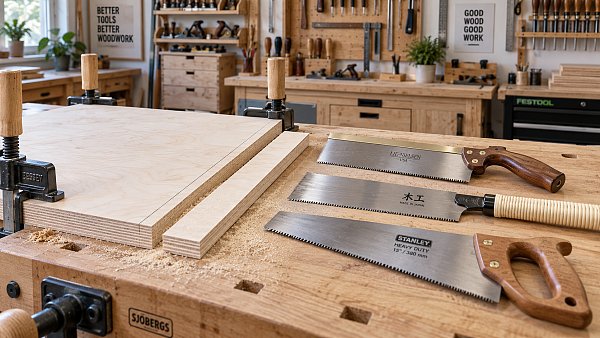
 Hand & Power ToolsHow to choose a hand saw for woodworking without tear-outHand saw for woodworking guide: choose the right tooth pattern, blade, and technique to achieve clean, precise cuts with less tear-out. Explore practical buying tips.Tooling & Hardware LeadOct 04, 2026
 Eco PackagingWhat affects the price of kraft paper rolls bought wholesale?Kraft paper rolls wholesale pricing depends on grade, basis weight, roll size, order volume, freight, and certifications. Learn how to compare landed costs and choose reliable value.Packaging Supply ExpertOct 03, 2026