Industry News
Curation by industry experts
Hot Articles
Popular Tags
High Strength Stainless Steel Fasteners: When Higher Grade Really Pays Off
For enterprise buyers, choosing high strength stainless steel fasteners is not just a technical decision—it is a cost, risk, and performance strategy. In demanding industrial environments, higher grades can deliver longer service life, better corrosion resistance, and fewer failures. This article explores when premium fastener grades truly pay off and how to evaluate them for smarter sourcing decisions.
Why a Checklist Matters Before Upgrading Fastener Grade
Many projects assume that a higher grade always means better value. That is not always true. The real benefit of high strength stainless steel fasteners depends on load, corrosion, service access, and failure cost.
In hardware, infrastructure, equipment, and assembly applications, over-specification raises material cost without improving system performance. Under-specification creates premature failure, warranty claims, shutdowns, and replacement labor.
A checklist-based review helps compare mechanical grade, stainless family, coating compatibility, and lifecycle economics. It turns fastener selection from habit into a controlled sourcing decision.
Core Checklist for Evaluating High Strength Stainless Steel Fasteners
Use the following points to decide whether high strength stainless steel fasteners will create measurable value in a given application.
- Define the actual working load, shock load, and clamp force requirement before reviewing grades, because tensile strength alone does not confirm joint reliability.
- Check the exposure environment first, including salt spray, chemical washdown, humidity, heat cycling, and outdoor contamination, since corrosion often drives total cost faster than strength.
- Verify the stainless alloy family, such as 304, 316, or precipitation-hardening grades, because strength and corrosion resistance do not increase at the same rate.
- Confirm applicable standards, including ASTM, ISO, DIN, or application-specific requirements, to avoid sourcing material that looks equivalent but fails compliance review.
- Review galling risk in threaded assemblies, especially with stainless-to-stainless contact, and specify lubrication, surface finish, or dissimilar pairing if needed.
- Calculate installed cost, not purchase price alone, by including maintenance intervals, access difficulty, replacement downtime, and labor for rework.
- Assess joint criticality carefully; where fastener failure can damage equipment, interrupt production, or create safety exposure, premium grades usually justify the spend.
- Request traceability, test reports, and lot consistency data from suppliers, because mixed metallurgy or weak process control can erase the value of premium material.
What “Higher Grade” Usually Means
In sourcing discussions, higher grade may refer to stronger stainless alloys, cold-worked material, precipitation-hardened stainless, or better-controlled production. It does not simply mean “more stainless” or “more corrosion proof.”
For example, 316 may outperform 304 in chloride environments, while a hardened stainless fastener may outperform both in load-bearing assemblies. The right choice depends on the failure mode you are trying to prevent.
When High Strength Stainless Steel Fasteners Really Pay Off
Marine and Coastal Installations
In coastal structures, port hardware, outdoor enclosures, and marine-adjacent equipment, corrosion is relentless. Standard carbon steel fasteners often fail long before the main structure reaches service age.
Here, high strength stainless steel fasteners pay off when replacement access is difficult or when corrosion causes seizure, staining, or loss of clamp load. Grade selection must also address chlorides, crevice conditions, and splash zones.
Food Processing and Washdown Equipment
Frequent washdown cycles combine water, chemicals, temperature shifts, and sanitation demands. In these settings, basic fasteners may rust, pit, or contaminate surfaces, creating both maintenance and compliance issues.
Premium stainless fasteners provide better resistance and cleaner long-term appearance. If the assembly is opened for maintenance, anti-galling control becomes just as important as strength rating.
Industrial Machinery Under Vibration
Vibration, cyclic loading, and thermal movement place continuous stress on bolted joints. A low-grade fastener may not fail instantly, but gradual loosening or fatigue can create unplanned downtime.
In these applications, high strength stainless steel fasteners justify the premium when combined with correct preload, locking method, and installation control. Strength alone cannot solve a poor joint design.
Architectural and Public-Facing Hardware
Visible hardware in façades, rail systems, signage, and outdoor fixtures must hold load while retaining appearance. Corrosion stains on finished surfaces can damage both asset value and brand perception.
Higher grade stainless options often pay off here because replacement is disruptive and cosmetic failure appears long before structural failure. This is a lifecycle and reputation decision, not just a material choice.
Commonly Overlooked Risks
Ignoring Galling in Stainless Threads
Many teams upgrade to stainless for corrosion resistance but forget thread seizure. Galling can destroy installation speed and increase scrap. Use proper lubrication, torque control, and compatible nut-bolt combinations.
Assuming Corrosion Resistance Equals High Strength
Some stainless grades resist corrosion very well but are not ideal for highly loaded joints. Others offer excellent strength but need careful environmental review. Always match grade to the dominant risk.
Missing Galvanic Compatibility
A premium stainless fastener can still accelerate corrosion when joined with dissimilar metals in wet conditions. Review the full assembly, not just the bolt specification, especially in outdoor equipment.
Buying on Grade Label Alone
Marking claims are not enough. Material certificates, hardness verification, dimensional consistency, and production traceability are essential. For critical joints, supplier process discipline matters as much as alloy selection.
Practical Execution Steps for Smarter Sourcing
- Map each fastener to its service environment and classify it as cosmetic, functional, or safety-critical before upgrading specification.
- Compare at least two stainless options against one baseline material using lifecycle cost, not unit price, over the expected service period.
- Run sample validation for torque, fit, corrosion, and field installation behavior before placing volume orders for high strength stainless steel fasteners.
- Standardize approved grades and sizes across product lines where possible to reduce inventory complexity and improve sourcing leverage.
- Document approved suppliers, test standards, and inspection checkpoints so future substitutions do not introduce hidden performance risk.
Conclusion and Next-Step Action
High strength stainless steel fasteners deliver the best return where failure is expensive, corrosion is persistent, access is limited, or appearance matters over time. They are not automatically the best answer for every joint.
The smart approach is to review environment, load, joint design, compliance, and supplier quality as one decision set. That process reveals where premium fastener grades genuinely reduce total cost and operational risk.
Start with a fastener audit on high-risk assemblies, test shortlisted grades under real conditions, and build a specification standard based on lifecycle performance. That is when paying more becomes paying wisely.
Recommended News
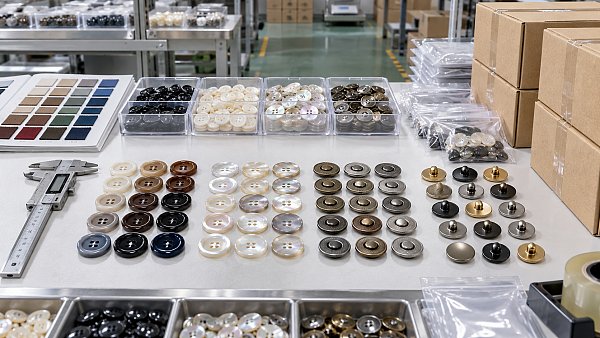
 Garment MfgWhat drives unit costs when buying garment buttons wholesale?Garment buttons wholesale costs depend on material, tooling, finish, MOQ, quality, packing, and freight. Learn how to compare true landed costs and source reliably.Textile Industry AnalystOct 06, 2026
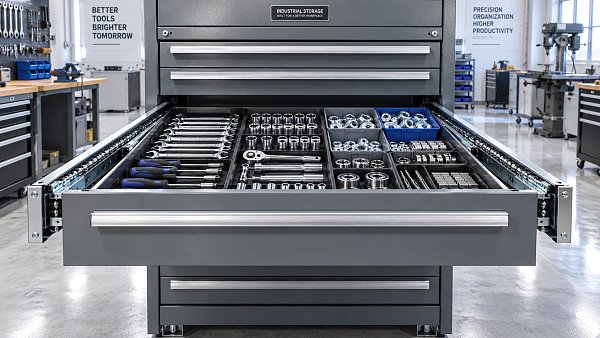
 Building HardwareWhat load rating should you specify for wholesale ball bearing slides?Wholesale ball bearing slides: learn how to specify the right load rating for drawer weight, extension, mounting, and durability. Source smarter and reduce failures.Tooling & Hardware LeadOct 05, 2026
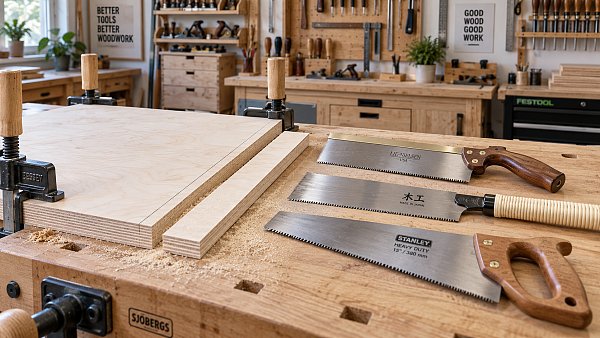
 Hand & Power ToolsHow to choose a hand saw for woodworking without tear-outHand saw for woodworking guide: choose the right tooth pattern, blade, and technique to achieve clean, precise cuts with less tear-out. Explore practical buying tips.Tooling & Hardware LeadOct 04, 2026
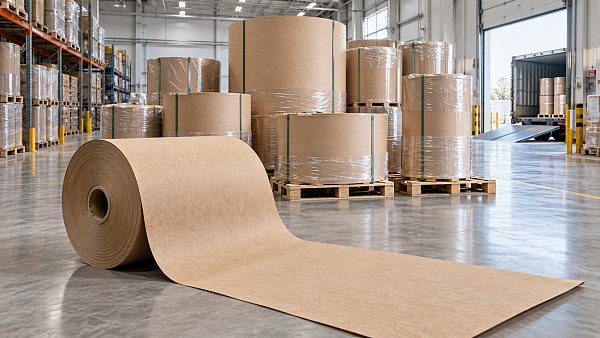
 Eco PackagingWhat affects the price of kraft paper rolls bought wholesale?Kraft paper rolls wholesale pricing depends on grade, basis weight, roll size, order volume, freight, and certifications. Learn how to compare landed costs and choose reliable value.Packaging Supply ExpertOct 03, 2026