Industry News
Curation by industry experts
Hot Articles
Popular Tags
Vietnam's New Labeling Rule for Imported Hardware Tools Effective April 15, 2026
Vietnam's New Labeling Rule for Imported Hardware Tools Effective April 15, 2026
Introduction
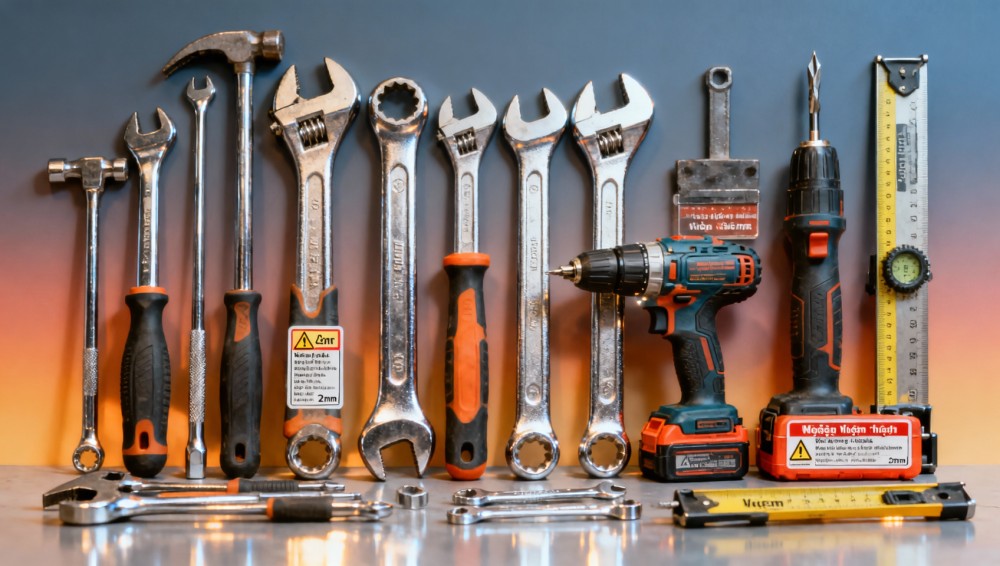
Vietnam's Ministry of Industry and Trade (MOIT) has issued a new regulation requiring all imported hardware tools, including manual tools, power tools, measuring instruments, and fasteners, to bear Vietnamese safety warning labels starting April 15, 2026. This rule mandates specific labeling requirements, such as usage prohibitions, protective measures, and disposal symbols, with a minimum font height of 2mm. Non-compliant products will be rejected by Ho Chi Minh City Customs. This development is particularly relevant for exporters, especially those from China, and highlights the growing importance of localization and flexible labeling capabilities in supply chains.
Event Overview
The MOIT's Circular No. 15/2026/TT-BCT stipulates that all imported hardware tools must include Vietnamese safety warning labels on their minimum sales units. The labels must clearly display usage restrictions, protective requirements, and disposal indicators, with text no smaller than 2mm in height. The regulation takes effect on April 15, 2026, and non-compliant products will face rejection at customs.
Impact on Sub-Sectors
Direct Trade Enterprises
Exporters, particularly those from China, will need to adapt their packaging to meet the new labeling requirements. This may involve additional costs and coordination with local partners for translation and design.
Supply Chain Service Providers
Companies offering multilingual label design and flexible printing services stand to benefit, as demand for these capabilities will likely increase.
Retailers and Distributors
Businesses involved in the distribution of hardware tools in Vietnam must ensure their inventory complies with the new rules to avoid customs delays or rejections.
Key Considerations and Actions
Monitor Official Updates
Companies should stay informed about any clarifications or additional guidelines from Vietnamese authorities to ensure full compliance.
Assess Labeling Capabilities
Exporters should evaluate their ability to meet the new requirements, including partnerships with local designers or printers if necessary.
Plan for Supply Chain Adjustments
Businesses may need to adjust production timelines or logistics to accommodate the new labeling process, ensuring products arrive in Vietnam with compliant packaging.
Editor's Perspective
From an industry standpoint, this regulation underscores Vietnam's focus on consumer safety and local language accessibility. While it presents challenges for exporters, it also creates opportunities for supply chain partners with the right capabilities. The rule is more than a procedural change; it signals Vietnam's tightening standards for imported goods, which may influence similar measures in other markets.
Conclusion
Vietnam's new labeling requirement for imported hardware tools reflects a broader trend toward stricter compliance and localization in global trade. Exporters and supply chain partners should view this as a call to enhance their adaptability and responsiveness to regulatory changes. Proactive preparation and collaboration with local experts will be key to navigating this shift successfully.
Source
Vietnam Ministry of Industry and Trade (MOIT) Circular No. 15/2026/TT-BCT. Further updates may be issued, and stakeholders are advised to monitor official communications.
Recommended News
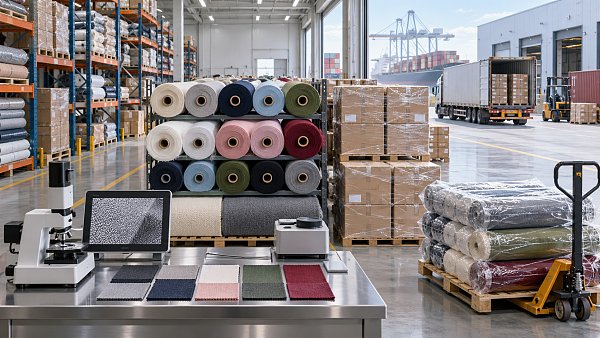
 Fabrics & YarnsWhat drives textile procurement cost beyond the quoted fabric price?Textile procurement cost goes far beyond the quoted fabric price. Discover how freight, quality, MOQ, compliance, payment terms, and supplier reliability shape total sourcing cost.Textile Industry AnalystOct 07, 2026
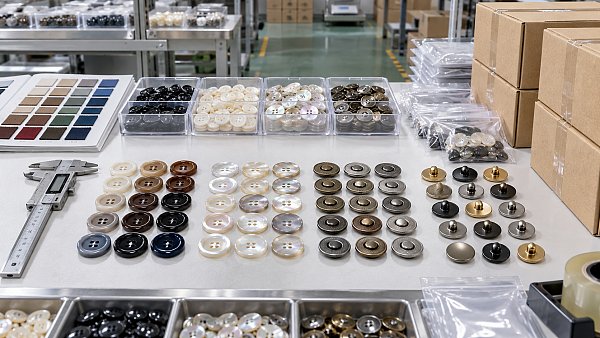
 Garment MfgWhat drives unit costs when buying garment buttons wholesale?Garment buttons wholesale costs depend on material, tooling, finish, MOQ, quality, packing, and freight. Learn how to compare true landed costs and source reliably.Textile Industry AnalystOct 06, 2026
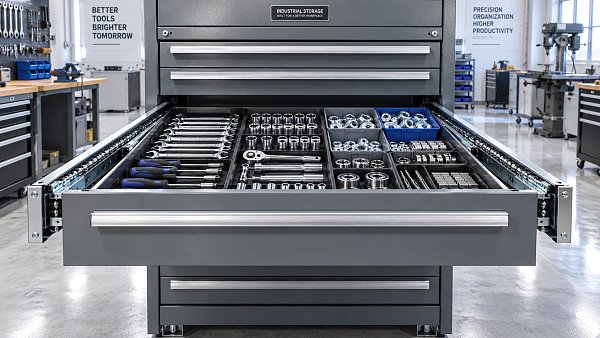
 Building HardwareWhat load rating should you specify for wholesale ball bearing slides?Wholesale ball bearing slides: learn how to specify the right load rating for drawer weight, extension, mounting, and durability. Source smarter and reduce failures.Tooling & Hardware LeadOct 05, 2026
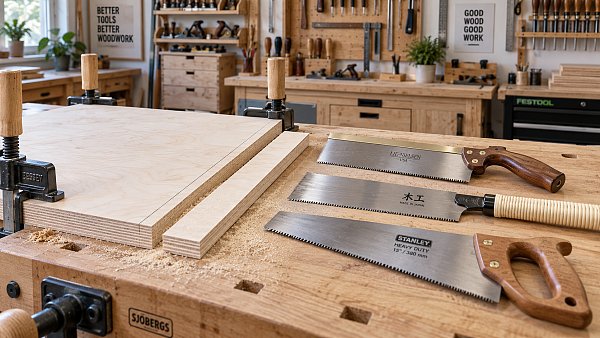
 Hand & Power ToolsHow to choose a hand saw for woodworking without tear-outHand saw for woodworking guide: choose the right tooth pattern, blade, and technique to achieve clean, precise cuts with less tear-out. Explore practical buying tips.Tooling & Hardware LeadOct 04, 2026