Industry News
Curation by industry experts
Hot Articles
Popular Tags
Fine Pitch LED Display vs LCD Video Wall
For business evaluators comparing display investments, the choice between a fine pitch LED display and an LCD video wall goes far beyond image quality. From total cost of ownership and installation flexibility to durability, maintenance, and viewing performance, each solution serves different commercial priorities. This guide explains how a fine pitch LED display compares with LCD video walls in practical commercial settings, helping decision-making stay focused on long-term value rather than headline specifications alone.
What is a fine pitch LED display, and how is it different from an LCD video wall?
A fine pitch LED display uses very small pixel spacing between LED diodes. That narrow spacing enables sharper images at closer viewing distances.
LCD video walls combine multiple LCD panels into one large screen. Each panel contributes part of the overall image.
The most visible difference is panel seams. LCD video walls usually show bezels between panels, while a fine pitch LED display offers a seamless surface.
This matters in control rooms, flagship retail, broadcast studios, lobbies, and premium meeting spaces. Continuous visuals often create stronger visual impact.
However, seamless design is not the only factor. Brightness, service access, room lighting, mounting depth, and operating hours can shift the best choice.
A fine pitch LED display also differs in construction. It is modular, scalable, and often built for custom sizes, curves, or unusual aspect ratios.
LCD walls are more standardized. That can simplify budgeting for common formats, especially when exact custom dimensions are unnecessary.
Which display technology performs better for image quality and viewing experience?
The answer depends on distance, content type, and ambient light. There is no universal winner for every environment.
A fine pitch LED display usually excels in brightness, seamless presentation, and large-format visual consistency. It remains highly visible in bright indoor spaces.
LCD video walls often deliver strong color detail and crisp images for standard corporate content. They can perform very well in controlled lighting.
For close viewing, pixel pitch is critical. If the pitch is too wide, a fine pitch LED display may look less refined at short distances.
By contrast, LCD panels naturally suit close-range applications such as boardrooms, signage near foot traffic, and information displays viewed at short range.
For immersive branding, data visualization, and large continuous canvases, a fine pitch LED display often delivers a more premium viewer experience.
Viewing angle also matters. LED solutions generally maintain strong visual consistency across wider positions, especially in open commercial interiors.
- Choose LED when seamless scale and brightness matter most.
- Choose LCD when close-up detail and lower entry cost matter more.
- Always match pitch or panel layout to actual viewing distance.
Where is a fine pitch LED display the better fit, and where does LCD still make sense?
A fine pitch LED display is often the better choice for premium commercial spaces. These include experience centers, transportation hubs, studios, and command environments.
It is also suitable where wall dimensions are unconventional. Modular cabinets allow unusual sizes without the rigid constraints of panel-based layouts.
In high-traffic public settings, LED durability can be a major advantage. Many deployments run long hours without performance compromise.
LCD still makes strong business sense in conference rooms, education spaces, corporate signage zones, and budget-sensitive indoor projects.
When content is mostly dashboards, presentations, menu boards, or standard video loops, LCD can meet requirements without the premium cost of LED.
If future expansion is likely, a fine pitch LED display offers better scalability. Additional modules can often extend the screen more naturally.
If installation time must stay short and the room already supports standard wall mounting, LCD systems may move faster from purchase to operation.
How do cost, maintenance, and total ownership compare?
Upfront cost is often where LCD appears more attractive. In many indoor projects, LCD video walls require less initial budget than a fine pitch LED display.
Yet purchase price alone can mislead. Long-term ownership includes maintenance access, replacement strategy, operating hours, energy use, and downtime risk.
A fine pitch LED display may cost more initially, but it can reduce visual obsolescence. Seamless presentation remains competitive for longer.
Serviceability is another factor. Many LED systems allow front or rear maintenance by module, which can simplify repair in fixed architectural spaces.
LCD walls rely on replacing individual panels. Matching brightness, color, and panel generation over time can become challenging.
For continuous-use environments, durability often favors a fine pitch LED display. Heavy-duty usage patterns can justify the larger initial investment.
For moderate daily use, LCD may still provide the better return. It depends on operating profile rather than technology reputation.
Key ownership questions to ask
- How many hours will the screen run each day?
- Will viewers stand very close to the display?
- Is a visible bezel acceptable for the content?
- Will future resizing or relocation be needed?
- How costly would downtime be in this location?
What installation, environment, and risk factors are often overlooked?
Many selection mistakes happen before the display is turned on. They start with room measurements, structure limits, airflow, and maintenance access.
A fine pitch LED display can be excellent in challenging spaces, but only when structure, power, and ventilation are planned carefully.
LCD video walls may seem simpler, yet panel seams, alignment, and wall flatness can affect final image quality more than expected.
Ambient light is another common oversight. A fine pitch LED display generally handles bright interiors more confidently than many LCD alternatives.
Content design also affects results. Fine text, spreadsheets, and static interface elements need proper scaling, regardless of display type.
Do not evaluate technology without a real content test. Brand films, dashboards, live feeds, and presentation layouts behave differently on each platform.
Common decision risks
- Choosing by showroom impression instead of actual viewing distance.
- Ignoring future maintenance access behind walls or decorative finishes.
- Overpaying for LED where LCD already meets the use case.
- Underestimating the branding value of a seamless fine pitch LED display.
How should a final decision be made between fine pitch LED display and LCD video wall?
Start with use conditions, not product preference. The strongest decision comes from viewing distance, runtime, lighting, content type, and visual expectations.
Choose a fine pitch LED display when seamless scale, brightness, durability, and premium presentation are central to business value.
Choose LCD video walls when cost discipline, close-range clarity, and standard indoor presentation are the main priorities.
If the project supports both options, compare them using a weighted scorecard. Include technical fit, ownership cost, maintenance, and brand impact.
In many modern commercial environments, the fine pitch LED display is gaining ground because it aligns with flexible architecture and premium digital experiences.
Still, LCD remains highly relevant where practical performance and capital efficiency define success. The better option is the one that fits the operating reality.
Before committing, test real content, confirm service access, review lifetime cost, and compare installation constraints. That process turns a display purchase into a durable business asset.
Recommended News
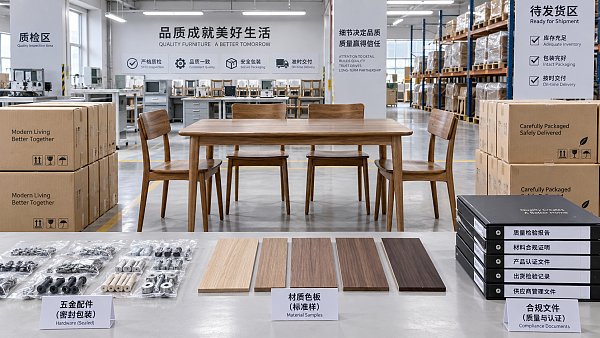
 Office FurnitureHow supplier scorecards reduce risk in furniture procurementFurniture procurement supplier management becomes more resilient with supplier scorecards that track quality, delivery, compliance, and corrective actions. Learn how to reduce sourcing risk.Interior Sourcing LeadSep 26, 2026
 Office Paper & Printing PaperHow roll diameter affects downtime when using jumbo paper rollsJumbo paper rolls can cut changeovers and downtime—if your unwinder, handling, and tension control can support them. Find the optimal roll diameter for smoother output.Packaging Supply ExpertSep 25, 2026
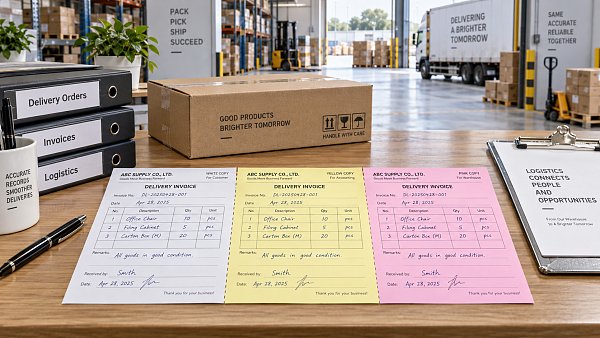
 Office Paper & Printing PaperWhen does carbonless paper for invoices reduce billing errors?Carbonless paper for invoices reduces billing errors by creating clear, consistent copies for deliveries, service calls, and approvals. Learn when it strengthens billing control.Packaging Supply ExpertSep 24, 2026
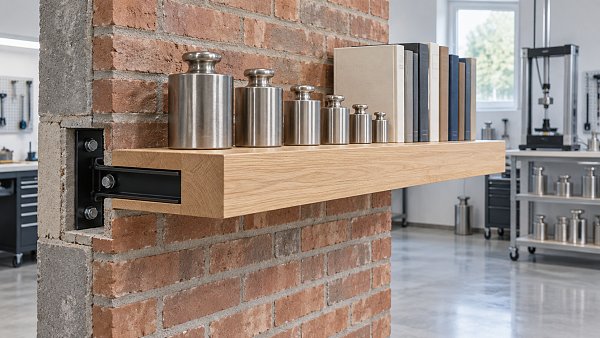
 Home DecorHow to compare floating wall shelves suppliers for consistent load capacityFloating wall shelves supplier comparison guide: evaluate load capacity, brackets, wall fixings, testing, and production consistency before you buy.Interior Sourcing LeadSep 23, 2026