Industry News
Curation by industry experts
Hot Articles
Popular Tags
How to Choose Architectural Lighting Fixtures for Retail Spaces
How to Choose Architectural Lighting Fixtures for Retail Spaces
Selecting the right architectural lighting fixtures for retail spaces is a strategic decision affecting customer experience, brand perception, energy performance, and project ROI.
Lighting choices must balance aesthetics, compliance, durability, installation efficiency, and long-term maintenance across stores, showrooms, supermarkets, boutiques, and mixed-use commercial environments.
This guide explains how to specify architectural lighting fixtures that support visual merchandising, technical requirements, and consistent value across every retail environment.
What Are Architectural Lighting Fixtures in Retail Design?
Architectural lighting fixtures are integrated lighting products designed to enhance space, structure, merchandise, and visual comfort, rather than simply provide illumination.
In retail spaces, they include track lights, recessed downlights, linear systems, wall washers, pendant lights, cove lighting, and display-specific luminaires.
Unlike decorative lamps, architectural lighting fixtures are selected for beam control, color quality, glare management, installation method, and system compatibility.
They shape how products appear, how customers move, and how a brand feels at first glance.
A premium fashion store may need narrow-beam accent lighting, while a supermarket may require uniform, efficient linear illumination.
A furniture showroom may combine wall washing, warm ambient lighting, and adjustable spotlights to create lifestyle scenes.
Good architectural lighting fixtures should support both the commercial story and the physical architecture of the space.
How Do Architectural Lighting Fixtures Influence Retail Performance?
Retail lighting directly affects visibility, dwell time, product perception, and navigation.
Well-planned architectural lighting fixtures help highlight priority merchandise, guide movement, and create a clear visual hierarchy.
Bright, flat lighting may make a store look functional, but it can reduce emotional engagement.
Layered lighting creates contrast, depth, and focus, helping customers understand which products deserve attention.
For apparel, high color rendering is essential because fabric shades must look accurate under store lighting.
For jewelry, small beam angles and controlled sparkle can make products appear more refined and valuable.
For grocery displays, architectural lighting fixtures must enhance freshness without causing heat damage or color distortion.
Lighting also influences energy costs, maintenance planning, and future store adaptability.
Efficient LED architectural lighting fixtures can reduce operating expenses while maintaining strong visual impact.
The best result comes from matching fixture performance to retail strategy, not choosing fixtures by appearance alone.
Which Technical Factors Matter Most When Choosing Fixtures?
Technical specifications determine whether architectural lighting fixtures will perform reliably after installation.
A product that looks suitable in a catalog may fail if beam spread, output, or glare control is mismatched.
Lumen Output and Illuminance
Lumen output shows total light produced, while illuminance measures light reaching a surface.
Retail aisles, checkout zones, fitting rooms, windows, and product displays each require different lighting levels.
Architectural lighting fixtures should be specified according to task needs, ceiling height, surface reflectance, and merchandise layout.
Color Rendering and Color Temperature
Color rendering index, often listed as CRI, measures how accurately a light source shows colors.
Many retail projects require CRI 90 or higher, especially for apparel, cosmetics, food, furniture, and luxury goods.
Color temperature affects atmosphere. Warm tones feel relaxed, while cooler tones feel crisp, clean, and efficient.
Beam Angle and Glare Control
Beam angle controls focus. Narrow beams suit accents, while wide beams serve general illumination.
Glare control is equally important because uncomfortable brightness can make customers leave a space faster.
Quality architectural lighting fixtures use reflectors, lenses, baffles, louvers, or deep trims to reduce direct glare.
Driver Quality and Dimming Compatibility
Drivers influence flicker, dimming smoothness, product life, and electrical stability.
For smart commercial lighting, confirm compatibility with DALI, 0-10V, phase dimming, Bluetooth mesh, or other control systems.
Architectural lighting fixtures should be tested as part of a complete control system before large-scale rollout.
How Should Fixtures Be Matched to Different Retail Zones?
Retail spaces are not visually uniform. Each zone has a different purpose and lighting requirement.
The most effective architectural lighting fixtures are assigned by zone, customer behavior, and merchandise value.
- Storefronts need high-impact lighting that attracts attention from outside.
- Entrances need comfortable brightness transitions from exterior to interior.
- Feature displays need accent lighting with strong beam control.
- Aisles need uniform light for easy browsing and safe movement.
- Checkout areas need flattering but practical task lighting.
- Fitting rooms need vertical illumination and excellent color quality.
Track-mounted architectural lighting fixtures are useful where merchandise changes frequently.
Recessed downlights work well for cleaner ceilings and controlled ambient lighting.
Linear fixtures can simplify large retail spaces, especially in supermarkets, warehouses, pharmacies, and electronics stores.
Wall washers improve vertical brightness, helping shelves, graphics, and brand walls appear more prominent.
The goal is not to use every fixture type, but to use each lighting layer with purpose.
What Compliance, Safety, and Sustainability Issues Should Be Checked?
Architectural lighting fixtures must meet local electrical, fire, and building requirements before specification is approved.
Certification requirements vary by region, but common references include CE, UL, ETL, RoHS, REACH, UKCA, and EN standards.
Emergency lighting, exit routes, damp locations, and food display areas may require additional compliance checks.
Thermal performance is another safety factor. Poor heat dissipation can shorten LED life and increase failure rates.
Sustainability should be reviewed beyond energy efficiency claims.
Check replaceable drivers, recyclable materials, low-mercury design, packaging impact, and supplier documentation.
High-quality architectural lighting fixtures often support longer service cycles, reducing waste and maintenance visits.
Smart controls can further reduce energy use through daylight harvesting, occupancy sensing, scheduling, and scene setting.
For multi-site retail upgrades, standardized compliance documentation is essential for faster approval and installation.
How Can Cost, Installation, and Maintenance Be Evaluated?
Initial price is only one part of the cost of architectural lighting fixtures.
Total cost should include energy consumption, installation labor, replacement parts, control integration, downtime, and maintenance access.
A cheaper fixture may cost more if it requires frequent replacement or special installation support.
Before approval, compare fixture lifespan, warranty terms, spare part availability, and driver replacement procedures.
Installation efficiency matters during retail rollouts, where store downtime can directly affect revenue.
Modular architectural lighting fixtures can reduce installation time, simplify future changes, and improve consistency across locations.
Maintenance teams benefit from standardized trims, drivers, mounting systems, and control interfaces.
A practical lighting specification should define approved alternates, testing requirements, and replacement procedures.
What Mistakes Should Be Avoided When Specifying Retail Lighting?
One common mistake is selecting architectural lighting fixtures after interiors are already finalized.
Lighting should be coordinated early with ceiling plans, display systems, electrical layouts, and brand guidelines.
Another mistake is relying only on wattage. Wattage shows energy use, not lighting quality.
Beam distribution, glare control, color rendering, and mounting height are usually more important.
A third risk is over-lighting. Excessive brightness can increase costs and flatten the retail atmosphere.
Balanced contrast often creates stronger visual impact than uniform high illumination.
Inconsistent product batches can also create problems across multiple locations.
Specify binning tolerance, color consistency, fixture finish, and driver model before production or procurement.
Finally, avoid ignoring control systems until the end of the project.
Architectural lighting fixtures should be selected with controls, commissioning, and user operation in mind.
FAQ: Quick Answers About Architectural Lighting Fixtures
Conclusion: Build a Practical Fixture Selection Process
Choosing architectural lighting fixtures for retail spaces requires more than comparing catalogs or unit prices.
The best selections align visual merchandising, energy targets, safety standards, installation realities, and long-term maintenance needs.
Start with the retail concept, then map each zone to required brightness, beam control, color quality, and fixture type.
Review compliance documents, test samples, confirm control compatibility, and evaluate total lifecycle cost.
For consistent results, develop a specification checklist before final approval.
Well-chosen architectural lighting fixtures can improve the store experience, protect operational budgets, and strengthen brand presentation across every location.
Recommended News
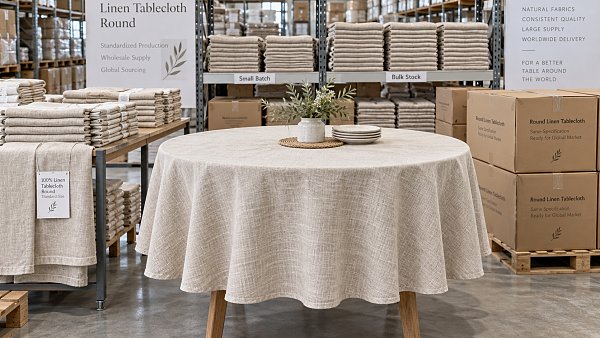
 Home DecorHow order size affects wholesale prices for round linen tableclothsBuying round linen tablecloths wholesale? Discover how order size, freight, and inventory costs affect pricing—and choose the right quantity to maximize real savings.Interior Sourcing LeadOct 14, 2026
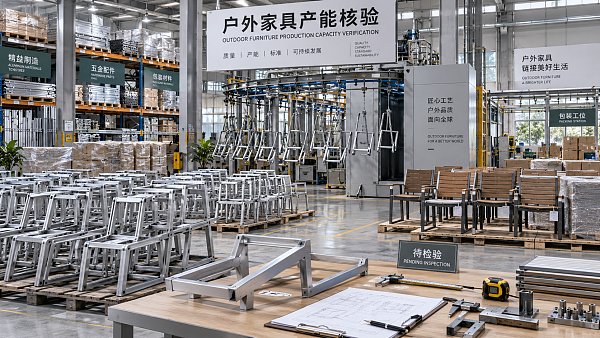
 Outdoor FurnitureHow to verify outdoor furniture manufacturers' production capacityCan outdoor furniture manufacturers deliver on time? Learn how to verify production capacity, uncover bottlenecks, and validate supplier commitments before placing your next order.Interior Sourcing LeadOct 13, 2026
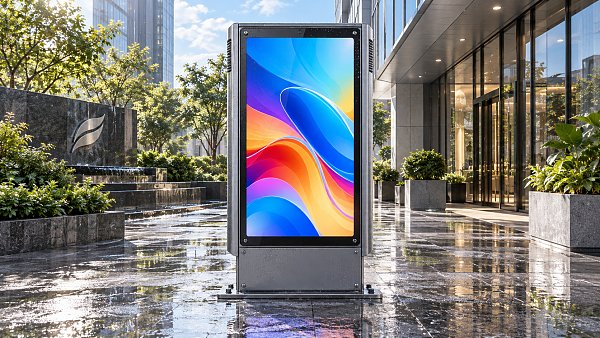
 Commercial DisplaysWhat makes an outdoor digital signage display manufacturer reliable?Discover how to choose a reliable outdoor digital signage display manufacturer with proven weather protection, quality control, smart visibility, and responsive after-sales support.Commercial Tech EditorOct 12, 2026
 Garment MfgWhen do bulk embroidered hoodies offer better value than printed ones?Bulk embroidered hoodies deliver lasting value for uniforms and premium branding. Compare durability, design, comfort, and cost to choose the right decoration.Textile Industry AnalystOct 11, 2026