Industry News
Curation by industry experts
Hot Articles
Popular Tags
Biodegradable Plastic Bags for Supermarkets: Cost vs Compliance in 2026
In 2026, biodegradable plastic bags for supermarkets sit at the center of a harder commercial debate.
Sustainability still matters, but cost pressure and legal exposure now shape final decisions more directly.
A low unit price can quickly lose value if material claims fail audits, labeling rules change, or disposal expectations are misunderstood.
That is why biodegradable plastic bags for supermarkets must be evaluated through both financial and compliance lenses.
Why 2026 feels different for supermarket bag decisions
The market has moved beyond broad green messaging.
Retail packaging choices now affect reporting, customer trust, waste partnerships, and cross-border sourcing reliability.
Many regions have tightened rules around compostability claims, bio-based content declarations, and end-of-life communication.
At the same time, resin volatility and freight risk continue to reshape total landed cost.
For this reason, biodegradable plastic bags for supermarkets are no longer a simple substitution for conventional checkout bags.
The main trend signal
The strongest signal in 2026 is convergence.
Cost control, packaging law, ESG disclosure, and consumer scrutiny are now converging into one approval process.
That shift favors documented suppliers over simply cheap offers.
What is driving demand for biodegradable plastic bags for supermarkets
Several forces are pushing this category forward, but not all of them support the same material solution.
A material term that often causes confusion
Biodegradable does not always mean compostable, and compostable does not always mean suitable for every supermarket application.
Misunderstanding this difference remains one of the biggest hidden risks when buying biodegradable plastic bags for supermarkets.
Where cost pressure appears stronger than expected
The first quote rarely shows the full picture.
Biodegradable plastic bags for supermarkets can carry extra cost through downgauging limits, print restrictions, storage sensitivity, and shorter shelf windows.
In some climates, moisture and temperature management also influence inventory loss.
- Higher unit price versus standard polyethylene alternatives
- More frequent testing or documentation reviews
- Potential need for revised staff and customer disposal instructions
- Operational waste if bags tear, stick, or degrade in poor storage
- Cost of changing artwork to meet legal claim language
The hidden-cost mistake
A low-cost bag that fails local claim standards is not cheap.
It may create relabeling costs, legal review expenses, and inventory write-offs that exceed any initial savings.
Why compliance has become the deciding factor
In 2026, compliance is no longer a supporting checklist.
It determines whether biodegradable plastic bags for supermarkets can be marketed, distributed, and defended under scrutiny.
Authorities, retailers, and platform auditors increasingly ask for evidence instead of broad sustainability statements.
How these changes affect operations beyond packaging
The impact extends well beyond the packaging line item.
Biodegradable plastic bags for supermarkets influence sourcing strategy, legal review, inventory rotation, and store communication.
They can also affect sustainability reporting because evidence quality now matters as much as recycled or renewable positioning.
- Sourcing teams need stronger supplier documentation and backup capacity.
- Quality teams need clear acceptance criteria for strength, seal integrity, and storage behavior.
- Compliance teams need market-specific claim review before launch.
- Commercial teams need messaging that explains disposal accurately.
The reputation angle
A credible bag program can support trust.
An unclear one can damage trust faster than a conventional bag with honest labeling.
What deserves the closest attention before approval
A defensible decision usually comes from disciplined comparison, not from environmental claims alone.
- Confirm whether biodegradable plastic bags for supermarkets meet the exact regional standards required.
- Check if the disposal route stated on the bag matches local waste handling reality.
- Review bag performance under actual load, temperature, and storage conditions.
- Validate print claims, logos, and certifications with current source documents.
- Compare total landed cost, not just ex-factory price.
- Assess supplier stability, lot traceability, and response speed during audits.
- Plan a transition path if rules tighten again after rollout.
A practical way to compare options in 2026
The best approach is a weighted evaluation model.
This reduces the chance that one attractive quote overrides material risk.
The likely direction for biodegradable plastic bags for supermarkets
Demand will likely continue, but the category will become more segmented.
Some markets will reward verified compostable formats.
Others will prioritize reusable models, recycled content, or stricter claim controls instead.
This means biodegradable plastic bags for supermarkets should be chosen by use case, jurisdiction, and disposal infrastructure, not by trend alone.
What to do next for a lower-risk decision
Start with a current map of legal requirements across target markets.
Then compare supplier evidence, bag performance data, and full landed cost side by side.
Shortlist only the options that survive all three filters.
For organizations expanding internationally, GSR can support this process with market intelligence, supplier context, and sector-focused sourcing insight.
In 2026, the smartest biodegradable plastic bags for supermarkets are not simply the cheapest or greenest.
They are the ones that remain affordable, compliant, and defensible after scrutiny.
Recommended News
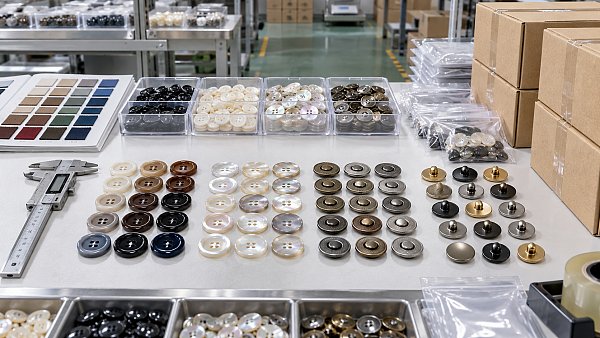
 Garment MfgWhat drives unit costs when buying garment buttons wholesale?Garment buttons wholesale costs depend on material, tooling, finish, MOQ, quality, packing, and freight. Learn how to compare true landed costs and source reliably.Textile Industry AnalystOct 06, 2026
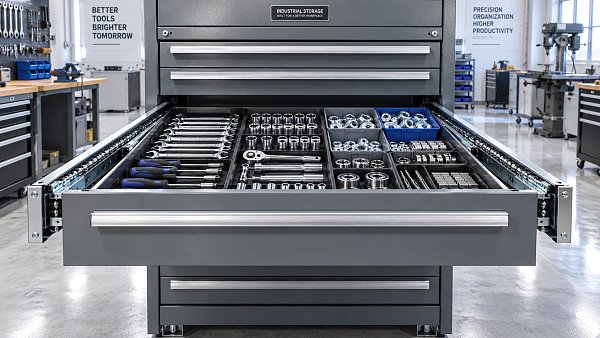
 Building HardwareWhat load rating should you specify for wholesale ball bearing slides?Wholesale ball bearing slides: learn how to specify the right load rating for drawer weight, extension, mounting, and durability. Source smarter and reduce failures.Tooling & Hardware LeadOct 05, 2026
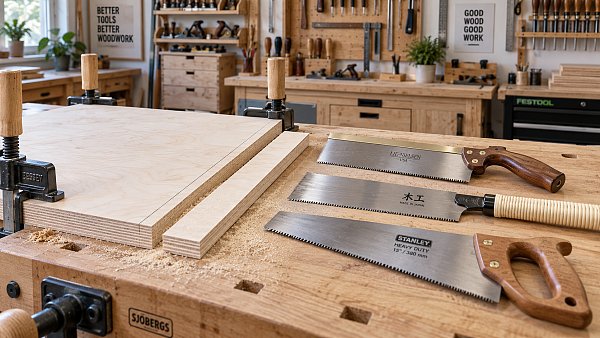
 Hand & Power ToolsHow to choose a hand saw for woodworking without tear-outHand saw for woodworking guide: choose the right tooth pattern, blade, and technique to achieve clean, precise cuts with less tear-out. Explore practical buying tips.Tooling & Hardware LeadOct 04, 2026
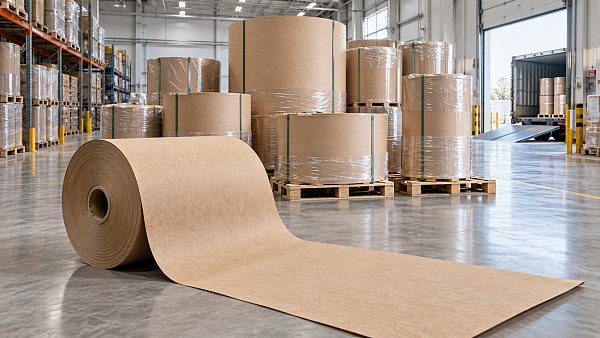
 Eco PackagingWhat affects the price of kraft paper rolls bought wholesale?Kraft paper rolls wholesale pricing depends on grade, basis weight, roll size, order volume, freight, and certifications. Learn how to compare landed costs and choose reliable value.Packaging Supply ExpertOct 03, 2026