Industry News
Curation by industry experts
Hot Articles
Popular Tags
Blister Packaging vs. Clamshell Packaging: Which Ensures Better Product Protection?
In today’s competitive packaging landscape, choosing between blister packaging and clamshell packaging is more than a design decision—it’s a matter of product protection, sustainability, and cost efficiency. From corrugated carton boxes for logistics to ergonomic office chairs and ceramic floor tiles on retail shelves, the right packaging can define a brand’s reliability and appeal. Global Supply Review (GSR) explores how these packaging formats perform in durability, user convenience, and environmental impact to help procurement teams and manufacturers make smarter, data-driven sourcing decisions.
Understanding the Structure and Application of Blister and Clamshell Packaging
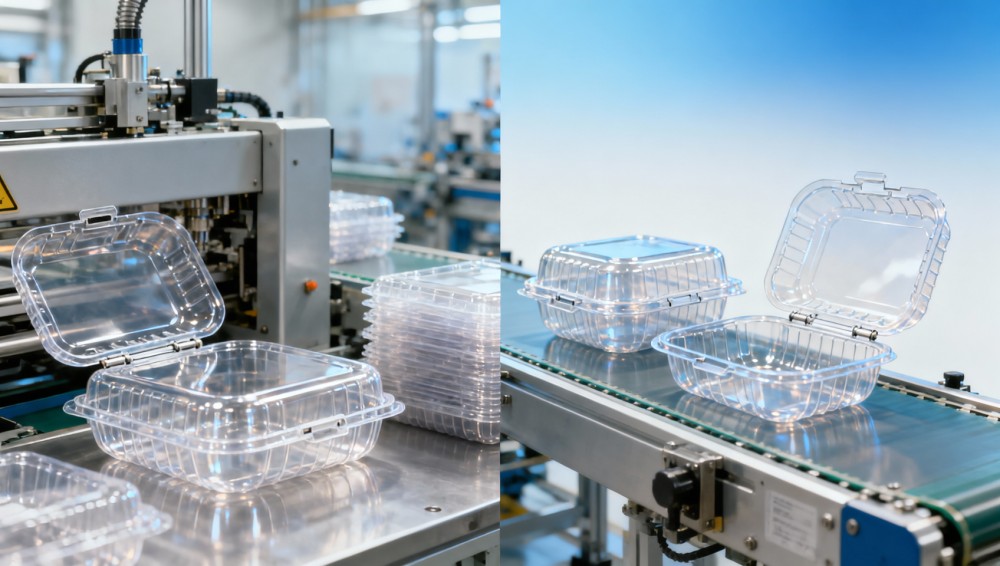
Blister packaging typically consists of a thermoformed plastic cavity sealed to a printed backing card, often used for consumer goods like batteries, pharmaceuticals, and hardware. In contrast, clamshell packaging features two hinged plastic halves that close to protect the product entirely, making it suitable for electronics, cosmetics, and tool kits. The difference in sealing methods—heat-sealed backing versus interlocking shell—directly influences product security, material cost, and recyclability.
In the global packaging and printing sector, blister packs are favored for lightweight products under 500 grams, while clamshells handle heavier items up to 2–3 kilograms. For procurement managers, understanding this load threshold is essential when determining packaging performance under distribution stress tests, often rated between 10–25 newtons of pressure resistance.
Application-wise, blister cards are common in high-volume, fast-moving retail products, where visual merchandising and cost per unit (typically $0.02–$0.06) are primary factors. Clamshell formats, costing between $0.08–$0.20 each, are more prevalent in premium or fragile goods. This distinction shapes both packaging strategy and supply chain decision-making, particularly for exporters targeting North American or EU retail standards.
From a design standpoint, the sealing processes—such as RF, heat, or pressure sealing—take 3–5 seconds per unit for blister packs and 7–10 seconds for clamshells, affecting production throughput. Packaging engineers often consider energy usage per sealing cycle (0.1–0.3 kWh) when comparing sustainability metrics.
Typical Materials Used
- PVC (Polyvinyl Chloride): Widely used for both types due to clarity and formability, though less eco-friendly.
- PET (Polyethylene Terephthalate): Recyclable and compliant with most ESG packaging initiatives.
- RPET (Recycled PET): Offers up to 50% lower carbon footprint, increasingly used in GSR-endorsed sustainable sourcing models.
Comparison of Protective Performance and Cost Implications
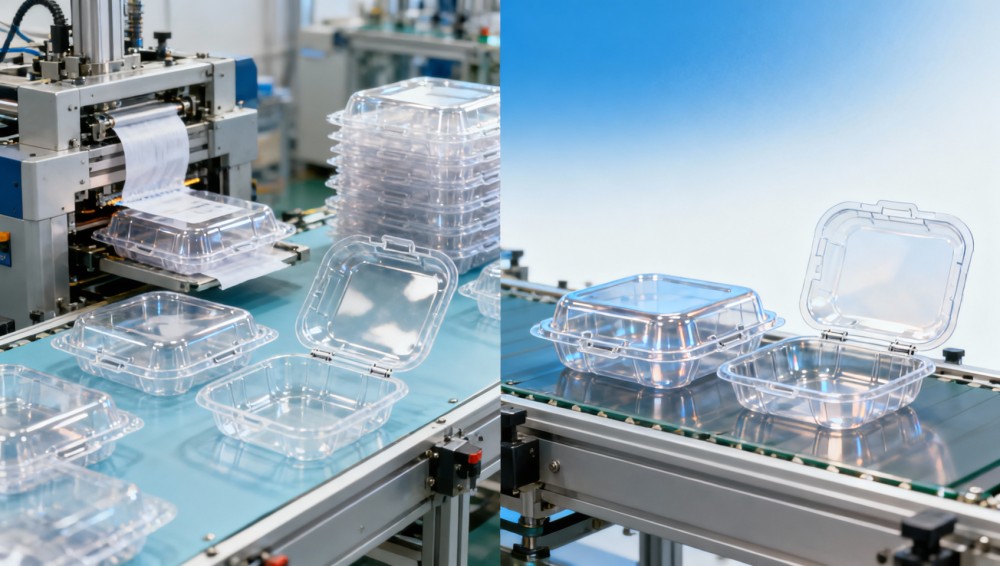
Assessing performance between blister and clamshell packaging involves evaluating parameters such as drop impact resistance, puncture strength, seal integrity, and tamper evidence. For quality control teams, quantitative testing data—such as a 15–30% higher edge crush resistance in clamshell formats—can inform the decision.
The following table compares typical properties relevant to procurement and packaging engineers deciding between the two systems under industrial packaging programs:
While clamshell packaging provides around 30–40% better structural protection, the higher material and sealing costs must be justified by the product’s retail value or fragility. Procurement teams often perform total-cost-of-ownership (TCO) analyses spanning tooling, production cycle, and logistics cost per 1,000 units to reach a balanced decision.
Additionally, environmental and regulatory compliance—such as meeting ASTM D5276 or ISO 2233 standards on conditioning and drop testing—remains critical. The average compliance audit cycle occurs every 12–18 months for large packaging suppliers, ensuring ongoing quality control consistency.
Sustainability, ESG Compliance, and Supply Chain Considerations
With rising global demand for eco-friendly packaging, particularly under corporate ESG frameworks, both blister and clamshell designs must evolve toward recyclability and reduced carbon output. PET and RPET materials can reduce greenhouse gas emissions by approximately 25–45% compared to PVC. Large procurement programs typically aim for 60% or higher recyclable content by 2025, aligning with EU directives on single-use plastics.
In practical sourcing, lead times average 10–15 days for blister packaging production and 15–25 days for clamshells due to the more complex forming and hinge processes. Suppliers with integrated printing and forming capabilities shorten total turnaround by up to 20%, an important KPI in lean supply chains.
Global Supply Review (GSR) advises procurement professionals to evaluate suppliers across five sustainability metrics: recycled content percentage, light-weighting efficiency (grams per unit), energy consumption per cycle, VOC level in inks, and end-of-life recyclability rating. The following table demonstrates a representative evaluation model:
The data underscores that sustainable clamshell designs offer a 10–20% advantage in closed-loop recyclability programs, though blister packs remain dominant in regions prioritizing cost over lifecycle impact. For multi-region exporters, this balance requires flexible tooling compatible with both PET and RPET sheets within 0.2–0.8mm thickness ranges.
Procurement Guide: Choosing the Right Packaging Format for Your Product
Selecting between blister and clamshell packaging should follow a structured evaluation framework combining physical properties, branding demands, cost profiles, and distribution conditions. Based on GSR’s sourcing intelligence framework, the process can be summarized into four steps:
- Define product protection requirements (weight category, breakage sensitivity, exposure to humidity or UV).
- Assess shelf presentation priorities and retail requirements, considering barcode positioning and visibility ratio above 70%.
- Estimate production and logistics costs per 1,000 units, including transportation volume (typically 0.6–1.2 m³ per batch).
- Verify supplier sustainability performance through ESG audits every 12 months, focusing on emissions per kg of packaging.
For example, a consumer electronics brand sourcing globally may choose blister packs for accessories under 200 grams but opt for clamshells on items exceeding 1 kilogram. Similarly, tool manufacturers targeting professional distributors often favor rigid clamshells due to their long lifecycle and retail reusability.
Procurement personnel are also advised to check each supplier’s compliance with ASTM F88 (seal strength testing) and ISO 9001 quality management standards. This ensures verifiable protection performance and consistent packaging thickness control within ±0.05mm tolerance.
Common Procurement Mistakes
- Underestimating shipping stress levels during multi-modal transport exceeding 3,000 km, leading to deformation risk.
- Ignoring heat aging cycles (40–60°C for 72 hours) in quality tests, especially for PVC-based materials.
- Failing to consider the compatibility of ink adhesion between packaging film and printed card layer.
FAQ: Key Questions about Blister and Clamshell Packaging
How long is the typical production cycle for each packaging type?
Blister packaging generally takes 7–10 working days from tooling to final delivery for medium-volume orders (10,000–50,000 units). Clamshell packaging requires 12–18 working days due to tooling setup and hinge molding calibration. Urgent orders can be accelerated by 15–20% under OEM fast-track programs.
Which packaging offers better visibility for retail consumers?
Blister packaging ensures up to 90% product visibility with its transparent film and printed backing, ideal for visually driven FMCG products. Clamshells, while offering slightly lower transparency (around 75–80%), provide 360° protection that appeals to technical or premium segments.
Are both types equally recyclable?
Not entirely. Blister packs often mix materials—plastic and paper—making separation challenging. In contrast, mono-material PET clamshells can reach recycling efficiency rates above 80% in closed systems. GSR recommends specifying mono-material sheet thickness between 0.3–0.6mm for optimal recyclability outcomes.
Why Partner with Global Supply Review (GSR) for Sustainable Packaging Intelligence
Global Supply Review (GSR) provides packaging professionals and sourcing leaders with high-fidelity market intelligence on materials, machinery, and global suppliers. Our database aggregates over 2,000 verified manufacturers and 5 industry-standard certifications, giving buyers a data-driven approach to compare costs, compliance, and ESG performance.
Through GSR’s curated intelligence, you gain access to parametric insights on packaging formats, regional cost indices, and performance benchmarking across more than 30 light manufacturing categories. Partnering with GSR allows procurement directors to shorten decision cycles by 25–40% and ensure product compliance with regional environmental directives.
Contact our strategic sourcing specialists today to discuss:
- Customized blister or clamshell packaging options tailored to weight class and retail channel.
- OEM/ODM tooling parameters and material substitution for ESG compliance.
- Sample testing protocols and typical turnaround times of 10–14 days.
- Guidance on certification alignment (ASTM, ISO, and RoHS-compliant materials).
Empower your next packaging decision with GSR’s strategic intelligence framework—transforming sourcing data into measurable protection, sustainability, and brand value.
Recommended News
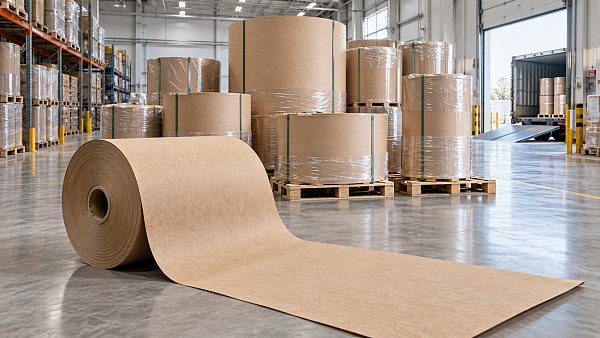
 Eco PackagingWhat affects the price of kraft paper rolls bought wholesale?Kraft paper rolls wholesale pricing depends on grade, basis weight, roll size, order volume, freight, and certifications. Learn how to compare landed costs and choose reliable value.Packaging Supply ExpertOct 03, 2026
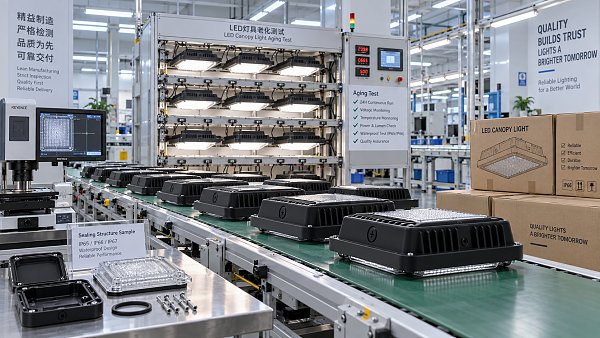
 Commercial LEDHow to evaluate a canopy lights factory before placing a bulk orderCanopy lights factory evaluation guide: verify specifications, compliance, quality control, capacity, and after-sales support before placing a bulk order.Commercial Tech EditorOct 02, 2026
 Commercial LEDHow to choose lighting systems that meet workplace safety needsLighting systems for workplace safety: learn how to control glare, improve visibility, meet environmental demands, and protect workers with reliable, compliant lighting choices.Commercial Tech EditorOct 01, 2026
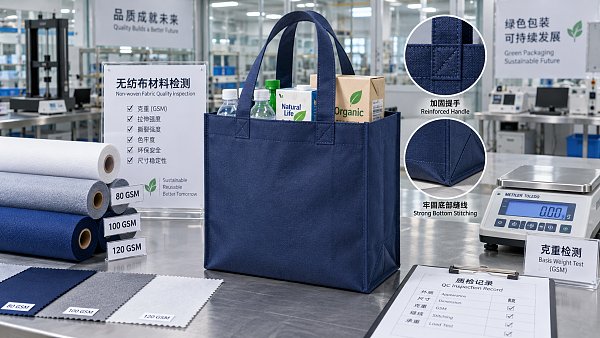
 Fabrics & YarnsWhat fabric weight works best for reusable non woven fabric bags?Non woven fabric for bags: discover the best GSM range for durability, load capacity, print quality, and cost-effective reusable bag sourcing.Textile Industry AnalystSep 30, 2026