Industry News
Curation by industry experts
Hot Articles
Popular Tags
Digital Fabric Printing Process Explained: Steps, Defects, and Controls
Understanding the digital fabric printing process is essential for stable color, sharp imagery, and repeatable production. When the workflow is controlled step by step, it becomes easier to reduce waste, avoid rework, and keep output consistent across cotton, polyester, blends, and treated textiles.
Why a checklist matters in the digital fabric printing process
A textile print line includes pretreatment, file control, ink behavior, machine settings, fixation, washing, and inspection. Small variation in one stage can create visible defects later.
A checklist makes the digital fabric printing process easier to control because each operator verifies measurable conditions before moving to the next step.
This approach is especially useful in mixed production, where different fibers, print heads, and ink chemistries run on the same schedule.
Core checklist for digital fabric printing process control
- Confirm fabric identity, weight, weave, moisture level, and surface cleanliness before loading, because an incorrect substrate can distort ink absorption, fixation behavior, and final color yield.
- Prepare the fabric with the correct pretreatment recipe, pickup rate, drying condition, and storage time, since pretreatment strongly affects dot spread, outline sharpness, and wash fastness.
- Check artwork resolution, repeat size, color profile, and RIP settings before printing, so the file matches machine capability and avoids banding, jagged edges, or tone breaks.
- Inspect print heads, nozzle status, capping station, and carriage movement at startup, because even minor nozzle loss can produce lines, missing color, or blurred image areas.
- Match ink type to fiber class and fixation method, whether reactive, acid, disperse, pigment, or sublimation, to keep the digital fabric printing process chemically stable and predictable.
- Control fabric tension, feed alignment, belt condition, and vacuum support during printing, since unstable transport often causes image skew, double prints, or registration shift.
- Monitor temperature, humidity, and dust levels around the printer, because the environment directly influences droplet formation, static buildup, drying speed, and nozzle reliability.
- Verify fixation conditions such as steaming time, curing temperature, or heat transfer dwell time, as under-fixation weakens color while overexposure may damage handle and brightness.
- Wash, soap, and dry printed fabric using controlled parameters when required, so unfixed dye, thickener residue, and chemical carryover do not reduce fastness or shade clarity.
- Inspect color accuracy, hand feel, crocking, dimensional change, and visible defects against a standard, then record the data for future runs and process correction.
Step-by-step explanation of the digital fabric printing process
1. Fabric preparation
The process starts with fabric readiness. Grease, lint, uneven absorbency, or excessive moisture can disrupt ink laydown and create irregular color patches.
Pretreatment is often the most decisive step in the digital fabric printing process. It controls penetration, edge definition, and dye fixation efficiency.
2. Digital file and color setup
File preparation includes resolution check, pattern repeat accuracy, and profile selection. Poor RIP settings can cause visible grain, weak solids, or broken gradients.
Color management should link the fabric, ink, pretreatment, and fixation method. Without this chain, lab approval may not match bulk production.
3. Printing and droplet placement
During printing, head height, pass mode, carriage speed, and feed calibration determine how cleanly droplets land on the textile surface.
Accurate mechanical movement is critical in the digital fabric printing process, especially for fine lines, small text, and high-contrast patterns.
4. Fixation and post-treatment
Reactive and acid inks usually require steaming and washing. Pigment inks often need curing. Sublimation requires controlled heat transfer onto polyester surfaces.
Post-treatment removes residues and stabilizes color performance. This stage affects rubbing fastness, wash fastness, and final fabric handle.
Common defects in the digital fabric printing process
Banding
Banding appears as horizontal lines across the print. Typical causes include clogged nozzles, poor pass calibration, unstable feed movement, or inconsistent carriage speed.
Bleeding and fuzzy outlines
Edges spread when pretreatment is excessive, fabric absorbency is uncontrolled, or ink volume is too high for the substrate. Fine details then lose definition.
Color deviation
Shade mismatch often comes from profile errors, batch variation in pretreatment, environmental fluctuation, or incorrect fixation. The defect may appear only after washing.
Ghosting and double images
These defects usually result from fabric movement, unstable belt adhesion, static attraction, or misaligned media transport during the digital fabric printing process.
Poor fastness
When prints fade, crock, or wash out, the root cause is often incomplete fixation, inadequate washing, or mismatch between ink chemistry and fiber type.
Application notes for different fabric and production scenarios
Cotton and viscose with reactive inks
These fabrics need balanced pretreatment and controlled steaming. Excess alkali or uneven pickup can create harsh handle, bleeding, or patchy fixation.
Washing is not optional here. Residual chemicals and unfixed dye can damage both color clarity and fastness test results.
Polyester with sublimation or disperse systems
Polyester printing depends heavily on heat control. Uneven temperature or dwell time can cause weak transfer, migration issues, or inconsistent depth across the width.
In this digital fabric printing process route, tension control also matters because stretch distortion can alter pattern scale and alignment.
Pigment printing for short runs
Pigment systems offer flexibility and fewer wet processes. They suit sampling, customized designs, and broad fabric compatibility across diversified production environments.
However, curing must be tightly controlled. Under-curing reduces rubbing fastness, while over-curing may stiffen the fabric and flatten color brilliance.
Often-missed risks and control gaps
Ignoring fabric conditioning: Fabric stored in a dry or humid room may behave differently from the approved sample, even when the file and machine settings remain unchanged.
Skipping nozzle checks: Starting production without a nozzle test can turn a minor maintenance issue into a full-roll defect with avoidable reprint cost.
Using one profile for all lots: The same profile may not suit every fabric batch, especially when whiteness, absorbency, or finish varies.
Overlooking post-process verification: A print that looks correct before fixation may fail after steaming, washing, or curing if controls are incomplete.
Practical execution tips
- Create a start-of-shift sheet covering humidity, nozzle status, head cleaning, belt condition, and the current fabric lot number.
- Print a strike-off at the beginning of each order and after any change in pretreatment, profile, or fixation setting.
- Record defect type by roll position, not only by order number, to identify whether the problem is mechanical, chemical, or environmental.
- Separate approved standards for pre-fixation and post-fixation appearance, because the digital fabric printing process changes visually after finishing.
- Review waste trends weekly and link each defect to one corrective action, one owner, and one verification date.
Conclusion and next action
A reliable digital fabric printing process depends on disciplined control, not only advanced equipment. Fabric preparation, file setup, print stability, fixation, and inspection must work as one system.
Start with a simple checklist, measure each step, and review every defect against its likely root cause. That method improves consistency, protects color quality, and supports efficient textile production over time.
Recommended News
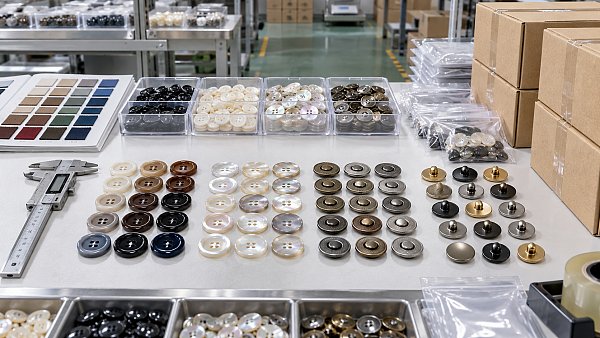
 Garment MfgWhat drives unit costs when buying garment buttons wholesale?Garment buttons wholesale costs depend on material, tooling, finish, MOQ, quality, packing, and freight. Learn how to compare true landed costs and source reliably.Textile Industry AnalystOct 06, 2026
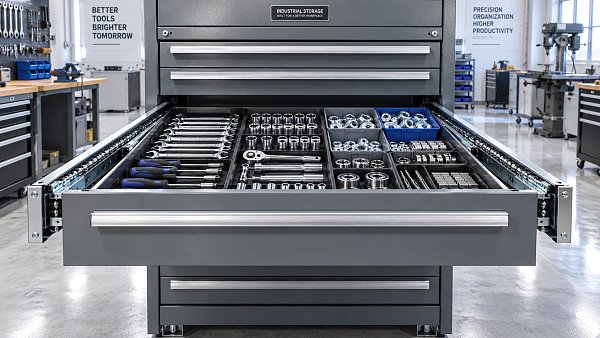
 Building HardwareWhat load rating should you specify for wholesale ball bearing slides?Wholesale ball bearing slides: learn how to specify the right load rating for drawer weight, extension, mounting, and durability. Source smarter and reduce failures.Tooling & Hardware LeadOct 05, 2026
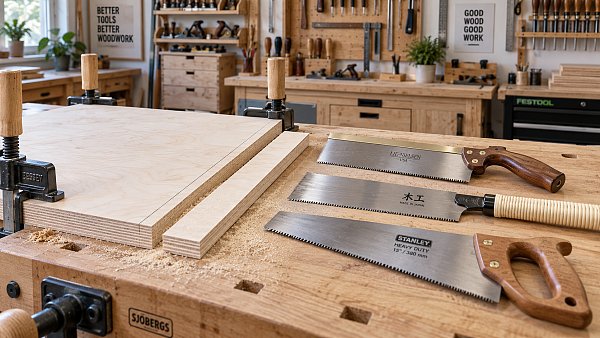
 Hand & Power ToolsHow to choose a hand saw for woodworking without tear-outHand saw for woodworking guide: choose the right tooth pattern, blade, and technique to achieve clean, precise cuts with less tear-out. Explore practical buying tips.Tooling & Hardware LeadOct 04, 2026
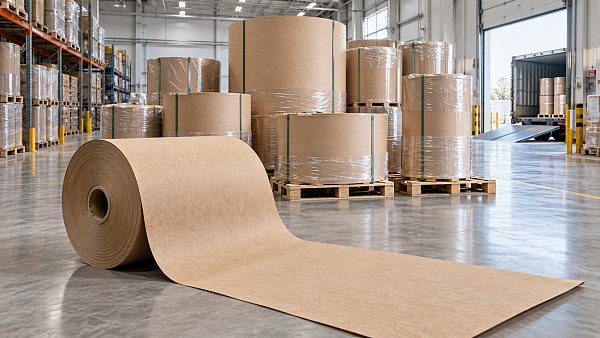
 Eco PackagingWhat affects the price of kraft paper rolls bought wholesale?Kraft paper rolls wholesale pricing depends on grade, basis weight, roll size, order volume, freight, and certifications. Learn how to compare landed costs and choose reliable value.Packaging Supply ExpertOct 03, 2026