Industry News
Curation by industry experts
Hot Articles
Popular Tags
China's Textile Industry to Lead 10 International Standards by 2028
Introduction
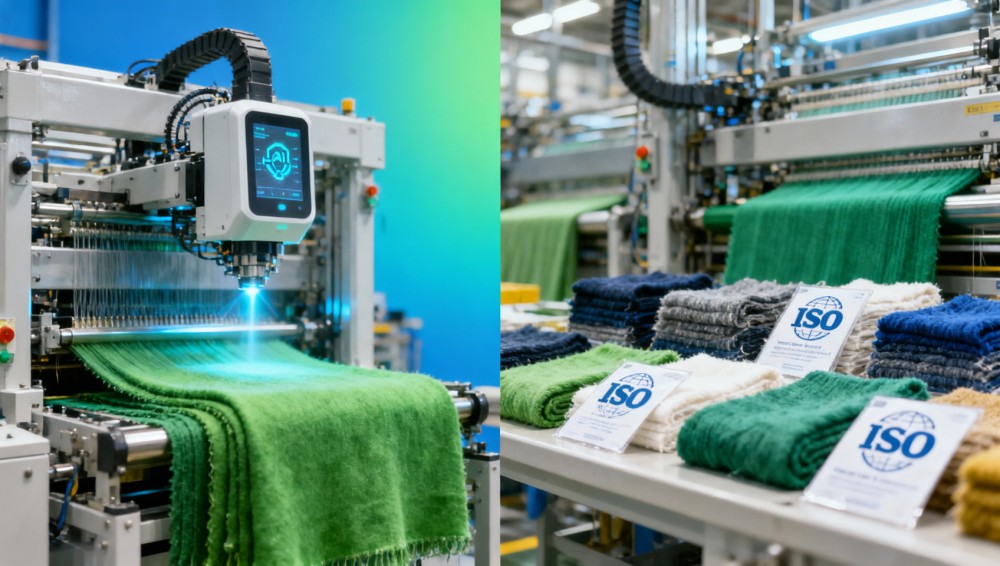
On March 31, 2026, China's Ministry of Industry and Information Technology (MIIT) and two other departments jointly issued the "Standard-Led Textile Industry Optimization and Upgrade Action Plan (2026-2028)." The plan aims to establish China's leadership in 10+ ISO/IEC international standards, covering green and low-carbon textiles, smart textiles, and health-focused fabrics for elderly care. This move signals China's growing influence in global textile standards, particularly in sustainability and technology, which overseas brands and retailers should closely monitor for supply chain adjustments.
Event Overview
The action plan outlines China's commitment to spearhead the development or revision of at least 10 international standards by 2028. Key focus areas include carbon footprint calculation, AI-based garment quality inspection, and functional fabrics for aging populations. The initiative aligns with global trends in sustainable procurement and technological integration in textiles.
Impact on Key Sub-Sectors
1. Overseas Brands and Retailers
Analysis shows that international buyers sourcing from China will need to reassess their supplier evaluation criteria. The plan's emphasis on carbon accounting and smart textiles suggests that compliance with upcoming Chinese-led standards may become a competitive advantage for suppliers.
2. Textile Manufacturers
From an industry perspective, domestic manufacturers specializing in eco-friendly materials or AI-driven production should prepare for certification processes. The standards could create new market opportunities for early adopters.
3. Supply Chain Service Providers
Logistics and testing firms may face increased demand for carbon footprint verification and smart textile quality control services as these standards gain international recognition.
Key Focus Areas and Recommended Actions
1. Monitor Standard Development Timelines
Companies should track the official rollout schedule for specific standards between 2026-2028, particularly those relevant to their product categories.
2. Assess Supply Chain Readiness
Brands with Chinese suppliers should evaluate current capabilities against the proposed standards in green manufacturing and digital quality control.
3. Engage in Early Adoption Programs
Manufacturers may benefit from participating in pilot projects for standards implementation, potentially gaining first-mover advantages.
Industry Observations
Current indications suggest this is more than a symbolic move. With China accounting for over 50% of global textile production, these standards could reshape international procurement practices. However, the actual impact will depend on implementation details and global acceptance, which remain to be seen.
Conclusion
This initiative marks China's strategic push to transition from quantity to quality leadership in textiles. While the full implications will unfold gradually, industry players should view this as a directional signal for future compliance requirements and market expectations in sustainable and tech-enhanced textiles.
Source Information
Primary Source: Joint announcement by MIIT and two other Chinese government departments on March 31, 2026. Ongoing monitoring required for specific standard formulations and international adoption rates.
Recommended News
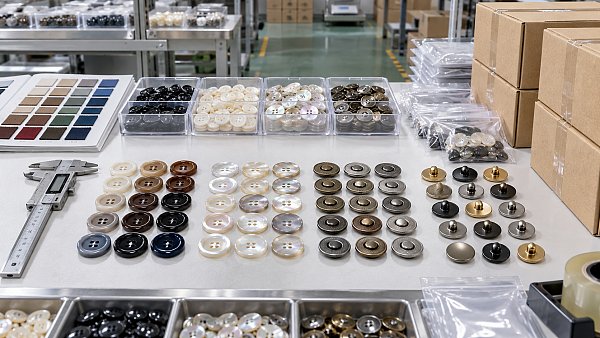
 Garment MfgWhat drives unit costs when buying garment buttons wholesale?Garment buttons wholesale costs depend on material, tooling, finish, MOQ, quality, packing, and freight. Learn how to compare true landed costs and source reliably.Textile Industry AnalystOct 06, 2026
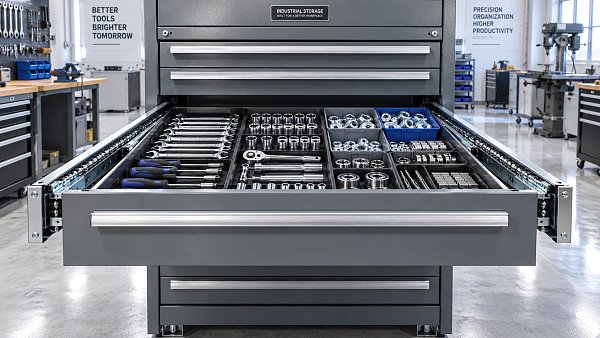
 Building HardwareWhat load rating should you specify for wholesale ball bearing slides?Wholesale ball bearing slides: learn how to specify the right load rating for drawer weight, extension, mounting, and durability. Source smarter and reduce failures.Tooling & Hardware LeadOct 05, 2026
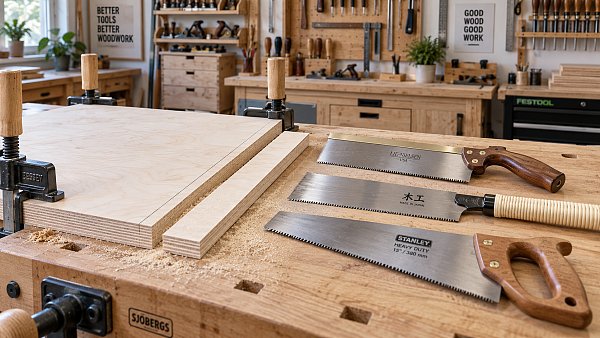
 Hand & Power ToolsHow to choose a hand saw for woodworking without tear-outHand saw for woodworking guide: choose the right tooth pattern, blade, and technique to achieve clean, precise cuts with less tear-out. Explore practical buying tips.Tooling & Hardware LeadOct 04, 2026
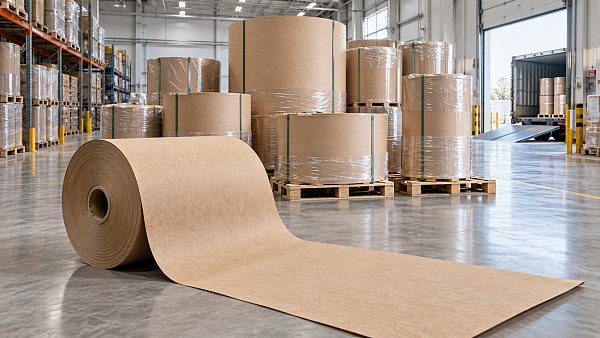
 Eco PackagingWhat affects the price of kraft paper rolls bought wholesale?Kraft paper rolls wholesale pricing depends on grade, basis weight, roll size, order volume, freight, and certifications. Learn how to compare landed costs and choose reliable value.Packaging Supply ExpertOct 03, 2026