Industry News
Curation by industry experts
Hot Articles
Popular Tags
EU Imposes Anti-Dumping Duties on Chinese Polyamide Yarn
EU Imposes Anti-Dumping Duties on Chinese Polyamide Yarn: Industry Impacts and Responses
Introduction
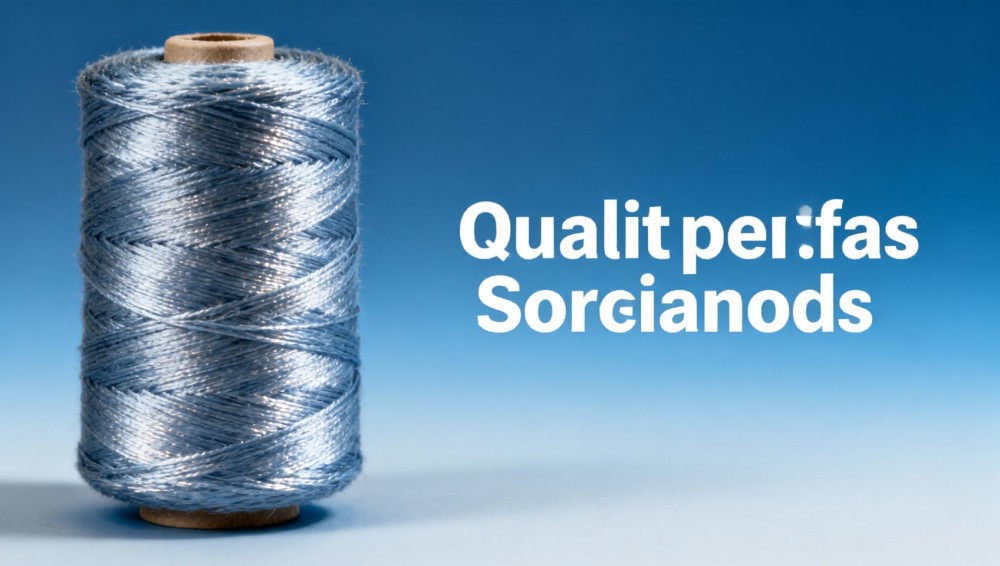
On March 28, 2026, the European Commission announced preliminary anti-dumping duties ranging from 18.2% to 32.7% on polyamide (nylon) yarn imported from China. This product is widely used in high-end sportswear, outdoor equipment, and automotive interior textiles. The decision immediately affects importers, manufacturers, and supply chain stakeholders who must now assess compliance costs and alternative sourcing strategies.
Event Overview
The European Commission published its preliminary ruling on March 27, 2026, with temporary tariffs taking effect the following day. The affected product—polyamide yarn—is a critical material for technical textiles. The duties apply to all imports originating from China, with rates varying by supplier.
Impacted Industries
1. Direct Importers and Traders
Importers face immediate cost increases of 18.2%–32.7% on existing orders. Contracts with EU buyers may require renegotiation to absorb or share tariff burdens.
2. Textile Manufacturers
Brands using Chinese-sourced polyamide yarn for sportswear or automotive textiles must recalibrate production costs. Delays are likely as suppliers seek alternative raw materials.
3. Supply Chain Services
Logistics and customs brokers need to verify suppliers’ origin documentation. Misclassified shipments could trigger penalties.
Key Actions for Businesses
1. Audit Compliance Documentation
Verify Chinese suppliers’ ability to provide certified origin and composition records. Non-compliant shipments risk rejection.
2. Evaluate Alternative Sourcing
Compare pricing from non-Chinese producers (e.g., Southeast Asia, Turkey) accounting for lead times and quality benchmarks.
3. Monitor Policy Updates
The provisional duties precede a final ruling (expected within 6 months). Track official communications for adjustments.
Industry Perspective
Analysis suggests this move reflects broader EU efforts to protect regional textile producers. While temporary, the tariffs could disrupt just-in-time supply chains. Companies with diversified sourcing will mitigate risks more effectively.
Conclusion
The duties signal heightened trade scrutiny but leave room for adaptation. Importers should treat this as a prompt to strengthen supply chain resilience, not an irreversible barrier.
Sources
- European Commission Anti-Dumping Notice (March 27, 2026)
- Pending: Final ruling timeline and potential exemptions
Recommended News
 Garment MfgWhat drives unit costs when buying garment buttons wholesale?Garment buttons wholesale costs depend on material, tooling, finish, MOQ, quality, packing, and freight. Learn how to compare true landed costs and source reliably.Textile Industry AnalystOct 06, 2026
 Building HardwareWhat load rating should you specify for wholesale ball bearing slides?Wholesale ball bearing slides: learn how to specify the right load rating for drawer weight, extension, mounting, and durability. Source smarter and reduce failures.Tooling & Hardware LeadOct 05, 2026
 Hand & Power ToolsHow to choose a hand saw for woodworking without tear-outHand saw for woodworking guide: choose the right tooth pattern, blade, and technique to achieve clean, precise cuts with less tear-out. Explore practical buying tips.Tooling & Hardware LeadOct 04, 2026
 Eco PackagingWhat affects the price of kraft paper rolls bought wholesale?Kraft paper rolls wholesale pricing depends on grade, basis weight, roll size, order volume, freight, and certifications. Learn how to compare landed costs and choose reliable value.Packaging Supply ExpertOct 03, 2026