Industry News
Curation by industry experts
Hot Articles
Popular Tags
Printed Elastic Bands: Common Print Failures and How to Improve Durability
Why do printed elastic bands fail even when the base elastic looks fine?
Printed elastic bands often pass basic stretch tests, yet the printed layer fails first. That mismatch creates complaints long before the band itself loses recovery.
In apparel, medical fastening, and safety wear, the print carries branding, size coding, warnings, or identification. Once it cracks, fades, or peels, usability and compliance can both be affected.
The root issue is simple. Elastic substrates move constantly, while many inks behave like a rigid surface coating. If elongation, curing, and surface preparation are misaligned, failure appears quickly.
This matters across global sourcing and quality systems. GSR regularly highlights that durable performance in light manufacturing depends on material behavior, process control, and traceable verification, not visual approval alone.
A printed elastic band should therefore be judged as a combined system. Yarn composition, weave density, pretreatment, ink chemistry, curing profile, and end-use exposure all need to work together.
Which print failures show up most often in printed elastic bands?
The most common failures are easy to recognize, but harder to diagnose correctly. Several defects can look similar at first glance.
A useful starting point is to separate surface appearance from true adhesion failure. That distinction saves time during root-cause review.
In actual production, cracking is the complaint seen most often. A printed elastic band may look perfect when flat, then fail after repeated extension during wear or handling.
Fading tends to become visible later. It usually appears after laundering, sweat exposure, sterilization cycles, or extended UV contact in outdoor or safety applications.
Is the problem coming from ink, elastic material, or the printing process?
Usually, it is not one thing. Printed elastic bands fail when one part of the system is specified in isolation.
Start with the substrate. Polyester, nylon, cotton blends, and rubber-based constructions all present different surface energies, absorbency, and stretch behavior. The same ink will not perform equally on each one.
Then review elastic extension in real use. A band printed for fashion trim may see moderate stretch. A band used in medical fixation or PPE may face frequent and higher elongation.
Process variables matter just as much. Excess ink laydown, poor tension control during printing, and unstable curing can turn a technically suitable formulation into a failure-prone result.
More than one sourcing dispute begins here. Samples printed on one pilot line perform well, while bulk lots from another line behave differently because mesh, pressure, or dryer settings shifted.
- If cracks appear only after aggressive extension, check ink elongation and print thickness first.
- If peeling starts at random spots, check silicone oil, dust, finishing agents, or release contamination.
- If color loss appears after washing, verify binder cure and chemical resistance against the intended care method.
- If defects vary by lot, compare incoming elastic construction and line settings before changing the artwork.
How can durability be improved without slowing production too much?
The fastest gains usually come from tighter control, not from expensive redesign. Printed elastic bands benefit from a few upstream decisions that reduce downstream rework.
Match the ink system to actual elongation
Ask for elongation performance under repeated stretch, not only dry adhesion data. A printed elastic band for 30% extension should not be approved using flat-panel criteria.
Control surface condition before printing
Finishing oils, softeners, and dust are common hidden causes. Simple cleaning, controlled storage, or suitable pretreatment can improve bond strength significantly.
Reduce stress in the artwork
Large solid logos and sharp-edged text crack sooner. More flexible layouts, finer coverage, and rounded edges often extend print life without changing the elastic itself.
Stabilize curing and post-cure handling
Curing should be validated across line speed, heat profile, and stack conditions. Freshly printed elastic packed too soon may block, offset, or weaken before shipment.
Where supply chains run across regions, process discipline matters more than single-lab results. That is one reason GSR emphasizes cross-site comparability and specification clarity in packaging and printing workflows.
What should be tested before approving printed elastic bands for shipment?
A visual check is not enough. A printed elastic band should be tested under conditions close to use, care, and transport.
The right test plan depends on application, but a compact approval matrix usually works better than a long, unfocused checklist.
Need-to-know detail matters here. Testing at one extension rate only can miss field failures. So can evaluating a single wash cycle when the product will face repeated cleaning.
For regulated or safety-sensitive uses, record batch linkage between elastic substrate, ink lot, cure settings, and test results. Traceability shortens investigations when complaints arise.
What mistakes cause repeat complaints even after a corrective action?
One common mistake is solving for appearance instead of durability. A thicker print may hide weak coverage at final inspection, yet crack faster in service.
Another is changing only the ink supplier while keeping the same process window. Printed elastic bands are sensitive to dwell time, tension, and substrate lot variation.
Teams also underestimate application differences. A band used inside fashion garments does not face the same stress as one exposed to disinfectants, outdoor heat, or repeated fastening cycles.
The more reliable approach is to define a failure map. Note where defects begin, after how many cycles, under which exposures, and whether the issue is cohesive cracking or adhesive loss.
- Do not approve by color alone when the end use involves stretch and wash.
- Do not transfer standards from woven labels directly to printed elastic bands.
- Do not ignore storage conditions before printing and after curing.
- Do not mix incoming elastic lots without confirming surface consistency.
What is a practical next step when durability needs to improve quickly?
Begin with three checks: substrate consistency, ink flexibility, and cure verification. Those areas account for most early failures in printed elastic bands.
Then align the approval method with the actual application. A printed elastic band for intimate apparel, medical support, or safety gear should be tested according to its real exposure profile.
It also helps to document artwork risk, especially heavy solids and sharp-edged graphics. Small design changes can improve durability without disrupting the broader supply program.
Across complex sourcing networks, the strongest results come from shared specifications and repeatable evidence. That aligns with GSR’s editorial focus on resilient, data-led manufacturing decisions across textiles and printing.
If printed elastic bands are generating complaints, the next move is not guesswork. Compare failure modes, tighten the test matrix, and verify that the printed layer performs as a functional component, not just decoration.
Recommended News
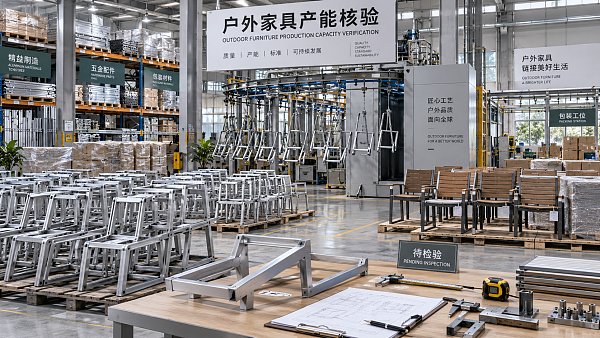
 Outdoor FurnitureHow to verify outdoor furniture manufacturers' production capacityCan outdoor furniture manufacturers deliver on time? Learn how to verify production capacity, uncover bottlenecks, and validate supplier commitments before placing your next order.Interior Sourcing LeadOct 13, 2026
 Commercial DisplaysWhat makes an outdoor digital signage display manufacturer reliable?Discover how to choose a reliable outdoor digital signage display manufacturer with proven weather protection, quality control, smart visibility, and responsive after-sales support.Commercial Tech EditorOct 12, 2026
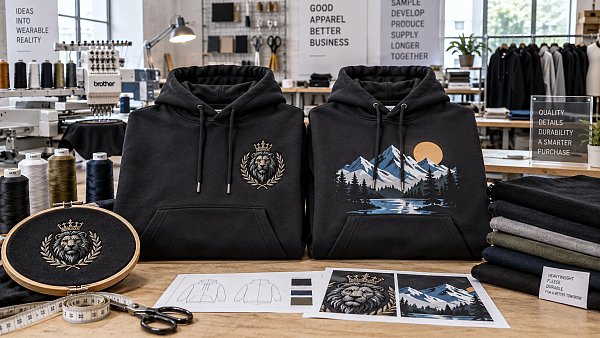
 Garment MfgWhen do bulk embroidered hoodies offer better value than printed ones?Bulk embroidered hoodies deliver lasting value for uniforms and premium branding. Compare durability, design, comfort, and cost to choose the right decoration.Textile Industry AnalystOct 11, 2026
 Carton & PlasticsHow to compare packaging automation suppliers for line integrationPackaging automation supplier comparison guide: evaluate line integration, controls, safety, testing, lifecycle costs, and support to select a proven partner.Packaging Supply ExpertOct 10, 2026