Industry News
Curation by industry experts
Hot Articles
Popular Tags
Vietnam MOIT: 18.7% Non-Compliance Rate for Imported Wedding Backdrop Fabrics
Vietnam’s Ministry of Industry and Trade (MOIT) reported on May 10, 2026, that the non-compliance rate for imported wedding photography fabric backdrops reached 18.7% in Q1 2026 — up 5.2 percentage points year-on-year. The primary issues were formaldehyde exceeding 20 ppm (63% of non-conforming samples) and sweat fastness below Grade 3 (29%). This development is particularly relevant to exporters of textile-based photographic props, cross-border trade service providers, and compliance-focused supply chain stakeholders operating between China and Vietnam.
Event Overview
On May 10, 2026, Vietnam’s Ministry of Industry and Trade issued an official通报 (notification) regarding import inspection results for wedding photography fabric backdrops during Q1 2026. The notification stated a 18.7% non-compliance rate — an increase of 5.2 percentage points compared to the same period in 2025. Among non-conforming shipments, 63% exceeded the formaldehyde limit of 20 ppm, and 29% failed sweat fastness testing (rated below Grade 3). The MOIT directed importers to strengthen review of factory inspection reports from Chinese suppliers and announced a pilot initiative for ‘China–Vietnam Joint Express Testing’.
Industries Affected by Segment
Direct Trading Enterprises (Importers/Exporters)
Importers of fabric backdrops into Vietnam face heightened customs scrutiny and potential shipment delays or rejections. The MOIT’s directive explicitly targets their due diligence obligations — especially verification of supplier-issued test reports. A rise in non-compliance directly increases documentation review burden, insurance costs, and risk of duty forfeiture or penalties.
Manufacturing & Contract Production Firms
Firms producing backdrops in China for Vietnamese importers are exposed to downstream liability. Since formaldehyde and color fastness failures originate at production stage, these manufacturers may face intensified audit requests, contract renegotiations, or loss of buyer trust — especially if test reports submitted to importers are found inconsistent with MOIT lab results.
Raw Material Suppliers (e.g., Dye Houses, Fabric Mills)
Suppliers providing base fabrics or dyeing services to backdrop producers may experience upstream pressure to provide certified pre-production test data. The 63% formaldehyde share suggests possible overuse of formaldehyde-based resin finishes; the 29% sweat fastness failure points to substandard dye selection or fixation processes — both traceable to material-level inputs.
Supply Chain Compliance & Testing Service Providers
Third-party labs and compliance consultants serving China–Vietnam textile trade may see increased demand for pre-shipment formaldehyde and color fastness testing — especially under accelerated timelines. The MOIT’s mention of a ‘Joint Express Testing’ pilot signals potential institutional collaboration opportunities, but also raises expectations for standardized reporting formats and mutual recognition protocols.
Key Points for Enterprises and Practitioners to Monitor and Act Upon
Track official implementation details of the ‘China–Vietnam Joint Express Testing’ pilot
This mechanism remains at the pilot stage. Enterprises should monitor MOIT announcements for scope (e.g., eligible ports, product categories), participating labs, sample submission procedures, and whether results will be accepted as customs clearance documents — rather than treated solely as advisory.
Verify alignment between supplier test reports and MOIT-defined parameters
Not all formaldehyde or color fastness tests use identical methods or pass/fail thresholds. Importers must confirm that supplier reports reference Vietnam-standardized test methods (e.g., TCVN equivalents of ISO 105-E04 for sweat fastness or ISO 14184-1 for formaldehyde), not just generic internal or export-market protocols.
Review procurement contracts for liability clauses related to chemical and performance compliance
Contracts with Chinese manufacturers should explicitly assign responsibility for formaldehyde content and color fastness outcomes — including remediation obligations (e.g., retesting, rework, or compensation) when MOIT inspections yield non-conformities. Blanket ‘test report provided’ clauses are no longer sufficient.
Prepare contingency plans for delayed clearance or re-export scenarios
With nearly one in five shipments failing inspection, importers should assess storage capacity, demurrage exposure, and options for local reprocessing (if feasible) or return logistics — especially for time-sensitive wedding-season inventory.
Editorial Perspective / Industry Observation
Observably, this MOIT notification functions primarily as a regulatory signal — not yet a structural enforcement shift. The 18.7% rate reflects a targeted sampling regime, not full-scope border control. However, the explicit linkage between failure causes (formaldehyde, sweat fastness) and corrective actions (supplier report review, joint testing pilot) suggests Vietnam is moving toward more systematic, science-based oversight of imported textile props — particularly those contacting human skin (e.g., backdrops used in close-proximity studio settings). Analysis shows this is less about broad protectionism and more about aligning with ASEAN-wide trends in consumer chemical safety governance. From an industry standpoint, it signals growing expectation that compliance is embedded earlier in the value chain — not outsourced to last-minute documentation.

Conclusion: This notification underscores a tightening of technical compliance expectations for textile-based photographic products entering Vietnam — driven by measurable chemical and performance risks. It is best understood not as an isolated inspection outcome, but as an early indicator of evolving regulatory prioritization in Vietnam’s import control framework for consumer-facing textile goods. Stakeholders should treat it as a prompt to verify test methodology alignment, clarify contractual accountability, and prepare for potential procedural changes — rather than as evidence of systemic market access restriction.
Source: Vietnam Ministry of Industry and Trade (MOIT), Official Notification dated May 10, 2026, referencing Q1 2026 import inspection data for wedding photography fabric backdrops.
Note: The ‘China–Vietnam Joint Express Testing’ mechanism remains in pilot phase; its operational details, rollout timeline, and formal recognition status require ongoing monitoring.
Recommended News
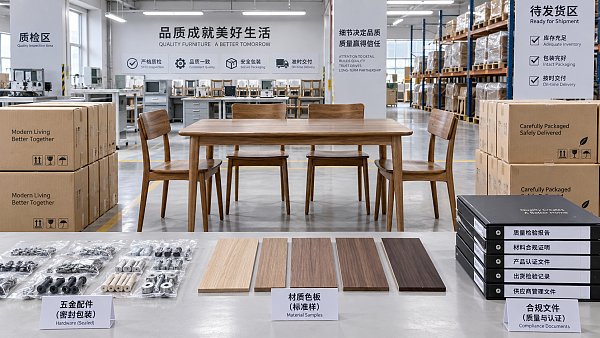
 Office FurnitureHow supplier scorecards reduce risk in furniture procurementFurniture procurement supplier management becomes more resilient with supplier scorecards that track quality, delivery, compliance, and corrective actions. Learn how to reduce sourcing risk.Interior Sourcing LeadSep 26, 2026
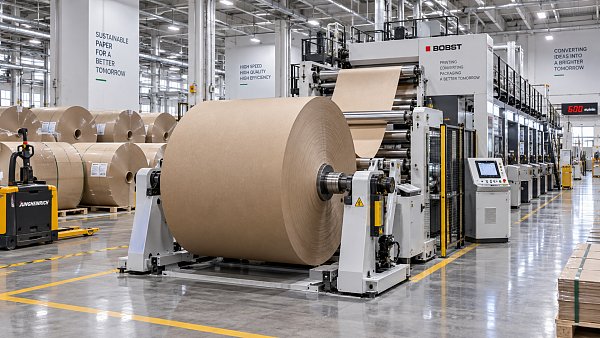
 Office Paper & Printing PaperHow roll diameter affects downtime when using jumbo paper rollsJumbo paper rolls can cut changeovers and downtime—if your unwinder, handling, and tension control can support them. Find the optimal roll diameter for smoother output.Packaging Supply ExpertSep 25, 2026
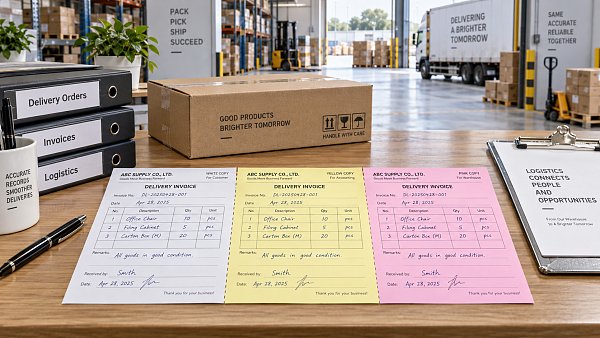
 Office Paper & Printing PaperWhen does carbonless paper for invoices reduce billing errors?Carbonless paper for invoices reduces billing errors by creating clear, consistent copies for deliveries, service calls, and approvals. Learn when it strengthens billing control.Packaging Supply ExpertSep 24, 2026
 Home DecorHow to compare floating wall shelves suppliers for consistent load capacityFloating wall shelves supplier comparison guide: evaluate load capacity, brackets, wall fixings, testing, and production consistency before you buy.Interior Sourcing LeadSep 23, 2026