Industry News
Curation by industry experts
Hot Articles
Popular Tags
How to Compare a Custom Sports Jersey Supplier for Quality and Lead Time
Comparing a custom sports jersey supplier is no longer a simple price exercise. Quality failures, unstable delivery, and weak process control can damage sell-through, event readiness, and brand credibility. In apparel sourcing, especially where customization is involved, the stronger decision often comes from testing how a supplier manages fabric, decoration, production planning, and timing under real business conditions.
That matters even more in a market shaped by tighter lead times, rising compliance expectations, and frequent demand swings. For organizations tracking light manufacturing performance across global supply chains, the jersey category sits at the intersection of textiles, printing, and operational discipline. A capable custom sports jersey supplier should therefore be assessed as both a garment producer and a coordinated manufacturing partner.
What a reliable comparison should actually measure
A jersey may look straightforward, but the product combines several risk points. Fabric behavior, color consistency, logo execution, seam durability, and size grading all affect final acceptance.
Lead time is equally layered. It includes sampling, material booking, artwork approval, production scheduling, inspection, packing, and shipment release. A realistic comparison needs to follow that full path.
This is where many supplier reviews become too narrow. A quotation sheet may show unit cost and promised days, yet miss the controls that determine whether those promises hold.
Quality starts with fabric, not with the mockup
The first useful question is what fabric platform the supplier uses for sportswear programs. Polyester performance jerseys can vary widely in weight, knit structure, moisture handling, stretch recovery, and opacity.
A dependable custom sports jersey supplier should provide clear material specifications. That includes GSM, composition, yarn type, finishing method, colorfastness data, and shrinkage expectations.
Sample review should go beyond touch and appearance. Ask whether the supplier can support test reports for pilling resistance, wash stability, crocking, and seam slippage where relevant.
Fabric questions worth asking early
- Is the fabric sourced from approved mills or bought opportunistically per order?
- Are stock colors available, or is every order dependent on fresh dyeing?
- Can the supplier keep the same hand feel and shade across repeat orders?
- What is the tolerance for size, weight, and color variation?
These points affect both quality and lead time. A supplier with stable fabric sourcing is usually better positioned to avoid rework and schedule drift.
Decoration quality often reveals real process capability
In custom teamwear, decoration is where many orders succeed or fail. Names, numbers, sponsor logos, gradients, and panel graphics expose the supplier’s print control.
Different methods suit different programs. Sublimation works well for all-over graphics and repeat consistency. Screen printing may suit bulk runs with simpler artwork. Heat transfer can help short runs, but durability must be checked carefully.
A strong custom sports jersey supplier should explain which process matches the order structure, not simply offer every method without distinction.
Review physical samples if possible. Decoration issues often appear only after stretch, repeated washing, or close inspection along seams and panel joins.
Lead time should be broken into controllable stages
A supplier promising fast delivery is not enough. The more useful question is whether the timeline is built from verified process data or sales optimism.
For a custom sports jersey supplier, total lead time usually depends on four variables: material readiness, artwork complexity, order volume, and production queue.
Where delays commonly appear
- Unclear tech packs or incomplete size breakdowns
- Repeated artwork revisions before final approval
- Dependence on external printing or sewing subcontractors
- Raw material shortages during peak sports seasons
- Weak inline inspection, causing late-stage rework
A more credible supplier can map each milestone clearly. Sampling time, bulk fabric booking, cut-and-sew duration, decoration slotting, QC, and dispatch should all be visible.
This is also where a sourcing intelligence perspective becomes useful. Global Supply Review often highlights that resilient light manufacturing partners are not merely fast. They are predictable, transparent, and able to explain constraints before they become failures.
Capacity, consistency, and repeatability matter more than headline scale
A large factory is not automatically the best fit. Some suppliers handle volume well but struggle with mixed SKU orders, short customization cycles, or frequent design changes.
A smaller specialist may deliver better control if the program requires precise numbering, many player names, or frequent team-level replenishment. The comparison should match the supplier model to the operating reality.
Ask for evidence from repeat orders. Reorder stability often reveals more than a first sample because it tests color continuity, pattern retention, and production memory.
Useful indicators of operational stability
- Documented standard operating procedures for customization workflows
- In-house quality checkpoints from fabric arrival to final packing
- Line planning that separates urgent repeats from new developments
- Digital order tracking for artwork, size matrix, and shipment status
Compliance and sourcing transparency are now part of quality
In apparel supply, product quality is no longer judged only by look and wear. Compliance, traceability, and responsible material use increasingly shape supplier approval decisions.
A custom sports jersey supplier should be ready to discuss factory audits, chemical management, labor standards, and sustainability claims with supporting records.
This does not mean every supplier needs the same certificate set. It means claims must be verifiable, current, and relevant to the intended market.
For buyers working across categories, this broader view aligns with current B2B sourcing practice. Apparel, packaging, hardware, and other light manufacturing sectors increasingly face the same demand for documented trust signals.
How to compare suppliers in a practical scorecard
A structured scorecard makes discussions clearer and reduces bias from polished presentations. It also helps separate low price from low total risk.
The value of this approach is simple. It turns supplier selection into a repeatable decision process, especially when more than one region or factory is being considered.
What to do before making the final choice
Shortlist suppliers only after aligning the order profile. Minimum order quantity, replenishment frequency, graphic complexity, and shipping window should all be defined in advance.
Then request a comparable package from each custom sports jersey supplier. Use the same tech pack, the same artwork files, the same quantity assumptions, and the same quality expectations.
If possible, test one development order and one repeat order. The first shows responsiveness. The second shows process discipline.
A sound decision usually comes from combining sample evidence, lead time realism, and operating transparency. That is the point where a custom sports jersey supplier moves from quote provider to dependable supply partner.
The next step is to build a comparison framework that reflects actual commercial risk, not only landed cost. Once that framework is in place, supplier discussions become sharper, approvals become easier to defend, and future sourcing rounds become far more efficient.
Recommended News
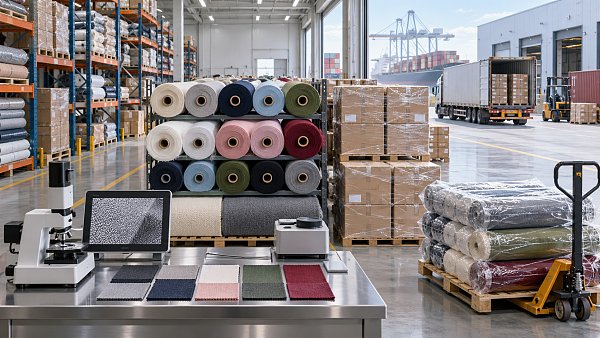
 Fabrics & YarnsWhat drives textile procurement cost beyond the quoted fabric price?Textile procurement cost goes far beyond the quoted fabric price. Discover how freight, quality, MOQ, compliance, payment terms, and supplier reliability shape total sourcing cost.Textile Industry AnalystOct 07, 2026
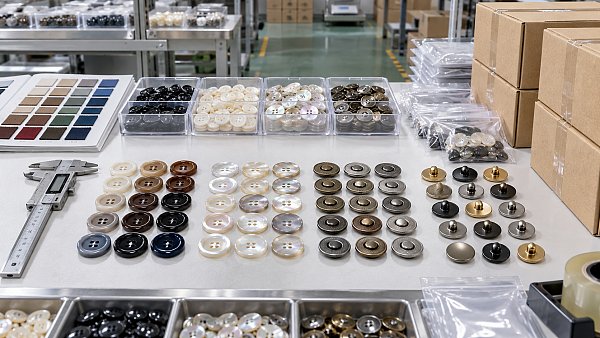
 Garment MfgWhat drives unit costs when buying garment buttons wholesale?Garment buttons wholesale costs depend on material, tooling, finish, MOQ, quality, packing, and freight. Learn how to compare true landed costs and source reliably.Textile Industry AnalystOct 06, 2026
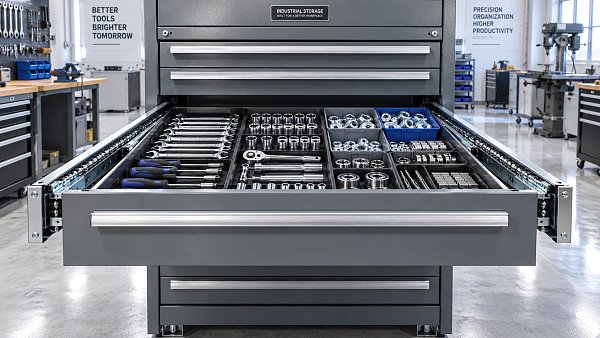
 Building HardwareWhat load rating should you specify for wholesale ball bearing slides?Wholesale ball bearing slides: learn how to specify the right load rating for drawer weight, extension, mounting, and durability. Source smarter and reduce failures.Tooling & Hardware LeadOct 05, 2026
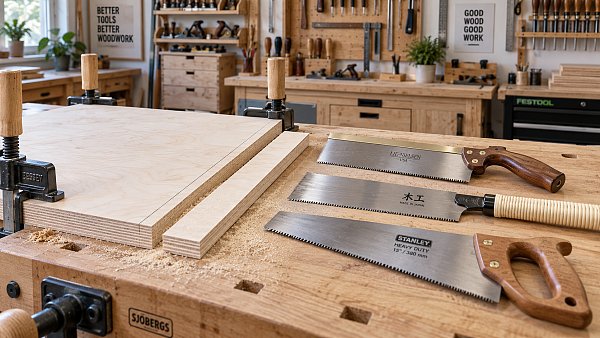
 Hand & Power ToolsHow to choose a hand saw for woodworking without tear-outHand saw for woodworking guide: choose the right tooth pattern, blade, and technique to achieve clean, precise cuts with less tear-out. Explore practical buying tips.Tooling & Hardware LeadOct 04, 2026