Industry News
Curation by industry experts
Hot Articles
Popular Tags
Diamond Core Drill Bits: Choosing the Right Bond for Concrete Applications
Selecting the right bond is critical to getting the best performance from diamond core drill bits in concrete applications. For technical evaluators, bond hardness directly affects cutting speed, segment wear, and drilling efficiency across different concrete densities and reinforcement conditions. This guide outlines how to match bond types to job requirements so you can improve tool life, reduce downtime, and make more informed sourcing decisions.
What does “bond” mean in diamond core drill bits, and why is it so important?
In diamond core drill bits, the bond is the metal matrix that holds the diamond crystals inside each segment. While buyers often focus first on diamond grade or segment height, the bond is what determines how effectively fresh diamonds are exposed during drilling. If the bond is too hard for the material being drilled, the segment may glaze over, meaning the diamonds stop cutting efficiently because worn crystals are not released fast enough. If the bond is too soft, the segment can wear away too quickly, raising cost per hole and shortening service life.
For concrete applications, this matters because concrete is not a uniform substrate. A single project may include green concrete, cured high-strength concrete, abrasive block, heavily reinforced slabs, or bridge decks with dense aggregate. The correct bond allows diamond core drill bits to maintain a balance between speed and durability across these changing conditions. For a technical evaluator, bond selection is therefore not a minor product detail but a direct indicator of operational efficiency, downtime risk, and procurement value.
How do hard bond and soft bond diamond core drill bits behave differently in concrete?
A common misunderstanding is that a hard bond should be used on hard concrete and a soft bond on soft concrete. In practice, the opposite is often true. Hard materials wear the segment matrix more slowly, so they usually require a softer bond to release dull diamonds and expose new cutting edges. Softer or more abrasive materials wear segments quickly, so they often need a harder bond to prevent excessive segment loss.
When comparing bond types in diamond core drill bits, the main behavioral differences are:
- Soft bond: faster self-sharpening, better for hard and dense concrete, but can wear quickly in abrasive materials.
- Medium bond: balanced performance for mixed site conditions, often chosen for general-purpose reinforced concrete drilling.
- Hard bond: slower wear rate, useful in abrasive or lower-density concrete, but may glaze in very hard concrete.
This is why technical teams should evaluate bond behavior in relation to material hardness, abrasiveness, aggregate type, and steel content rather than relying on simplified labels. A bit that performs well in abrasive masonry may fail to deliver acceptable penetration in cured structural concrete, even if both are described loosely as “concrete drilling” tasks.
Which concrete conditions should guide bond selection first?
When selecting diamond core drill bits, technical evaluators should prioritize the actual drilling environment over catalog descriptions alone. Four conditions usually have the greatest impact on bond choice.
First, concrete hardness and compressive strength. High-strength or well-cured concrete typically calls for softer bond diamond core drill bits because the segment must open up more easily. Lower-strength or younger concrete can tolerate harder bonds, especially if the material is abrasive.
Second, aggregate composition. Dense aggregates such as granite, quartz-rich stone, or river rock tend to increase cutting resistance. These conditions often favor softer bonds that avoid glazing. By contrast, highly abrasive aggregates may consume soft bonds too quickly.
Third, reinforcement level. Rebar changes cutting dynamics significantly. Drilling through steel requires segment stability, heat control, and consistent diamond exposure. Medium-to-soft bond options are often preferred for reinforced concrete because they support cutting continuity when the bit transitions between concrete and steel.
Fourth, drilling method and machine power. Wet drilling generally improves cooling and slurry removal, which helps many diamond core drill bits perform more predictably. Lower-powered rigs may need a more forgiving bond that cuts freely under reduced torque. High-powered systems can drive harder segments effectively, but only if the material profile supports that choice.
Is there a practical way to match bond type to common concrete applications?
Yes. A field-oriented matching approach is usually more useful than relying on broad marketing claims. The table below summarizes a practical starting point for comparing bond preferences in different applications. Final validation should still include trial data, drilling speed, and wear pattern review.
What warning signs show that the bond on diamond core drill bits is wrong?
The wrong bond usually reveals itself quickly if drilling data is monitored. Technical evaluators should look beyond whether the bit “works” and instead identify how it fails or underperforms. Several patterns are especially useful.
- Glazing and polishing of segments: usually indicates the bond is too hard for the concrete condition.
- Very slow penetration with heat buildup: often linked to insufficient self-sharpening or poor slurry evacuation.
- Rapid segment loss: often means the bond is too soft or the application is more abrasive than expected.
- Uneven wear across segments: may reflect unstable machine setup, inconsistent feed pressure, or mismatch between bit design and reinforcement pattern.
- Sharp drop in hole count despite normal operating procedure: suggests the bond is not matched to material changes on site.
These symptoms should be reviewed alongside operating variables such as rpm, feed rate, water flow, stand rigidity, and operator technique. Not every poor result is caused by bond mismatch alone. However, recurring glazing in dense concrete or repeated fast wear in abrasive substrates is a strong indicator that the chosen diamond core drill bits are not optimized for the application.
What are the most common sourcing mistakes when evaluating diamond core drill bits?
One frequent mistake is specifying only diameter and length while ignoring bond composition. This turns procurement into a dimensional exercise instead of a performance decision. Two bits with the same size and segment height can produce very different drilling costs if one is correctly bonded and the other is not.
Another mistake is overvaluing universal-purpose claims. General-purpose diamond core drill bits can be useful for contractors facing varied jobs, but technical evaluators should still ask what “general-purpose” actually covers. Is the product tuned for standard reinforced concrete, abrasive masonry, precast structures, or mixed aggregate conditions? A universal label without application limits is not enough.
A third sourcing error is comparing only unit price. Lower upfront cost may lead to slower drilling, more frequent bit changes, additional labor time, and unplanned downtime. In many projects, cost per hole, meters drilled per segment, and average drilling time are better indicators than purchase price alone.
Finally, some buyers fail to request validation data. Reliable suppliers should be able to discuss concrete strength range, reinforcement suitability, recommended operating speed, wet versus dry use, and expected performance trade-offs. For a B2B intelligence-driven procurement process, this level of transparency is essential.
How should technical evaluators test and compare options before committing to volume orders?
The most effective approach is controlled field comparison. Instead of testing many variables at once, compare two or three diamond core drill bits across the same machine, operator, feed pressure, water supply, and concrete section. Track penetration time, holes completed, segment wear, vibration, and behavior when crossing rebar.
A practical test protocol should include:
- Concrete description: strength class, age, and aggregate type
- Reinforcement conditions: spacing, bar size, and frequency of steel contact
- Machine setup: rig power, rpm range, and drilling mode
- Performance metrics: average drilling speed, number of holes, wear rate, and downtime
- Failure observations: glazing, segment cracking, overheating, or core binding
This structured evaluation helps technical teams move from anecdotal preference to evidence-based sourcing. It also creates a stronger basis for supplier discussions, product customization, and long-term framework agreements.
What questions should you ask suppliers before selecting diamond core drill bits for concrete work?
Before finalizing a sourcing decision, evaluators should confirm whether the supplier understands the real drilling environment. Useful questions include:
- Which bond options are recommended for the target concrete strength and aggregate profile?
- How do the proposed diamond core drill bits perform in reinforced concrete versus plain concrete?
- What operating speed, feed rate, and cooling method are required for best results?
- Can the supplier provide field data, case references, or comparative wear results?
- Is customization available for local material conditions or repeated project types?
- What quality controls apply to segment consistency, welding integrity, and diamond distribution?
These questions improve alignment between engineering requirements and procurement outcomes. They also help distinguish between traders selling interchangeable stock and suppliers capable of supporting performance-led purchasing decisions.
What is the key takeaway for choosing the right bond in concrete applications?
Choosing the right bond for diamond core drill bits is really about matching segment wear behavior to the actual drilling environment. Harder concrete often needs a softer bond, abrasive concrete often needs a harder bond, and reinforced structures usually benefit from balanced bond designs that cut consistently through both concrete and steel. Technical evaluators should assess hardness, aggregate, reinforcement, machine capability, and performance data together rather than in isolation.
If you need to confirm a specific sourcing plan, application direction, test cycle, or supplier shortlist, the best next step is to clarify the concrete type, reinforcement level, drilling diameter, rig power, target hole volume, and acceptable cost per hole before requesting quotations. That makes it much easier to identify the most suitable diamond core drill bits and to compare supplier proposals on performance, not just price.
Recommended News
 Export UpdatesNingbo Port Launches 'Green Export Index' for Wedding Photography GoodsWedding photography goods exporters: Ningbo Port’s new Green Export Index reveals 98.2% customs pass rate for OEKO-TEX®/GOTS fabrics & IEC 62471 LED lights — boost your sustainability credibility now.May 09, 2026
 Carton & PlasticsECHA Adds D-Limonene to SVHC List: Impact on Bridal Photo Spray ExportsBridal photo spray exporters: ECHA’s D-Limonene SVHC listing (May 2026) triggers urgent SDS & label updates for EU-bound hair and fabric sprays.Packaging Supply ExpertMay 09, 2026
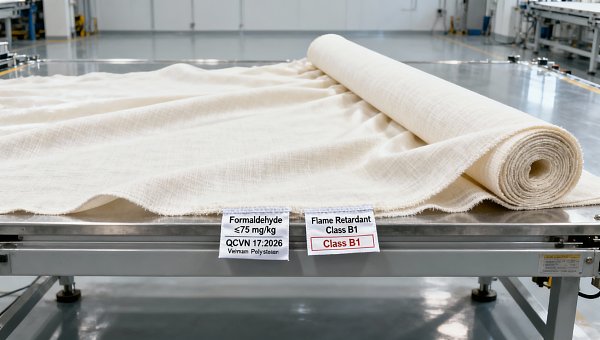
 Fabrics & YarnsVietnam Enforces QCVN 17:2026 for Wedding Photo BackdropsVietnam enforces QCVN 17:2026 for wedding photo backdrops—mandatory formaldehyde testing & B1 flame-retardant labeling. Ensure compliance now to avoid market access delays.Textile Industry AnalystMay 09, 2026
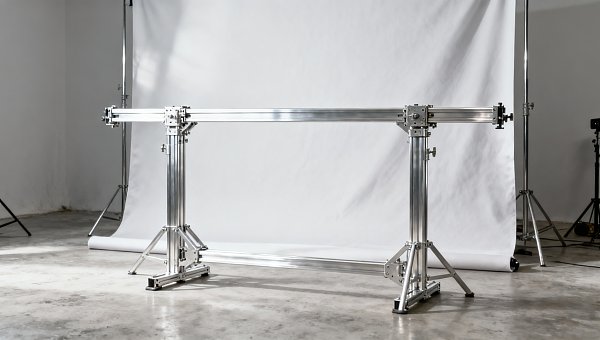
 Building HardwareIndia BIS Mandate: Aluminum Photo Backdrop Stands Must Pass Dual Testing by June 30, 2026Aluminum photo backdrop stands for wedding photography must pass BIS salt spray & load testing by June 30, 2026—secure certification now to avoid import bans in India.Tooling & Hardware LeadMay 09, 2026