Industry News
Curation by industry experts
Hot Articles
Popular Tags
Wire Cup Brushes: Which Type Works Best for Rust, Paint, and Weld Cleaning
Choosing the right wire cup brushes can make rust removal, paint stripping, and weld cleaning faster, safer, and more consistent. But not every brush type performs the same on every surface. This guide explains how different wire cup brushes work, what tasks they handle best, and how operators can select the most effective option for cleaner results and longer tool life.
Why a checklist approach works better than guesswork
Many operators choose wire cup brushes by habit: pick the brush already on the grinder, run it at full speed, and hope it removes the contamination quickly. That often leads to poor finish quality, excessive wire breakage, overheating, and unnecessary wear on the base metal. A checklist method is more reliable because rust, paint, and weld cleaning are three different jobs. Each task changes the ideal wire style, aggression level, speed, and safety setup.
For users in workshops, fabrication lines, maintenance teams, and field repair work, the best decision usually comes down to five points: what material is being cleaned, how heavy the contamination is, how much surface finish matters, what tool is driving the brush, and how long the brush needs to last. When those points are reviewed first, wire cup brushes become easier to match to the actual job instead of relying on trial and error.
Start with this operator checklist before selecting wire cup brushes
Before comparing brush types, confirm the basic job conditions. This short review prevents the most common mismatch between brush design and cleaning task.
- Identify the substrate: carbon steel, stainless steel, aluminum, cast iron, or mixed assemblies.
- Define the target contamination: light flash rust, thick scale, old paint layers, slag, spatter, or weld discoloration.
- Decide whether the goal is aggressive removal or controlled surface preparation.
- Check the available tool: angle grinder, right-angle tool, bench machine, or pneumatic equipment.
- Match the brush RPM rating to the tool’s no-load speed.
- Consider the work area shape: flat plate, edges, corners, pipe welds, or irregular profiles.
- Confirm whether finish quality matters after cleaning, especially before coating or inspection.
- Review operator safety needs: guard fit, face protection, gloves, and spark or debris control.
If any of these points are unclear, even high-quality wire cup brushes may perform badly because the selection basis is incomplete.
Know the main types of wire cup brushes and what they do best
Crimped wire cup brushes
Crimped wire cup brushes use individual wires bent into a waved pattern. This design creates a more flexible brushing action and wider contact area. They are generally the best choice for lighter to medium cleaning, including paint removal, surface blending, light rust, and finishing work after fabrication. Because the wires are less aggressive than twisted knots, they are easier to control and less likely to gouge the surface.
Operators often prefer crimped wire cup brushes when the goal is to clean without removing too much parent material. They are especially useful on sheet metal, broad flat surfaces, and pre-coating preparation where a more uniform finish is important.
Twist knot wire cup brushes
Twist knot wire cup brushes bundle wires into tight knots, which makes them much more aggressive. They are built for heavy rust, scale, weld slag, hard coatings, and stubborn debris on structural steel or thick sections. For weld cleaning, they are often the top choice when operators need fast cutting action and strong impact on uneven surfaces.
The tradeoff is that twisted brushes can leave a rougher finish and may remove more surface material if pressure is too high. They also require a steadier hand, especially on edges and corners where bounce can occur.
Carbon steel, stainless steel, and brass-coated wire options
Wire material matters as much as brush construction. Carbon steel wire cup brushes are common for general work on mild steel and cast iron. Stainless steel wire cup brushes should be used on stainless steel and aluminum when contamination control matters, because carbon steel residue can contribute to corrosion issues. Brass-coated options are typically selected for lighter-duty cleaning and some corrosion resistance, but the coating does not make the wire non-sparking or suitable for every soft metal application.
A simple rule helps here: match the brush wire to the workpiece material when contamination or finish integrity is critical.
Which type works best for rust removal, paint stripping, and weld cleaning
The table below gives a practical starting point for selecting wire cup brushes by task.
In most daily operations, crimped wire cup brushes are the better all-purpose option for paint and lighter rust, while twist knot wire cup brushes are the stronger choice for weld cleaning and severe corrosion. The best result depends on how aggressive the removal needs to be and how much finish control is required afterward.
How to judge the right level of aggression
A common mistake is assuming the most aggressive brush is always the most efficient. In reality, over-aggressive wire cup brushes can shorten tool life, increase operator fatigue, and create rework by damaging the surface. Use this judgment guide:
- Choose light aggression when the surface will be painted, plated, or visually inspected.
- Choose medium aggression for general maintenance cleaning where speed matters but finish still counts.
- Choose high aggression for thick rust, weld slag, mill scale, and heavy structural work.
- Reduce pressure if the brush is smearing coatings, heating the workpiece, or leaving deep marks.
- Increase brush stiffness only after confirming that speed, angle, and wire material are already correct.
The brush should do the cutting, not excessive hand force. Too much pressure bends the wires, lowers cleaning efficiency, and increases breakage.
Key differences by application and workpiece shape
For flat panels and plate
Crimped wire cup brushes usually provide better contact consistency on broad surfaces. They can strip paint and remove light corrosion with less chatter, making them easier for operators who need a stable finish before repainting or assembly.
For structural steel and rough fabrication
Twist knot wire cup brushes are often the stronger choice because they hold up better against heavy rust, weld slag, and hard edges. They are widely used in fabrication shops, repair yards, and field maintenance where speed and removal power matter more than fine finish.
For pipe welds, corners, and irregular geometry
Operators should focus not only on wire type but also on brush diameter and face flexibility. A brush that is too large may skip over the profile rather than clean into it. In these cases, smaller wire cup brushes or related wire wheel formats may offer better access and control.
Commonly overlooked risks that reduce cleaning quality
- Using a brush rated below tool speed. This is a serious safety risk and should never be ignored.
- Using carbon steel wire cup brushes on stainless steel. This can contaminate the surface and cause downstream quality issues.
- Running at the wrong angle. Too flat can smear; too steep can gouge and wear the brush unevenly.
- Applying excessive pressure. This does not always clean faster and often shortens brush life.
- Ignoring brush wear. As the wire shortens or deforms, cleaning becomes less consistent.
- Choosing by price alone. Low-cost wire cup brushes may wear faster, shed more wire, and increase total operating cost.
Practical operating tips for better results and longer brush life
If operators want the best value from wire cup brushes, process control matters as much as brush selection. Start by checking brush mounting and guard clearance. Let the tool reach stable speed before contacting the surface. Use a consistent working angle, typically enough to engage the wire tips rather than crushing the face of the brush into the workpiece. Move steadily instead of dwelling too long in one spot, especially during paint stripping where heat buildup can make coatings smear.
For weld cleaning, remove the heaviest slag first and then decide whether a second pass with a less aggressive brush is needed for finish improvement. For rust removal, inspect whether the objective is cosmetic cleaning or full preparation before coating. If coating adhesion matters, the cleaned surface should be uniform and free of loose oxides, dust, and embedded contamination.
What to confirm with suppliers before buying wire cup brushes in volume
For workshops, distributors, and sourcing teams evaluating wire cup brushes for repeated use, it helps to confirm a few purchase details early. Ask for wire material, knot or crimp configuration, diameter, arbor or thread size, maximum RPM, recommended applications, and expected wear behavior on your target metals. If the operation includes stainless fabrication, verify dedicated stainless brush inventory to prevent cross-contamination. For production environments, request consistency data across batches and packaging that protects the brush during transport and storage.
This is where a sourcing-focused platform such as Global Supply Review becomes useful for buyers and operators alike. Beyond basic product listings, practical procurement depends on trustworthy technical details, application fit, and supplier reliability across hardware and industrial cleaning categories.
FAQ: quick answers operators often need
Are wire cup brushes good for paint removal?
Yes. Crimped wire cup brushes are usually the better starting point for paint stripping because they balance coating removal with better finish control.
Which wire cup brushes are best for weld cleaning?
Twist knot wire cup brushes are generally best for removing weld slag, spatter, and heavy oxidation. If appearance matters after cleaning, follow with a less aggressive brush.
Can the same brush be used on mild steel and stainless steel?
It is not recommended when stainless cleanliness matters. Use stainless steel wire cup brushes for stainless applications to reduce contamination risk.
Why do wire cup brushes wear out quickly?
Typical causes include excessive pressure, incorrect speed, poor brush quality, wrong angle, or using a light-duty brush on a heavy-duty task.
Final selection guide and next step
If you need one simple rule, use crimped wire cup brushes for lighter rust, paint removal, and controlled finishing, and choose twist knot wire cup brushes for hard weld cleaning, thick corrosion, and aggressive material removal. Then refine the choice by matching wire material to the workpiece, brush size to the surface shape, and RPM rating to the tool.
Before moving forward with a purchase or process change, it is worth confirming a few practical points: what surface materials you clean most often, what contamination is hardest to remove, what finish quality is required, what tool speeds you run, how often brushes are replaced, and whether stainless-safe separation is needed. When these details are clearly defined, selecting the right wire cup brushes becomes faster, safer, and more cost-effective for everyday operations.
Recommended News
 Export UpdatesNingbo Port Launches 'Green Export Index' for Wedding Photography GoodsWedding photography goods exporters: Ningbo Port’s new Green Export Index reveals 98.2% customs pass rate for OEKO-TEX®/GOTS fabrics & IEC 62471 LED lights — boost your sustainability credibility now.May 09, 2026
 Carton & PlasticsECHA Adds D-Limonene to SVHC List: Impact on Bridal Photo Spray ExportsBridal photo spray exporters: ECHA’s D-Limonene SVHC listing (May 2026) triggers urgent SDS & label updates for EU-bound hair and fabric sprays.Packaging Supply ExpertMay 09, 2026
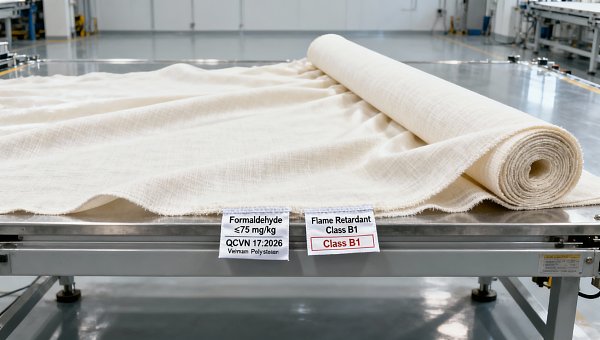
 Fabrics & YarnsVietnam Enforces QCVN 17:2026 for Wedding Photo BackdropsVietnam enforces QCVN 17:2026 for wedding photo backdrops—mandatory formaldehyde testing & B1 flame-retardant labeling. Ensure compliance now to avoid market access delays.Textile Industry AnalystMay 09, 2026
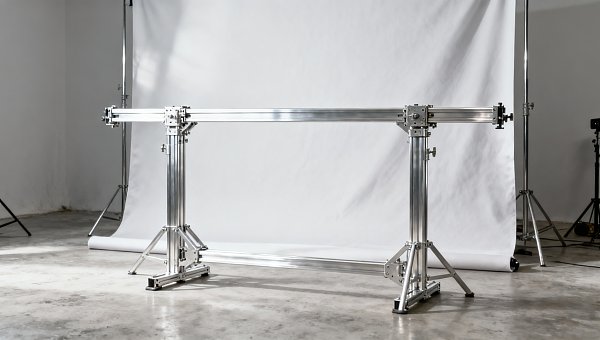
 Building HardwareIndia BIS Mandate: Aluminum Photo Backdrop Stands Must Pass Dual Testing by June 30, 2026Aluminum photo backdrop stands for wedding photography must pass BIS salt spray & load testing by June 30, 2026—secure certification now to avoid import bans in India.Tooling & Hardware LeadMay 09, 2026