Industry News
Curation by industry experts
Hot Articles
Popular Tags
Manual Chain Hoist Selection Tips for Tight Spaces and Frequent Lifts
Choosing the right manual chain hoist for tight spaces and frequent lifts can directly affect jobsite safety, workflow efficiency, and long-term equipment reliability. For project managers and engineering leaders, understanding load capacity, headroom limits, lifting frequency, and operator control is essential before making a purchase. This guide outlines practical selection tips to help you match the best manual chain hoist to demanding site conditions with greater confidence.
Why Scenario Differences Matter More Than Basic Specifications
A manual chain hoist may look simple on paper: rated capacity, lift height, and hook configuration. In real projects, however, the same model can perform very differently depending on where and how it is used. A tight mechanical room, a steel fabrication bay, a maintenance platform, and a container loading area all place different demands on clearance, operator position, lift frequency, and rigging access.
For project managers, the selection process should not begin with price alone. It should begin with the operating scenario. In compact work zones, headroom and side clearance often matter as much as load rating. In repetitive lifting environments, chain pull effort, brake consistency, and maintenance intervals may become more important than a small difference in upfront cost. That is why a well-chosen manual chain hoist supports not only lifting tasks, but also schedule control, labor efficiency, and incident prevention.
This is especially relevant in cross-functional projects where procurement teams, site supervisors, contractors, and safety officers all influence the purchase decision. The most effective approach is to match equipment to the actual lift pattern, available space, operator skill level, and duty expectation.
Typical Jobsite Scenarios Where Manual Chain Hoist Choice Changes the Outcome
A manual chain hoist is commonly selected for locations where electric lifting is impractical, intermittent lifts do not justify powered systems, or portability is required. Yet each scenario creates a different selection priority.
Scenario 1: Tight Mechanical Rooms and Plant Utility Areas
In mechanical rooms, piping corridors, pump stations, and service shafts, low headroom is usually the first constraint. The hoist body must fit between the support beam and the load while still allowing enough hook travel. In these spaces, a compact manual chain hoist with reduced headroom design can prevent costly repositioning or partial disassembly of surrounding systems.
Project leaders should also review chain path and hand chain movement. If the operator must stand at an angle or work around fixed equipment, chain pull ergonomics become important. A hoist that technically fits but forces awkward handling can slow maintenance tasks and increase fatigue.
Scenario 2: Frequent Lifts in Fabrication or Assembly Zones
Where loads are lifted repeatedly during fitting, positioning, or component transfer, the key issue is not only capacity but operating effort over time. Frequent lifts magnify small inefficiencies. If the chain pull is heavy, the brake engagement is inconsistent, or hook rotation is limited, productivity drops quickly.
In this scenario, buyers should favor a manual chain hoist built for smoother operation, durable gearing, and reliable load control. Even though the equipment is manual, the duty cycle still matters. Repetitive use can accelerate wear on the chain, load sheave, bearings, and brake components if the hoist is selected only for occasional service.
Scenario 3: Mobile Site Work and Field Installation
During field installation, shutdown repair, or infrastructure work, portability becomes a major factor. Teams may need to carry the hoist across floors, scaffolding, or temporary access routes. Here, total unit weight, hook security, weather resistance, and setup speed should be assessed alongside rated load.
A portable manual chain hoist is often preferred where power supply is unavailable or site conditions change daily. However, if installation points vary, the hoist should also match the expected beam clamps, trolleys, slings, or temporary rigging hardware already specified for the project.
Scenario 4: Precision Positioning for Maintenance and Replacement
Maintenance tasks such as motor replacement, valve removal, machine alignment, or duct section installation often require slow, precise load handling. In these cases, project managers should evaluate controllability more than raw speed. A manual chain hoist can be ideal because it allows incremental lifting and lowering without electrical lag or power dependency.
The best fit is usually a model with dependable braking, smooth chain travel, and hooks that align cleanly with the rigging plan. Precision work also increases the importance of hook latch integrity and predictable lowering behavior.
Scenario Comparison: What to Prioritize Before You Buy
The table below helps compare how manual chain hoist requirements shift across common operating environments.
How to Judge Capacity in Tight Spaces Without Overbuying
A common purchasing mistake is choosing a much larger manual chain hoist than the task requires. While extra capacity may appear safer, oversized units are heavier, bulkier, and often harder to operate in compact areas. They may also reduce effective lifting travel because the hoist body consumes more space.
The better practice is to calculate the true lifted load, including fixtures, spreaders, slings, and any attached components, then apply an appropriate engineering margin aligned with site policy and applicable standards. This gives a realistic working requirement rather than a guess based on worst-case assumptions.
Capacity should also be reviewed against supporting structure limitations. A manual chain hoist with sufficient rating is not enough if the beam, clamp, trolley, or anchor point has a lower allowable load. For project managers, this is a coordination issue as much as a procurement issue.
Key Selection Factors for Frequent Lift Applications
When lifts happen many times per shift or week, the equipment should be judged for operating consistency, not just compliance. Several factors deserve extra attention.
- Hand chain pull effort: Lower effort improves productivity and reduces strain during repetitive use.
- Brake reliability: Frequent lowering and holding cycles demand stable braking performance.
- Load chain quality: Heat treatment, surface finish, and wear resistance influence service life.
- Inspection accessibility: Teams should be able to check hooks, chain, and brake condition quickly.
- Parts support: For high-use operations, spare part availability becomes a procurement priority.
These details may not seem dramatic during quotation review, but over months of use they shape downtime, operator satisfaction, and maintenance cost. In sourcing terms, a lower purchase price can become expensive if the manual chain hoist requires frequent replacement or disrupts workflow.
Common Misjudgments in Scenario-Based Selection
Many selection problems come from assuming all manual hoists are interchangeable. They are not. The following misjudgments appear often in project environments.
Ignoring Real Headroom Measurements
Teams may review only beam height and forget hook dimensions, sling length, or load geometry. The result is a hoist that cannot complete the required lift stroke inside the available space.
Buying for Maximum Capacity Instead of Typical Task Load
Oversized units often create handling problems, especially when operators work from ladders, platforms, or congested aisles. Proper sizing usually delivers better control and easier deployment.
Treating Repetitive Use as Occasional Use
A manual chain hoist used ten times per month is not the same as one used fifty times per shift. If your site has repetitive lifting, durability and service support should move higher in the decision matrix.
Forgetting the Operator’s Position
The hoist may be technically compatible but operationally awkward if the worker cannot pull the chain in a safe, natural direction. This matters especially in corners, between equipment rows, or above mezzanines.
A Practical Evaluation Checklist for Project Managers
Before approving a manual chain hoist purchase, it helps to confirm the following points with engineering, operations, and procurement stakeholders.
FAQ: Manual Chain Hoist Selection for Compact and Repetitive Work
Is a manual chain hoist still a good option for frequent lifts?
Yes, if the lift frequency is moderate and the operator effort remains acceptable. For repetitive applications, focus on smooth operation, brake consistency, and component durability. If the lift count becomes very high, powered equipment may deserve comparison.
What matters most in tight spaces?
Headroom, hook travel, side access, and safe operator position are usually the deciding factors. A compact manual chain hoist can be more valuable than a larger model with higher rating but poor clearance fit.
Should project teams standardize one hoist model for every site?
Standardization can simplify training and spare parts, but not every scenario should use the same manual chain hoist. It is often smarter to standardize within application categories such as low-headroom maintenance work, general field installation, and repetitive shop lifting.
Final Recommendation: Match the Hoist to the Work Pattern, Not Just the Load Rating
The best manual chain hoist for a project is rarely the one with the biggest capacity or the lowest price. It is the one that fits the real environment, supports safe operator movement, and performs reliably across the expected lift frequency. For tight spaces, compact geometry and usable headroom should lead the evaluation. For frequent lifts, operating effort, braking performance, and lifecycle durability deserve close attention.
If you are managing sourcing or equipment decisions across multiple sites, build your comparison around application scenarios first. Document load range, clearance limits, daily lift count, rigging method, and maintenance expectations. That process will make manual chain hoist selection faster, more defensible, and better aligned with project outcomes. For B2B buyers and engineering leaders, the most effective purchase decision comes from turning site conditions into clear selection criteria before requesting supplier quotations.
Recommended News
 Export UpdatesNingbo Port Launches 'Green Export Index' for Wedding Photography GoodsWedding photography goods exporters: Ningbo Port’s new Green Export Index reveals 98.2% customs pass rate for OEKO-TEX®/GOTS fabrics & IEC 62471 LED lights — boost your sustainability credibility now.May 09, 2026
 Carton & PlasticsECHA Adds D-Limonene to SVHC List: Impact on Bridal Photo Spray ExportsBridal photo spray exporters: ECHA’s D-Limonene SVHC listing (May 2026) triggers urgent SDS & label updates for EU-bound hair and fabric sprays.Packaging Supply ExpertMay 09, 2026
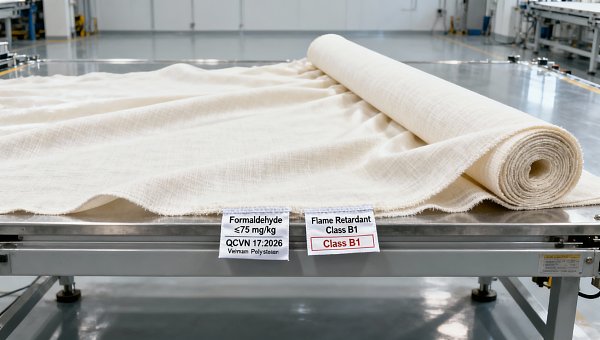
 Fabrics & YarnsVietnam Enforces QCVN 17:2026 for Wedding Photo BackdropsVietnam enforces QCVN 17:2026 for wedding photo backdrops—mandatory formaldehyde testing & B1 flame-retardant labeling. Ensure compliance now to avoid market access delays.Textile Industry AnalystMay 09, 2026
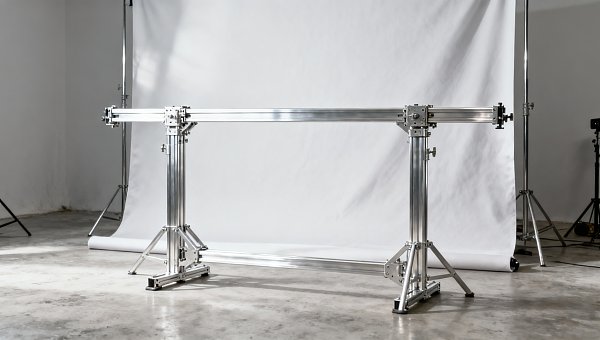
 Building HardwareIndia BIS Mandate: Aluminum Photo Backdrop Stands Must Pass Dual Testing by June 30, 2026Aluminum photo backdrop stands for wedding photography must pass BIS salt spray & load testing by June 30, 2026—secure certification now to avoid import bans in India.Tooling & Hardware LeadMay 09, 2026