Industry News
Curation by industry experts
Hot Articles
Popular Tags
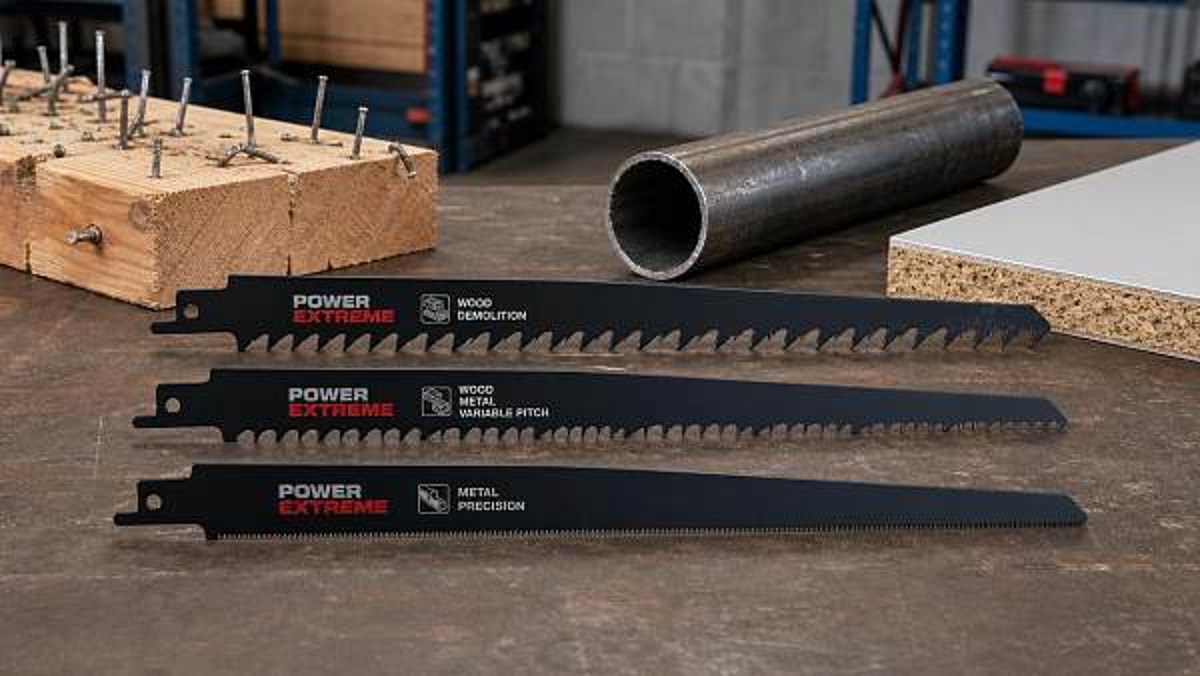
Reciprocating Saw Blades: Faster Demolition Starts With the Right Tooth Design
When demolition speed, cut quality, and tool control all matter, choosing the right reciprocating saw blades can make a major difference. Tooth design affects how fast a blade cuts, how cleanly it tracks through wood, metal, or mixed materials, and how long it lasts under pressure. For operators who want better performance on demanding jobs, understanding blade teeth is the first step to working faster and smarter.
Most users searching for reciprocating saw blades are not looking for theory alone. They want to know which blade cuts faster, which tooth pattern handles nails or metal without stalling, and how to avoid wasting time on blades that burn out too quickly. The short answer is simple: faster demolition starts when tooth design matches the material, the cut style, and the amount of control the job requires.
If you are cutting framing lumber with hidden nails, opening wall sections, slicing pipe, removing window frames, or tearing through mixed materials, the wrong blade can slow the tool down, shake the operator, and increase blade changes. The right blade reduces vibration, tracks more predictably, clears chips better, and gives you more work per blade. For operators, that means less fighting the saw and more productive cutting.
Why tooth design matters more than many operators think
Many users focus first on blade length or brand, but tooth design often has a bigger effect on real-world performance. Teeth determine how aggressively the blade bites, how smoothly it moves through material, how well it ejects debris, and how much heat builds during the cut. These factors directly affect speed and blade life.
In demolition, conditions are rarely clean or consistent. A cut may start in drywall, move into wood, hit embedded fasteners, then pass through insulation or thin sheet metal. A blade with the wrong tooth geometry can grab too hard, wander off line, clog with debris, or lose teeth quickly. That is why experienced operators often choose blades based on tooth pattern before they think about anything else.
Good tooth design is really a balance of three things: cutting aggression, control, and durability. A highly aggressive tooth may cut wood very fast, but it may also be rough in mixed material. A fine tooth blade may be smooth in metal, but it will feel slow in demolition lumber. The best choice depends on what you are cutting most often and what matters most on that task: speed, finish, flexibility, or longevity.
What the teeth on reciprocating saw blades actually tell you
To choose well, operators need to understand a few basic tooth features. These details are usually more useful than marketing claims because they relate directly to cutting behavior on the jobsite.
Teeth per inch, or TPI, is the most familiar specification. Low TPI blades have fewer, larger teeth. They cut faster and more aggressively in wood and soft materials. Higher TPI blades have more, smaller teeth. They cut slower but more smoothly, especially in metal. In simple terms, low TPI is for speed and heavy chip removal, while high TPI is for control and cleaner cutting in harder materials.
Tooth pitch refers to the spacing between teeth. Consistent pitch gives predictable performance, while variable pitch changes the spacing to reduce vibration and improve performance across different material thicknesses. Variable tooth designs are especially useful in demolition because they help the blade stay stable when material conditions change.
Tooth set describes how the teeth are angled. Some teeth are bent outward in alternating directions to create a wider kerf. This helps prevent binding and improves chip clearance. Other designs are ground more precisely for smoother cutting in metal. The tooth set can influence both speed and tracking.
Tooth shape and grind also matter. Sharp, aggressive tooth forms work well in wood. Stronger, more controlled shapes are better for metal or mixed use. Some blades are optimized to resist tooth stripping when they hit nails, screws, or harder sections of a cut.
Gullet size, the space between teeth, affects how easily debris clears from the cut. Large gullets are useful in wood demolition because they move chips out quickly. Smaller gullets are more common in fine cutting applications where smoothness matters more than raw speed.
How to choose tooth design based on the material you are cutting
The fastest blade is not always the one with the lowest TPI. It is the one designed for the material in front of you. Operators can avoid many common problems by matching tooth design to the actual cutting environment.
Wood demolition
For clean wood, lower TPI blades are usually the fastest option. They remove material quickly and keep the saw moving with less pressure from the operator. If the goal is rough demolition speed rather than a clean finish, coarse tooth designs are usually the best fit.
But clean wood is not the whole story. On renovation and teardown jobs, wood often contains nails, screws, or dense glue lines. In those cases, a blade meant only for fast wood cutting may lose teeth quickly. A demolition blade with a more durable tooth design and a moderate pitch is often a better overall choice because it trades a little pure speed for much longer service life.
Wood with nails or mixed construction materials
This is one of the most common and most demanding categories. Operators need a blade that can move through framing, nail-embedded lumber, composite materials, and other unpredictable layers without constant blade changes. Variable tooth patterns are valuable here because they reduce chatter and adapt better as the cut changes.
For this kind of work, mid-range tooth counts often perform better than very coarse blades. They still cut fast, but they offer more stability and better resistance when hitting metal. If your daily work involves tear-outs, remodeling, pallet breakdown, or exterior framing removal, this is often the most practical blade type to keep on hand.
Metal cutting
Metal requires finer teeth, especially when cutting thin stock. A higher TPI keeps more teeth in contact with the material, reducing snagging and tooth damage. Thin sheet metal can be especially hard on the wrong blade because coarse teeth tend to catch and strip. Fine tooth designs give better control and smoother penetration.
For thicker metal, a medium or variable TPI blade often works well. Too fine a tooth can slow the cut unnecessarily, while too coarse a tooth may be harsh and unstable. Pipe, conduit, angle iron, and structural fasteners all benefit from tooth designs that balance bite with durability.
Plastics, composites, and specialty materials
These materials vary widely, so the best tooth design depends on density, wall thickness, and heat sensitivity. A blade that is too aggressive may chip or melt certain materials. A more controlled tooth profile often works better when the operator needs cleaner results or reduced vibration. In uncertain conditions, starting with a versatile variable-tooth blade is often safer than choosing the most aggressive option.
Fast cutting versus controlled cutting: knowing what the job really needs
Operators often assume faster is always better, but the fastest blade on paper may not deliver the best productivity in the field. If a blade cuts aggressively but shakes the saw, jumps at the start, or binds in the kerf, the operator loses time regaining control. That can matter more than a few seconds of theoretical cutting speed.
Controlled cutting is especially important in overhead work, tight spaces, flush cuts, and situations where nearby materials must not be damaged. In these cases, a slightly less aggressive tooth design may allow the saw to track more steadily and reduce operator fatigue. Over a full shift, better control often translates into more accurate cuts, less rework, and fewer blade replacements.
For rough tear-out where finish quality does not matter, aggressive tooth designs usually make sense. For selective demolition, maintenance work, or cuts near finished surfaces, stability becomes more important. The best operators do not ask only, “Which blade cuts fastest?” They also ask, “Which blade helps me finish the job with fewer interruptions?”
Signs you are using the wrong reciprocating saw blade tooth design
Many jobsite frustrations point directly to a poor tooth match. If you know the warning signs, you can adjust sooner and save both time and blades.
If the blade bounces or chatters at the start of the cut, the tooth pattern may be too aggressive for the material, especially in metal or thin sections. If the blade cuts slowly while producing excessive heat, the teeth may be too fine for the material or already dull. If the blade grabs and stalls, the pitch may be too coarse or debris may not be clearing well.
Frequent tooth stripping usually means the blade is hitting harder material than it was designed for, or the tooth form is too aggressive for mixed demolition. Wandering cuts can indicate poor blade choice, too much flexibility for the application, or a tooth pattern that is not maintaining stable contact. Short blade life under normal use often points to using a specialized blade outside its intended material range.
When these problems appear repeatedly, changing tooth design is often more effective than simply changing brand. The material and the cut type should drive the decision.
How blade tooth design affects operator effort and safety
Performance is not only about speed. The right blade also reduces physical strain. A blade that tracks well requires less force from the operator. A design that clears chips efficiently is less likely to bind suddenly. More stable tooth engagement means less vibration transferred into the hands and arms.
That matters on long demolition sessions, repetitive cuts, or awkward working angles. Poor blade selection can make users push harder, twist the tool, or fight kick and deflection. This increases fatigue and can reduce control, especially when cutting above shoulder height or in unstable material.
A better-matched blade helps the saw do the work. In practical terms, that means smoother starts, more predictable feed, and fewer surprises when crossing different layers. From a safety perspective, predictable cutting behavior is a major advantage.
Practical selection tips for operators who want better field results
If you want to improve results with reciprocating saw blades, start by narrowing your blade choice around your most common material. Do not try to make one extreme tooth design handle every task. In most fleets or tool kits, it makes more sense to carry a small range: a fast wood blade, a durable demolition blade for wood with nails, and a finer metal-cutting blade.
Choose lower TPI for fast wood removal, mid-range or variable tooth designs for mixed demolition, and higher TPI for metal. If your work changes constantly during the day, versatile demolition blades with variable tooth spacing can offer the best balance of speed, control, and durability.
Pay attention to how the blade feels in the cut. A good blade should enter the material without excessive bouncing, maintain a steady pace without forcing, and leave a kerf that does not pinch badly around the blade. If you need to push hard to maintain progress, the blade is often wrong for the task.
Also think about blade life as part of productivity. A blade that cuts slightly slower but lasts through multiple materials may outperform a very fast blade that burns out after a few hard cuts. On demolition jobs, total output per blade is often more important than maximum speed in a single clean material.
What buyers and jobsite leads should look for when evaluating blade options
Even when the end user is the operator, purchasing choices affect performance. Blade labels should clearly identify intended materials, tooth count or range, and whether the design is optimized for wood, metal, or mixed demolition. Vague descriptions make field selection harder and increase the chance of misuse.
Look for product lines that separate applications logically rather than relying only on broad “general purpose” claims. Operators work faster when they can quickly identify which blade belongs to which material. Clear application fit reduces wasted blades and improves consistency across crews.
It is also worth comparing blades not just by piece price, but by cuts per blade, behavior in mixed materials, and how often users need to switch. For many users, the best value comes from blades that reduce downtime and maintain predictable cutting across varied demolition conditions.
Final takeaway: faster demolition starts with smarter tooth selection
The main lesson is straightforward: tooth design is not a minor detail. It is one of the biggest factors in how reciprocating saw blades perform in demolition, remodeling, and maintenance work. The right teeth help the blade cut faster, stay under control, resist damage, and last longer in demanding materials.
If you mostly cut clean wood, go with more aggressive teeth for speed. If you regularly hit nails, screws, and layered materials, use a tougher demolition blade with a more balanced or variable tooth pattern. If you cut metal, choose finer teeth that keep the blade stable and engaged. Matching blade teeth to the job will usually do more for productivity than pushing harder or replacing blades more often.
For operators, that means fewer interruptions, less fatigue, and more confidence in the cut. In real jobsite conditions, faster demolition does not come from brute force. It starts with choosing the tooth design that lets the saw work the way it should.
Recommended News
 Hand & Power ToolsReciprocating Saw Blades: Faster Demolition Starts With the Right Tooth DesignReciprocating saw blades work best when tooth design matches the job. Learn how to cut wood, metal, and mixed materials faster with better control, longer blade life, and fewer interruptions.Tooling & Hardware LeadMay 07, 2026
![]() Building HardwareStainless Steel Handrail Brackets for Coastal Projects: What to CheckStainless steel handrail brackets for coastal projects: learn what to check on grade, finish, fixings, and corrosion risk to avoid failures, ensure compliance, and choose with confidence.Tooling & Hardware LeadMay 07, 2026
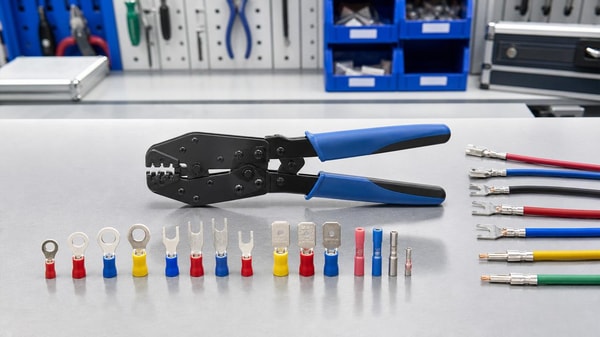
Building HardwareStainless Steel Handrail Brackets for Coastal Projects: What to CheckStainless steel handrail brackets for coastal projects: learn what to check on grade, finish, fixings, and corrosion risk to avoid failures, ensure compliance, and choose with confidence.Tooling & Hardware LeadMay 07, 2026 Hand & Power ToolsCrimping Tools Wholesale: How to Avoid Fit Issues Across TerminalsCrimping tools wholesale buyers: learn how to avoid terminal fit issues, compare key specs, and choose reliable suppliers to reduce rework, prevent failures, and improve repair consistency.Tooling & Hardware LeadMay 07, 2026
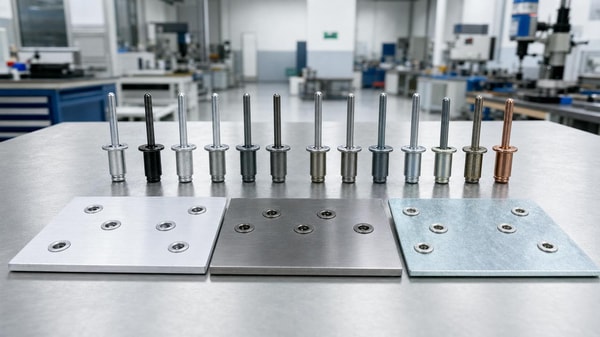
 Industrial FastenersBlind Rivets Wholesale: Material Matching Mistakes to AvoidBlind rivets wholesale buyers: avoid costly material matching mistakes. Learn how aluminum, steel, and stainless choices affect strength, corrosion, and long-term reliability.Tooling & Hardware LeadMay 07, 2026