Industry News
Curation by industry experts
Hot Articles
Popular Tags
Blind Rivets Wholesale: Material Matching Mistakes to Avoid
In blind rivets wholesale sourcing, material mismatches can quietly undermine joint strength, corrosion resistance, and long-term product reliability. For technical evaluators, understanding how rivet materials interact with base metals is essential to preventing costly failures and qualification delays. This article highlights the most common matching mistakes and what to check before approving a fastening solution.
Why does material matching matter so much in blind rivets wholesale?
In blind rivets wholesale programs, buyers often focus first on dimensions, grip range, and price. Those factors matter, but technical evaluation usually fails later for a different reason: the rivet body and mandrel were never properly matched to the parent materials. A blind rivet is not just a simple fastener. It becomes part of the joint system, carrying load, reacting to moisture, vibration, temperature swings, and chemical exposure over time.
When the rivet material is incompatible with the sheet, bracket, panel, or frame it joins, the result may include galvanic corrosion, reduced clamp force, deformation, cracking, staining, or premature pull-out. These failures are especially common in mixed-material assemblies such as aluminum-to-steel, stainless-to-coated steel, and plastic-to-metal combinations. In a wholesale environment, one wrong material assumption can affect multiple SKUs, multiple factories, and entire production batches.
For technical evaluators, the real challenge is that material mismatch is not always visible during early sampling. A rivet may install cleanly and still fail after field exposure. That is why blind rivets wholesale decisions should always consider base metal compatibility, coating integrity, environmental conditions, and service life expectations together rather than treating the rivet as an isolated commodity item.
What are the most common material matching mistakes buyers make?
The most frequent mistakes in blind rivets wholesale are not exotic engineering errors. They are usually practical sourcing shortcuts that ignore application detail. The following table summarizes the issues technical teams see most often during supplier review and incoming qualification.
A recurring blind rivets wholesale mistake is to treat corrosion resistance and mechanical strength as if they always improve together. They do not. Stainless steel may improve corrosion performance in one setting while increasing galvanic risk in another. Aluminum may match aluminum panels well but can become the weak point in structural or vibration-loaded assemblies. Technical review must therefore balance compatibility, strength, installation behavior, and lifecycle exposure rather than selecting by reputation alone.
How should technical evaluators compare aluminum, steel, and stainless blind rivets?
In blind rivets wholesale evaluation, the material family determines far more than purchase cost. It influences pull strength, corrosion pattern, installation force, hole expansion, and long-term reliability. A practical comparison helps avoid blanket assumptions.
Are aluminum blind rivets always the best match for aluminum sheets?
Aluminum blind rivets are often the preferred match for aluminum substrates because they reduce galvanic potential and are lightweight. They are common in HVAC panels, light enclosures, display fixtures, and transport interiors. However, they are not automatically suitable for every aluminum assembly. If the joint faces high clamp load, impact, repeated vibration, or thermal cycling, a soft aluminum rivet may relax or deform over time. Evaluators should confirm alloy grade, wall thickness, and whether the joint is cosmetic, structural, or semi-structural.
When are steel blind rivets a better option?
Steel blind rivets usually offer higher strength at a lower cost than stainless, making them common in general industrial assemblies, cabinets, brackets, and steel sheet products. In blind rivets wholesale, they are attractive for large-volume procurement where load requirements exceed what aluminum can provide. The problem is corrosion. If the steel rivet is installed into plated, painted, or outdoor-exposed assemblies, any breach in coating can create a localized rust path. Technical teams should check whether zinc-plated steel is enough for the service environment or whether sealed or upgraded finishes are required.
Is stainless steel the premium answer for every project?
Stainless blind rivets are widely chosen for demanding environments because they combine high strength with good corrosion resistance. They are common in food equipment, marine accessories, outdoor signage, and harsh industrial settings. Yet in blind rivets wholesale, stainless should not be specified by default. It can raise installation force, tool wear, and assembly time. More importantly, stainless in contact with less noble metals, especially aluminum, may accelerate corrosion when moisture and electrolytes are present. The technical question is not whether stainless is good, but whether it is good for that exact substrate and exposure profile.
What hidden risks are often overlooked beyond the rivet body material?
Many blind rivets wholesale discussions stop at “aluminum,” “steel,” or “stainless,” but that level is too broad for serious qualification. The complete fastening behavior depends on several overlooked details.
First, the mandrel material matters. A rivet body may be aluminum while the mandrel is steel. If the stem remains retained, that steel element can become a corrosion initiation point. Second, coatings and platings matter. Zinc, nickel, organic coatings, and passivation treatments all influence field performance, but only if they survive installation without excessive cracking or abrasion. Third, the joint stack matters. A fastener that works well in bare metal may perform poorly when compressing coated panels, painted layers, composites, or dissimilar sheets of uneven hardness.
Hole quality is another overlooked factor. Burrs, oversized holes, poor alignment, and damaged edges can remove coating protection and create micro-gaps where moisture accumulates. Even the best blind rivets wholesale choice can underperform if the installation process destroys the protective assumptions behind the material selection. For this reason, technical evaluators should review the full assembly route: drilling or punching method, edge treatment, surface preparation, riveting tool calibration, and post-install inspection criteria.
How can buyers judge application fit before approving a blind rivets wholesale order?
A reliable approval process starts with a short but disciplined application checklist. Instead of asking only for a quote, technical evaluators should request data that links rivet construction to service conditions. This is especially important when sourcing from multiple suppliers or qualifying alternative factories.
This process helps technical teams move from generic sourcing to controlled qualification. In blind rivets wholesale, application fit should be documented by sample testing under realistic conditions, not inferred from catalog descriptions. If the final product ships globally, include regional exposure differences such as coastal climates, industrial pollution, or cleaning chemical contact. These details often separate a durable fastening solution from a costly warranty issue.
What tests or documents should be requested from suppliers?
Technical evaluators should not rely only on nominal material labels. For blind rivets wholesale approval, request documentation that proves both composition and performance. At minimum, that includes material identification for rivet body and mandrel, dimensional data, grip range, head style, and mechanical test values such as tensile and shear performance. If corrosion resistance is part of the decision, ask what test method was used, how many hours were completed, and what failure criteria applied.
It is also valuable to review process consistency. Ask whether the supplier controls hardness, plating thickness, passivation, and mandrel break performance by lot. For critical programs, pilot-run samples should be installed on the actual production materials rather than generic lab coupons. A strong blind rivets wholesale supplier should be able to support cross-sections, installation recommendations, and practical substitution guidance when base materials change.
When possible, align your document request with your own approval gates: incoming inspection criteria, PPAP-style records if required, traceability expectations, and change notification procedures. This protects the sourcing team from silent material substitution after the first successful order.
How can procurement and engineering reduce mismatch risk without slowing sourcing?
The best blind rivets wholesale strategy is not to create a huge approved list. It is to create a controlled matching logic. Procurement can build sourcing efficiency by grouping applications into clear categories such as aluminum exterior panels, zinc-coated indoor steel assemblies, stainless-exposed outdoor hardware, and mixed-material decorative products. Engineering can then assign pre-approved rivet material combinations for each category.
This approach reduces repetitive debate and lowers the risk of ad hoc substitutions. It also makes supplier comparison easier because quotations can be benchmarked against the same technical baseline. For multi-factory operations, a shared blind rivets wholesale approval matrix can prevent one site from using a low-cost steel rivet where another site correctly uses aluminum or sealed stainless. Standardization only works, however, when it is based on real substrate compatibility instead of a one-material-fits-all policy.
What should be confirmed before moving forward with a specific fastening solution?
Before approving any blind rivets wholesale program, confirm five essentials: the exact base material combination, the rivet body and mandrel materials, the service environment, the joint load profile, and the verification method used to approve the match. If any of these are uncertain, the sourcing decision is still incomplete. Material matching mistakes rarely look dramatic during initial installation, but they often become expensive after shipping, field exposure, or line-scale rollout.
For technical evaluators, the goal is not simply to choose a rivet that fits the hole. It is to approve a fastening system that stays reliable across production variation and real-world use. If you need to confirm a specific blind rivets wholesale option, it is worth discussing parent materials, coating systems, retained mandrel design, target corrosion life, mechanical requirements, test plans, and acceptable substitution limits before finalizing price, lead time, or supplier allocation.
Recommended News
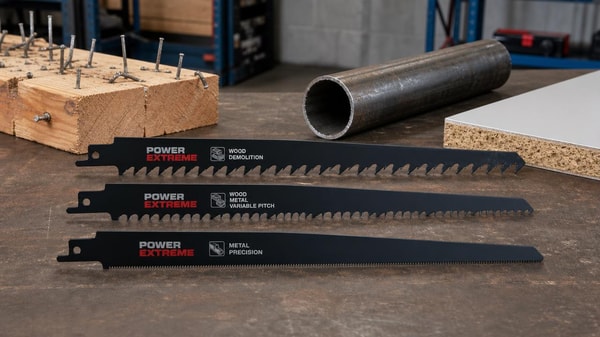
 Hand & Power ToolsReciprocating Saw Blades: Faster Demolition Starts With the Right Tooth DesignReciprocating saw blades work best when tooth design matches the job. Learn how to cut wood, metal, and mixed materials faster with better control, longer blade life, and fewer interruptions.Tooling & Hardware LeadMay 07, 2026
![]() Building HardwareStainless Steel Handrail Brackets for Coastal Projects: What to CheckStainless steel handrail brackets for coastal projects: learn what to check on grade, finish, fixings, and corrosion risk to avoid failures, ensure compliance, and choose with confidence.Tooling & Hardware LeadMay 07, 2026
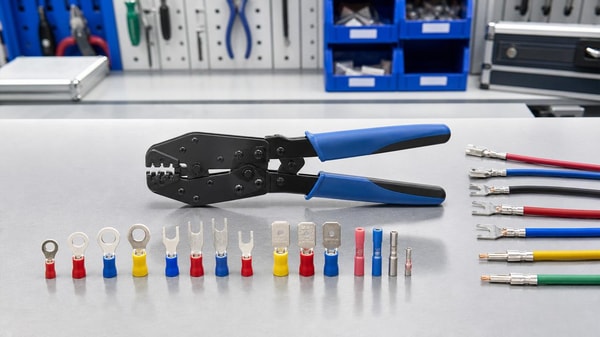
Building HardwareStainless Steel Handrail Brackets for Coastal Projects: What to CheckStainless steel handrail brackets for coastal projects: learn what to check on grade, finish, fixings, and corrosion risk to avoid failures, ensure compliance, and choose with confidence.Tooling & Hardware LeadMay 07, 2026 Hand & Power ToolsCrimping Tools Wholesale: How to Avoid Fit Issues Across TerminalsCrimping tools wholesale buyers: learn how to avoid terminal fit issues, compare key specs, and choose reliable suppliers to reduce rework, prevent failures, and improve repair consistency.Tooling & Hardware LeadMay 07, 2026
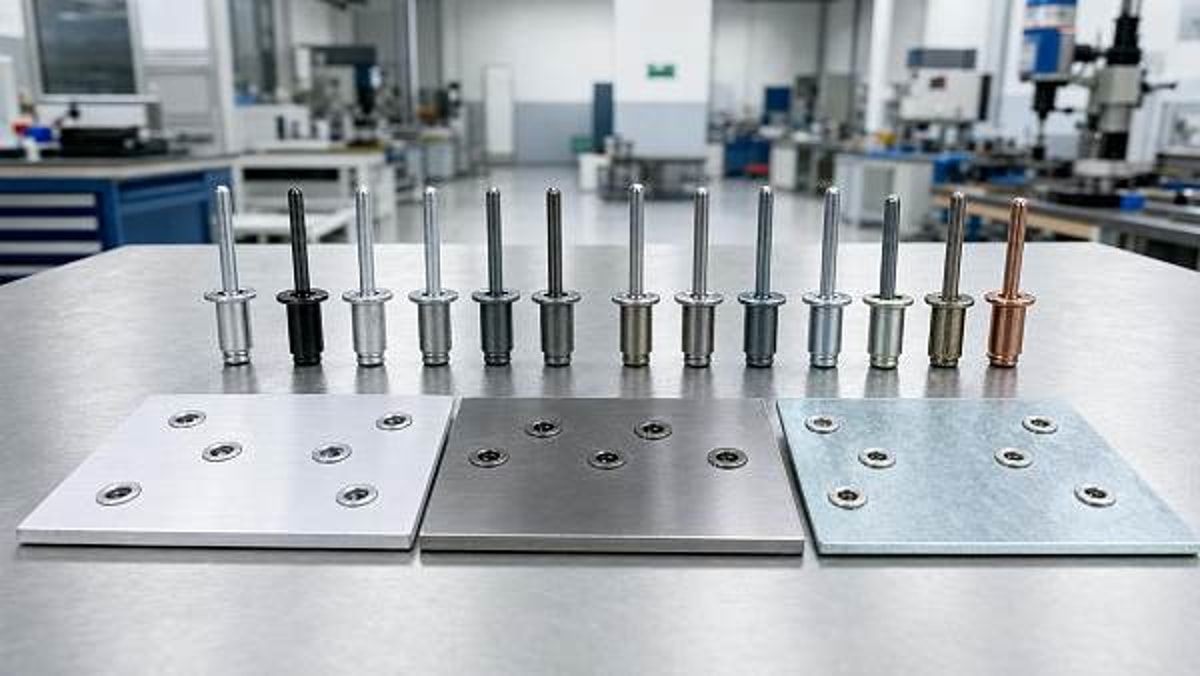
 Industrial FastenersBlind Rivets Wholesale: Material Matching Mistakes to AvoidBlind rivets wholesale buyers: avoid costly material matching mistakes. Learn how aluminum, steel, and stainless choices affect strength, corrosion, and long-term reliability.Tooling & Hardware LeadMay 07, 2026