Industry News
Curation by industry experts
Hot Articles
Popular Tags
Wholesale Tool Bags: Which Designs Lower Replacement Frequency
For finance approvers, replacement costs can quietly erode procurement value over time. When evaluating wholesale tool bags, design is not just a usability issue—it directly affects durability, lifecycle spend, and reorder frequency. This article examines which structural features, material choices, and construction details help lower replacement rates, enabling smarter purchasing decisions with stronger long-term cost control.
Why replacement frequency matters more than unit price
For budget owners, the lowest quoted price on a tool bag rarely represents the lowest actual cost. In most industrial, maintenance, field service, and contractor environments, replacement frequency drives hidden spend through repeat purchasing, downtime, lost tools, and admin effort. A cheaper bag that fails in six months can cost far more than a better-built option that lasts two years.
This is why the core buying question is not simply which wholesale tool bags are affordable, but which designs reduce failure under real working conditions. Finance approvers usually care less about style and more about predictable lifecycle performance. The right design lowers reorder volume, stabilizes operating budgets, and reduces the friction of unplanned replacement requests.
In practical terms, the designs that lower replacement frequency tend to share the same traits: reinforced stress points, abrasion-resistant base materials, structured load distribution, durable zipper or closure systems, and handle or strap construction that can survive repetitive lifting. These are not premium add-ons. They are cost-control features.
What finance approvers should evaluate before approving a bulk order
Procurement teams may focus on product specifications, but finance approvers need a simpler framework: what features most directly affect service life, how failure creates cost, and which construction details justify a higher unit price. The goal is to approve products that produce lower annual replacement spend, not just lower invoice totals.
There are five practical questions worth asking before signing off on a bulk tool bag purchase. First, where do current bags fail most often: base wear, zipper breakage, torn handles, seam splitting, or water damage? Second, are bags used in light-duty, technician, maintenance, or heavy trade environments? Third, is the bag carrying sharp metal tools or lighter instruments? Fourth, what is the expected service life per user? Fifth, can the supplier document material and construction consistency across batches?
These questions help connect product design with financial outcomes. Without them, decisions become overly dependent on catalog descriptions or supplier pricing claims. For buyers managing larger fleets of workers, even a small improvement in durability can create meaningful savings at scale.
Which tool bag designs usually last longer in commercial use
Not every tool bag format performs equally under frequent commercial handling. Open-top totes, soft-sided zippered bags, hard-bottom technician bags, backpack-style tool carriers, and roller tool bags each have different wear patterns. The best choice depends on how tools are stored, moved, and accessed.
For many professional users, hard-bottom or reinforced-bottom soft bags deliver the strongest balance between usability and longevity. The reason is straightforward: the base is usually the first high-wear area. Bags are dragged across concrete, placed on wet floors, loaded into vehicles, and exposed to rough surfaces. A rigid or heavily reinforced base helps prevent puncture, edge fraying, moisture intrusion, and distortion over time.
Zippered soft-sided bags can also perform well, especially for enclosed storage and transport. However, their lifespan depends heavily on zipper quality, panel reinforcement, and how much weight users carry. If overloaded regularly, these bags often fail at the zipper track, end seams, or top handle connections.
Open-top totes can work for fast-access applications, but they are more exposed to environmental wear and may deform faster if sidewalls lack structure. Backpack-style designs can reduce strain on users and improve transport efficiency, yet they require stronger shoulder strap anchor points and back-panel reinforcement to avoid premature failure.
From a finance perspective, the longest-lasting design is usually not the most complex one. It is the one best aligned with the load profile, movement frequency, and work environment.
The structural features most closely linked to lower replacement rates
If the objective is reducing replacement frequency, several structural features deserve priority during supplier evaluation. These features consistently influence durability more than cosmetic details or branding.
Reinforced bottom panels are one of the most important. Whether made with molded plastic, rubberized composite, or layered high-denier fabric with internal support, a strong base protects against abrasion and deformation. This is especially important for users who set bags down repeatedly on rough or damp surfaces.
Bar-tacked handles and strap anchor points are another major durability factor. Handles experience concentrated stress every time a loaded bag is lifted. If the stitching pattern is shallow or the anchor area is not reinforced with webbing and patch layers, failure can happen quickly. Broken handles are one of the most common reasons bags are replaced earlier than expected.
Double stitching at seams improves resistance to seam separation, especially when tool weight pushes outward from internal compartments. Single-stitched seams may be acceptable in light-duty use, but for trade applications, reinforced seams generally offer better lifecycle performance.
Rigid or semi-rigid frame support can also extend service life. Structure helps the bag hold its shape, reduces sagging, and distributes internal pressure more evenly. This matters when carrying metal hand tools, testers, or fastener kits that create repeated point stress.
Protective feet or skid pads are often overlooked, but they can significantly reduce base wear by lifting the fabric slightly off the ground. In environments with moisture, oil, dust, or abrasive flooring, this feature can slow external damage and reduce cleaning issues.
Why material selection affects total cost of ownership
Material choice is one of the clearest predictors of how often a bag will need replacement. For finance approvers, this means material specifications should be treated as cost indicators, not technical trivia.
In many wholesale tool bags, polyester and nylon are the most common body materials. Higher-denier fabrics generally offer better tear and abrasion resistance, but fabric weight alone does not guarantee better performance. Coating quality, weave density, and reinforcement layers matter as much as nominal thickness.
Ballistic nylon and other heavy-duty synthetics often perform well in demanding conditions because they resist abrasion and tearing. Thick polyester can also be cost-effective when paired with proper seam construction and base reinforcement. For wet or dirty environments, water-resistant coatings and easy-clean surfaces can reduce deterioration and improve usable life.
Interior lining material also matters. Thin, loosely attached linings can tear and bunch under tool movement, making compartments less functional over time. By contrast, well-secured internal fabrics and pocket edges resist wear from repeated insertion of screwdrivers, pliers, and measuring devices.
For some buyers, the right decision is not simply choosing the heaviest fabric available. Overbuilt materials may raise unit cost unnecessarily if the application is moderate-duty. The best value comes from matching the material system to actual field use rather than buying either the cheapest or the most extreme specification.
Zippers, closures, and hardware: small parts that cause big replacement costs
Many tool bags are replaced not because the main body fails, but because a small component makes the whole bag unusable. Zippers, buckles, D-rings, clips, and metal hardware often determine whether a bag remains serviceable after months of repeated opening, loading, and transport.
Heavy-duty zipper systems deserve special attention. Large-gauge zippers, smooth tracks, reinforced zipper ends, and robust pull tabs are essential in enclosed bags. Failure often starts when the zipper is forced over bulging contents, catches on frayed fabric, or separates due to poor alignment. Once this happens, users may stop using the bag even if the rest of the structure remains intact.
Metal hardware can improve durability, but only if corrosion resistance and load handling are adequate. In damp or outdoor conditions, low-grade metal parts may rust, jam, or stain surrounding fabric. Strong polymer hardware can sometimes be more reliable in specific environments, especially where corrosion or weight reduction matters.
For finance teams, these details are important because hardware failures tend to cause early replacement despite a low apparent material cost. Asking suppliers for hardware specifications and test data can reveal whether a product is built for repetitive commercial use or only for light retail demand.
How internal layout influences durability as well as usability
Internal organization is often discussed as a convenience feature, but it also affects lifespan. Poorly designed compartments allow tools to shift, collide, and create concentrated stress on seams, pocket openings, and the base panel. Over time, that internal movement accelerates wear.
Bags with segmented storage, reinforced pockets, elastic retention loops, and weight-balanced layouts usually hold up better because they distribute load more evenly. When heavy tools sit loosely in one corner, one area of the bag absorbs repeated impact. This creates distortion and can lead to puncture or tearing.
Pocket edge binding is another useful detail. Tools with sharp edges can quickly fray unprotected pocket openings. If the bag is intended for electricians, maintenance technicians, installers, or mechanics, internal reinforcement becomes especially valuable.
For approval purposes, the takeaway is simple: organized interiors do more than improve worker efficiency. They reduce structural stress and can contribute to longer replacement cycles.
How to compare supplier claims with real durability risk
Suppliers often describe their bags as heavy-duty, industrial, or professional grade, but these labels are not enough for financial decision-making. A more reliable approach is to evaluate whether durability claims are backed by construction details, test methods, and consistency controls.
Ask for close-up images or samples showing stitching density, base construction, handle attachment, zipper finishing, and internal reinforcement. Request specifications for fabric denier, coating type, hardware composition, and load recommendations. If possible, ask whether the design has passed abrasion, tear, drop, or load-cycle testing.
It is also wise to review defect patterns from prior orders. If a supplier can identify common failure points and show how the design has been improved, that is often a stronger trust signal than generic marketing language. For repeat procurement, manufacturing consistency matters as much as initial sample quality.
In B2B purchasing, the lowest replacement frequency usually comes from suppliers that can explain why the bag is built a certain way, not just what it looks like in a catalog.
A simple cost model for finance teams evaluating wholesale tool bags
To make a better approval decision, compare products on annualized cost instead of unit price alone. A practical formula is: total purchase cost plus replacement cost plus downtime impact plus administrative handling cost over the expected use period.
For example, suppose Bag A costs $14 and lasts 8 months, while Bag B costs $20 and lasts 18 months. On unit price alone, Bag A looks attractive. But over 36 months, one worker may need four to five units of Bag A versus two units of Bag B. The second option may lower not only product spend, but also ordering frequency, distribution effort, and disruption in the field.
If the workforce is large, these differences scale quickly. Across 500 users, even a modest reduction in annual replacement rate can create substantial savings. This is why design features that improve durability should be evaluated as investment levers rather than procurement extras.
For finance approvers, a good purchasing decision is one that produces stable service life, fewer urgent replacements, and a clearer total cost profile across the budget cycle.
Which designs are best for different operating environments
There is no universal best design for every buyer. Lower replacement frequency depends on matching design to use case. For light technician kits used indoors, a medium-duty zippered bag with reinforced handle points may be sufficient. For maintenance crews in industrial facilities, a hard-bottom bag with abrasion-resistant fabric and strong zipper hardware is often a better fit.
For mobile service teams frequently climbing stairs or moving across large sites, backpack-style tool bags can be a smart choice if strap anchors and back panels are heavily reinforced. For wet, dirty, or outdoor conditions, elevated feet, water-resistant materials, and corrosion-resistant hardware become more important than visual appearance.
Where tools are especially heavy or sharp, buyers should prioritize rigid structure, reinforced pocketing, and stronger base support. In these cases, under-specification almost always leads to faster failure and more frequent repurchasing.
What a strong approval decision looks like
A sound approval decision for wholesale tool bags is based on expected replacement interval, failure-point prevention, and suitability for the actual work environment. The most durable option is not always the most expensive, but it is rarely the one evaluated on price alone.
Finance approvers should look for a combination of reinforced bottoms, durable seam construction, strong handle anchoring, reliable closures, and materials suited to the load and environment. They should also ask whether the internal layout supports tool stability and whether the supplier can demonstrate manufacturing consistency over time.
When these design factors are properly assessed, procurement shifts from reactive replacement buying to controlled lifecycle purchasing. That is where real savings appear—not in the cheapest initial order, but in fewer failures, fewer reorders, and better long-term budget performance.
Conclusion
If the goal is to lower replacement frequency, the best tool bag designs are those that protect high-stress areas, distribute load effectively, and use materials and hardware matched to real jobsite conditions. For finance approvers, this means treating design as a measurable cost variable rather than a secondary product detail.
In most cases, the strongest value in wholesale tool bags comes from reinforced-bottom designs, durable handle construction, reliable closures, and organized interiors that reduce internal stress. Approving bags on these criteria can reduce lifecycle spend, improve procurement predictability, and deliver stronger return on every bulk purchase.
Recommended News
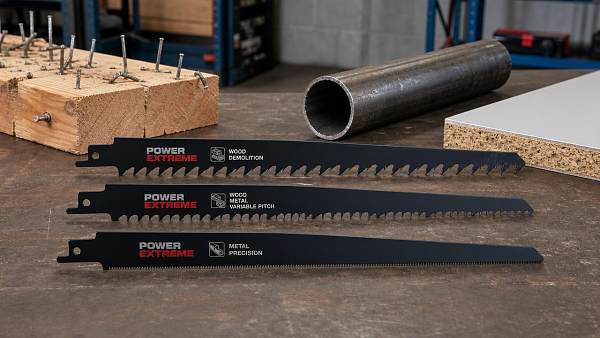
 Hand & Power ToolsReciprocating Saw Blades: Faster Demolition Starts With the Right Tooth DesignReciprocating saw blades work best when tooth design matches the job. Learn how to cut wood, metal, and mixed materials faster with better control, longer blade life, and fewer interruptions.Tooling & Hardware LeadMay 07, 2026
![]() Building HardwareStainless Steel Handrail Brackets for Coastal Projects: What to CheckStainless steel handrail brackets for coastal projects: learn what to check on grade, finish, fixings, and corrosion risk to avoid failures, ensure compliance, and choose with confidence.Tooling & Hardware LeadMay 07, 2026
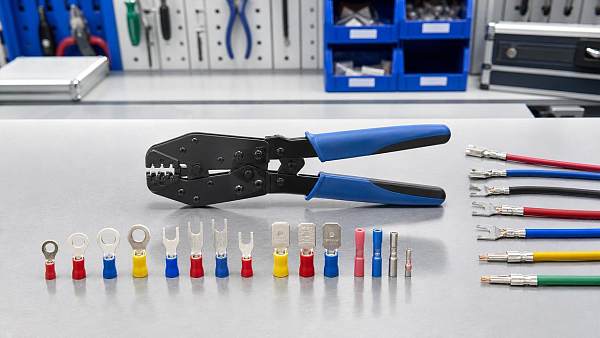
Building HardwareStainless Steel Handrail Brackets for Coastal Projects: What to CheckStainless steel handrail brackets for coastal projects: learn what to check on grade, finish, fixings, and corrosion risk to avoid failures, ensure compliance, and choose with confidence.Tooling & Hardware LeadMay 07, 2026 Hand & Power ToolsCrimping Tools Wholesale: How to Avoid Fit Issues Across TerminalsCrimping tools wholesale buyers: learn how to avoid terminal fit issues, compare key specs, and choose reliable suppliers to reduce rework, prevent failures, and improve repair consistency.Tooling & Hardware LeadMay 07, 2026
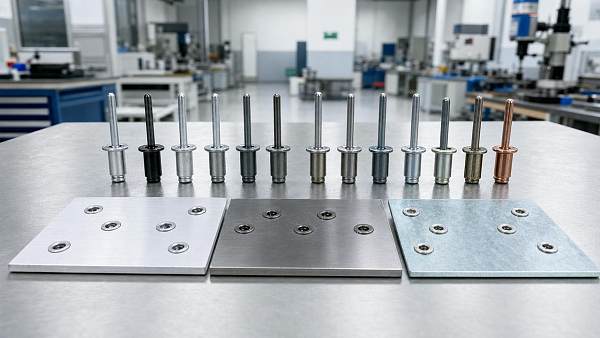
 Industrial FastenersBlind Rivets Wholesale: Material Matching Mistakes to AvoidBlind rivets wholesale buyers: avoid costly material matching mistakes. Learn how aluminum, steel, and stainless choices affect strength, corrosion, and long-term reliability.Tooling & Hardware LeadMay 07, 2026