Industry News
Curation by industry experts
Hot Articles
Popular Tags
Wholesale Hand Saws: Tooth Patterns for Wood, Plastic, and Drywall
Choosing the right wholesale hand saws starts with understanding tooth patterns and how they perform on wood, plastic, and drywall. For procurement professionals, the right specification can reduce waste, improve cutting efficiency, and match end-user expectations across multiple applications. This guide outlines the key tooth designs, material compatibility, and sourcing considerations that matter when evaluating suppliers and product lines.
In hardware distribution, retail sourcing, and project supply, hand saw selection is rarely a one-SKU decision. Buyers often need 3 to 5 variants that cover general carpentry, fine finish work, PVC cutting, and gypsum board installation. A mismatch between tooth geometry and target material can lead to rough edges, slower cycle times, and higher product returns.
For B2B procurement teams, the evaluation process should go beyond unit price. Blade length, teeth per inch, tooth set, hardening method, handle construction, and packaging format all affect total value. When reviewing wholesale hand saws, the most reliable sourcing outcomes usually come from aligning tooth pattern design with end-use conditions, expected cut quality, and channel requirements.
Why Tooth Pattern Matters in Wholesale Hand Saws
Tooth pattern is the core performance factor in a manual saw. It determines how aggressively the blade removes material, how cleanly it leaves the cut edge, and how much operator effort is required over 10, 20, or 50 repetitive cuts per shift. In procurement terms, the wrong tooth pattern creates downstream complaints even when the steel quality appears acceptable.
The 4 tooth variables buyers should review
- Teeth per inch (TPI): common ranges include 7–9 TPI for faster wood cutting and 10–14 TPI for finer cuts in plastic or trim work.
- Tooth shape: crosscut, rip, universal, and fine-point patterns each serve different material behaviors.
- Tooth set: alternating or triple-ground teeth affect kerf width, dust clearance, and cut smoothness.
- Hardening level: impulse-hardened teeth often extend service life by 3–5 times in routine site use, though they are usually not re-sharpenable.
A wholesale buyer supplying construction distributors may prefer universal tooth patterns for broad turnover. By contrast, a procurement manager serving specialist installers may need separate SKUs for timber, PVC conduit, and drywall access work. This distinction matters because one all-purpose line may improve inventory simplicity, but it can reduce user satisfaction in more technical applications.
Speed versus finish quality
Lower TPI generally cuts faster because each tooth removes more material. However, it often leaves a rougher surface and raises splinter risk on softwood or laminated boards. Higher TPI usually gives a cleaner finish, but cut speed may drop by 15% to 30% depending on material thickness and user technique. For wholesale hand saws, this trade-off should be stated clearly in product specifications and carton labeling.
The table below summarizes how common tooth patterns typically perform across wood, plastic, and drywall applications. These are practical procurement reference points rather than fixed rules, since blade thickness and steel quality also affect results.
From a sourcing perspective, crosscut and universal designs cover the highest-volume demand in many hardware channels. Fine-point patterns become more important when supplying maintenance contractors, fit-out teams, or drywall installers who value smoother edge control over raw speed. This is why many successful wholesale hand saws programs balance 2 high-volume SKUs with 1 or 2 niche variants.
Matching Tooth Patterns to Wood, Plastic, and Drywall
Material compatibility should guide your SKU list. Wood, plastic, and drywall behave differently under hand pressure, and each material responds to tooth shape, pitch, and gullet depth in its own way. Procurement teams that classify demand by material category often reduce duplicate inventory and improve order accuracy within 1 or 2 buying cycles.
Wood applications
For softwood framing, pallets, and general carpentry, 7–9 TPI crosscut or universal teeth are common choices. They offer a workable balance of speed and control on boards from 15 mm to 50 mm thick. If end users cut hardwood or require cleaner trim edges, moving toward 10–11 TPI can improve finish quality while keeping manual effort manageable.
Wood also introduces grain direction as a practical variable. Rip-style teeth work faster along the grain, but many trade buyers prefer crosscut or universal patterns because field conditions are mixed. In wholesale hand saws, this often makes universal tooth blades more commercially flexible for builders’ merchants and general-purpose hardware importers.
Plastic applications
Plastic requires more control than many buyers expect. Aggressive low-TPI teeth can chip rigid PVC, snag thin wall tubing, or leave burrs that increase finishing time. For common plastics such as PVC trim, conduit, and light polymer sheet, 10–14 TPI fine-point or triple-ground patterns are often better suited, especially when the material thickness is below 6 mm.
Procurement teams serving MRO distributors should ask suppliers whether the saw geometry is intended for brittle plastics, flexible plastics, or mixed-use site work. A saw marketed simply as multi-material may perform acceptably on 2 materials and poorly on the third. This is one of the most frequent causes of mismatch in wholesale hand saws buying programs.
Drywall applications
Drywall sawing is less about long straight cuts and more about fast penetration, outlet openings, and repair access. Pointed jab saws and fine-to-medium tooth patterns are commonly used here. Teeth must clear gypsum dust efficiently without tearing the paper face too severely. In many practical settings, blade lengths of 150 mm to 180 mm are easier to control than full-size carpenter saws.
If your product line includes drywall tools, buyers should evaluate whether the supplier offers sharpened starter points, anti-slip handles, and sheath or hanging-card packaging. These details matter in professional channels where installers may use the tool repeatedly over 6 to 12 months rather than treating it as a disposable accessory.
The next table compares material-specific selection logic in a format useful for category planning and supplier review.
This comparison shows that material-fit is often more important than trying to force one design across every use case. For procurement teams, the best-performing range usually combines at least 1 general-purpose saw, 1 fine-cut plastic-capable option, and 1 drywall-specific format where construction channels justify the volume.
Key Sourcing Criteria Beyond Tooth Design
While tooth pattern drives cutting behavior, supplier evaluation should include several other technical and commercial checkpoints. In wholesale hand saws, product complaints are often linked to handle weakness, inconsistent tooth grinding, poor packaging protection, or blade straightness issues rather than tooth design alone.
Blade material and straightness
Buyers should verify the type of steel used, the blade thickness range, and the consistency of heat treatment. A blade that flexes excessively can wander off-line, while one that is too rigid may feel uncomfortable in fast site work. In many market segments, blade thickness falls within a practical range of about 0.8 mm to 1.2 mm depending on saw type.
Handle ergonomics and attachment
A comfortable handle affects user control more than some procurement teams assume. For trade channels, two-component handles and secure screw or rivet fixing can improve perceived value. For budget retail lines, a simpler molded handle may be acceptable if joint stability is consistent over repeated use. Sampling at 10 to 20 units per pre-production batch can reveal fit and finish variation early.
Packaging, labeling, and channel fit
Packaging should match the sales environment. Hanging cards may work for retail stores, inner cartons for distributor bulk supply, and protective sleeves for e-commerce. Carton markings should identify TPI, blade length, intended materials, and country-specific labeling requirements. Even a well-made saw can underperform commercially if buyers cannot distinguish wood, plastic, and drywall variants at the point of sale.
6-point supplier review checklist
- Confirm tooth pattern and TPI match the target materials.
- Request blade straightness and finish samples from at least 2 production lots.
- Check handle attachment security under repetitive use.
- Review packaging durability for sea freight and warehouse handling.
- Clarify MOQ, which may range from 500 to 3,000 pieces per SKU depending on packaging complexity.
- Agree on lead time windows, commonly 20–45 days for standard models and longer for private label orders.
For sourcing managers using GSR-style intelligence methods, these checkpoints help connect product design with channel outcomes. A supplier offering competitive pricing but weak lot consistency may increase hidden costs through inspection delays, repacking, and claims management. That is why wholesale hand saws should be assessed as a category system rather than as an isolated per-piece purchase.
Common Buying Mistakes and How to Avoid Them
Even experienced buyers can misread end-user demand when hand tools are bundled into wider hardware programs. The most common issue is oversimplification: assuming one tooth pattern is sufficient for every material. This may reduce SKU count in the short term, but it can weaken repeat orders if installers and resellers do not get reliable field performance.
Mistake 1: Buying only on price per unit
A low-cost saw may look competitive in a spreadsheet, yet short blade life, uneven sharpening, or poor handle fit can erase that advantage quickly. If failure or dissatisfaction appears after just 2 to 4 weeks of regular use, the total cost of replacement, returns, and reputation damage can exceed the original savings.
Mistake 2: Ignoring application-specific packaging
Bulk buyers often focus on the tool and overlook the selling environment. A drywall jab saw aimed at contractors may need sheath protection, while a universal timber saw for chain retail may need clear front-card specifications. Packaging that fails during transport or does not communicate intended use can lower sell-through rates even when the tool itself is sound.
Mistake 3: Skipping sample validation across materials
A saw that cuts softwood well may not produce acceptable edges on PVC. Before placing larger orders, buyers should test at least 3 materials representative of their market mix and document cut speed, edge quality, and user feedback. A simple field trial of 5 to 10 samples per SKU can prevent costly misalignment in the next container shipment.
Practical procurement advice
If demand data is limited, start with a narrow range: one 8–10 TPI universal wood saw, one 10–14 TPI fine-cut saw for plastic, and one drywall jab saw. Review reorder velocity over one quarter, then expand only where sell-through, contractor feedback, or distributor requests justify another specification. This staged approach reduces dead stock and improves assortment discipline.
Building a More Reliable Wholesale Hand Saws Program
A strong procurement program balances technical suitability, supplier reliability, and market clarity. In practical terms, that means defining the intended material set, selecting tooth patterns accordingly, validating samples, and confirming packaging and lead times before scaling up. These steps are especially important for importers, distributors, and project suppliers serving mixed construction and maintenance channels.
For many buyers, the most effective product mix includes 3 layers: a mainstream general-use saw, a cleaner-cut option for plastics and finish work, and a dedicated drywall format. That structure supports both volume efficiency and application-specific credibility. It also gives sales teams clearer positioning when presenting wholesale hand saws to merchants, contractors, and industrial customers.
Global Supply Review supports procurement professionals by turning category-level sourcing questions into practical decision frameworks. If you are comparing suppliers, planning a private label range, or refining your hardware assortment, a clearer tooth-pattern strategy can improve product-market fit and reduce avoidable purchasing risk. Contact us to discuss sourcing priorities, request a tailored product evaluation framework, or explore more solutions for wholesale hand saws and related hardware categories.
Recommended News
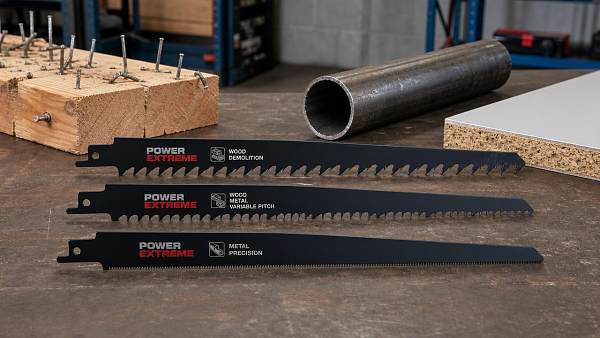
 Hand & Power ToolsReciprocating Saw Blades: Faster Demolition Starts With the Right Tooth DesignReciprocating saw blades work best when tooth design matches the job. Learn how to cut wood, metal, and mixed materials faster with better control, longer blade life, and fewer interruptions.Tooling & Hardware LeadMay 07, 2026
![]() Building HardwareStainless Steel Handrail Brackets for Coastal Projects: What to CheckStainless steel handrail brackets for coastal projects: learn what to check on grade, finish, fixings, and corrosion risk to avoid failures, ensure compliance, and choose with confidence.Tooling & Hardware LeadMay 07, 2026
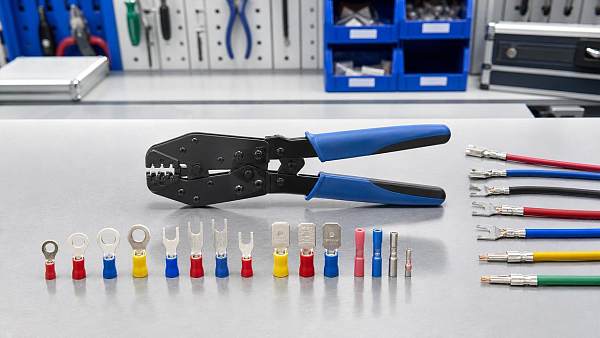
Building HardwareStainless Steel Handrail Brackets for Coastal Projects: What to CheckStainless steel handrail brackets for coastal projects: learn what to check on grade, finish, fixings, and corrosion risk to avoid failures, ensure compliance, and choose with confidence.Tooling & Hardware LeadMay 07, 2026 Hand & Power ToolsCrimping Tools Wholesale: How to Avoid Fit Issues Across TerminalsCrimping tools wholesale buyers: learn how to avoid terminal fit issues, compare key specs, and choose reliable suppliers to reduce rework, prevent failures, and improve repair consistency.Tooling & Hardware LeadMay 07, 2026
 Industrial FastenersBlind Rivets Wholesale: Material Matching Mistakes to AvoidBlind rivets wholesale buyers: avoid costly material matching mistakes. Learn how aluminum, steel, and stainless choices affect strength, corrosion, and long-term reliability.Tooling & Hardware LeadMay 07, 2026