Industry News
Curation by industry experts
Hot Articles
Popular Tags
LED Track Lighting Systems for Retail: Layout Tips That Work
For project managers and engineering leads, choosing the right LED track lighting systems can directly impact retail visibility, energy efficiency, and installation flexibility. A well-planned layout does more than brighten products—it guides customer attention, supports brand presentation, and reduces costly redesigns. This article explores practical layout tips that work in real retail environments, helping you balance performance, aesthetics, and project execution with confidence.
In retail fit-out projects, lighting often sits at the intersection of design intent, procurement control, electrical coordination, and long-term operating cost. That makes LED track lighting systems especially relevant for teams responsible for rollout consistency across single stores, regional chains, or mixed-format commercial spaces. The layout decisions made in the design phase can influence fixture counts, beam performance, maintenance access, power loading, and even customer dwell time.
From a sourcing and execution perspective, the most effective retail lighting plan is not necessarily the most complex one. It is the one that matches merchandise zones, ceiling conditions, and reconfiguration needs with a practical track layout, the right wattage range, and a serviceable control strategy. For B2B buyers and project leaders working with international suppliers, this also means evaluating lead times, compatibility standards, and installation tolerances before procurement is locked.
Why Layout Planning Matters More Than Fixture Count
Many retail teams begin by comparing lumens, wattage, or unit cost, but layout planning is the factor that determines whether those specifications perform well on site. In stores between 80 and 500 square meters, the same number of fixtures can produce very different results depending on track spacing, aiming angles, display density, and ceiling height. A poor layout often leads to glare, uneven focal points, and expensive re-aiming during handover.
LED track lighting systems are widely used because they support directional lighting, modular expansion, and seasonal changes in visual merchandising. For project managers, that flexibility reduces the risk of obsolescence. For engineering leads, it allows better coordination with existing ceiling grids, sprinkler heads, HVAC routes, and emergency systems. In practical terms, a layout that works on paper should also remain workable after signage, shelving, and cash desk placement are finalized.
Three Core Objectives of a Retail Track Lighting Layout
- Support product visibility with accent-to-ambient contrast, often within a 3:1 to 5:1 range for key merchandise zones.
- Maintain visual comfort by limiting direct glare in high-traffic sightlines, especially below 3.5-meter ceilings.
- Allow repositioning within 1 to 2 merchandising cycles without rewiring or ceiling reconstruction.
What project teams commonly underestimate
The most common oversight is assuming uniform spacing will solve every retail condition. In reality, perimeter shelving, feature tables, mannequins, and checkout counters all require different beam spreads and aiming priorities. A luxury display wall may need 24 to 36 degree optics, while open circulation zones may perform better with wider 36 to 60 degree distributions. When these zones are treated the same, either merchandise looks flat or the aisle becomes overlit.
Before selecting a final bill of materials, it helps to define the main retail zones and the lighting intent behind each one. The table below gives a practical framework that project teams can use during early coordination and supplier comparison.
The key takeaway is that LED track lighting systems perform best when each zone has a defined visual purpose. That approach gives procurement teams a clearer specification basis and reduces the chance of over-ordering fixtures to compensate for a weak layout concept.
Practical Layout Tips That Work in Real Retail Environments
A successful layout starts with the ceiling plan but should end with the customer path. In most retail projects, visitors decide where to look within the first 3 to 7 seconds after entering the store. That means the first lighting layer should reinforce the main sightline, not simply follow the architectural grid. LED track lighting systems give teams the flexibility to build these focal sequences without changing the full ceiling design.
Tip 1: Align track runs with merchandise logic, not only room geometry
Straight, parallel track lines are easy to install, but they are not always the most effective. If the store plan includes category zones, promotional islands, and feature walls, the track layout should respond to those commercial anchors. In a store with 3 major selling areas, it is often more efficient to divide the lighting into 3 functional circuits than to create one continuous track pattern that treats all areas equally.
Tip 2: Match beam angle to display depth
Beam angle selection directly affects whether products read as crisp and dimensional or washed out and inconsistent. As a working guideline, narrow beams in the 15 to 24 degree range suit mannequins, brand signage, and hero products. Medium beams around 24 to 36 degrees fit most shelving and wall presentations. Wider beams from 36 to 60 degrees are typically better for open tables, broad product groupings, and general layer support.
Aiming matters as much as spacing
For vertical displays, an aiming angle of roughly 30 degrees from vertical often helps balance brightness and glare control. If the angle is too steep, upper shelves dominate and lower products look dull. If too shallow, customer-facing glare becomes more likely. During mock-up review, even a 10-degree adjustment can materially change how merchandise textures and colors are perceived.
Tip 3: Use layered lighting instead of trying to make every fixture do everything
In many retail environments, one common mistake is using only track heads to provide all ambient and accent lighting. This can raise fixture count unnecessarily and create visual clutter on the ceiling. A more robust strategy is to combine LED track lighting systems with a base ambient layer, such as downlights or linear fixtures, then reserve track heads for directional emphasis. That usually improves flexibility while lowering the number of high-output track fittings needed.
The table below outlines common configuration ranges that project teams can use when reviewing preliminary layouts with suppliers, consultants, or store planners.
These ranges are not a substitute for photometric review, but they give project teams a practical benchmark. They are especially useful in multi-country sourcing, where fixture appearance may look similar while optical performance differs significantly.
Engineering, Installation, and Procurement Checks Before Approval
Even a strong design intent can fail if compatibility and installation details are not reviewed early. LED track lighting systems vary by track standard, driver format, dimming protocol, and adapter type. When procurement involves more than one supplier, engineering leads should confirm whether the track, gear tray, connector, and fixture adapter belong to the same electrical ecosystem. A mismatch can delay installation by 1 to 3 weeks and create unnecessary rework.
Key checks for project managers
- Verify ceiling type: exposed slab, gypsum board, suspended grid, or decorative raft.
- Confirm mounting method: surface, recessed, or suspended track.
- Review circuit planning: single-circuit, 3-circuit, or smart addressable control.
- Check maintenance access for drivers, connectors, and spare heads.
- Align delivery schedule with fit-out sequence, usually 2 to 6 weeks before fixture installation.
Control strategy should fit store operations
Not every retail project needs an advanced control system. For some stores, simple switching by zone is enough. For larger rollouts or stores with changing promotional scenes, dimming and scene presets can improve both energy use and visual consistency. A practical approach is to define 3 control layers: entrance and feature zones, general sales floor, and support areas. This can simplify commissioning and reduce staff confusion after handover.
Supplier selection also benefits from a structured review matrix. Instead of evaluating only unit price, teams should compare the total execution risk attached to the proposed LED track lighting systems.
The lesson here is simple: layout quality and supply quality are linked. A well-designed lighting plan still depends on compatible components, realistic lead times, and documentation that contractors can use without guesswork.
Common Mistakes, Maintenance Planning, and Long-Term Value
Retail lighting projects often underperform not because the fixtures are poor, but because the operating model was not considered from the start. LED track lighting systems are typically chosen for flexibility, yet some layouts leave no spare capacity on the track, no access path for relamping or driver replacement, and no room to adapt to future merchandising changes. For project leaders, that becomes a lifecycle cost issue rather than a simple installation issue.
Mistake 1: Over-lighting the sales floor
Higher brightness does not automatically increase conversion. In many stores, excessive intensity reduces comfort and weakens focal hierarchy. If every shelf and walkway are equally bright, key merchandise loses emphasis. A more effective strategy is to keep a disciplined contrast ratio and use accent light where customer attention should pause. This often reduces fixture count and energy demand at the same time.
Mistake 2: Ignoring re-aiming and seasonal reset time
Stores that refresh displays every 4 to 12 weeks need a lighting system that can be adjusted quickly by trained staff or maintenance vendors. If each reset takes several hours, labor cost rises across every store in the network. Choosing lockable but accessible track heads, standard beam families, and clearly labeled circuits can make re-aiming faster and more repeatable.
Maintenance planning checklist
- Keep a spare stock of 2% to 5% for critical heads and adapters in multi-store programs.
- Document aiming positions for flagship displays with photos or fixture schedules.
- Schedule cleaning and visual inspection every 6 to 12 months in dust-prone environments.
- Review control settings after every major merchandising reset or tenant update.
How this supports sourcing and rollout performance
For organizations managing regional expansion, standardizing LED track lighting systems can simplify procurement, spare parts planning, and contractor training. It also helps maintain a consistent visual identity across different store sizes. This is where strategic sourcing platforms and B2B intelligence become useful: not just for identifying suppliers, but for comparing capabilities, understanding lead-time risk, and aligning technical requirements with commercial goals.
A retailer may source from one region, install in another, and operate under different electrical or fit-out standards across markets. In that environment, lighting decisions should be treated as part of supply chain resilience. A practical specification package, clear layout logic, and disciplined vendor review are often more valuable than chasing the lowest upfront unit cost.
For project managers and engineering leads, the most effective LED track lighting systems are the ones that balance visual impact, installation practicality, and sourcing reliability. The best layouts begin with retail zones, customer sightlines, and ceiling constraints, then translate those factors into workable beam angles, circuit planning, and maintenance routines. When these elements are addressed early, teams reduce redesign risk, improve handover quality, and create stores that are easier to refresh over time.
Global Supply Review supports decision-makers who need deeper sourcing insight across lighting and display supply chains, with a focus on practical intelligence for procurement, project execution, and international supplier evaluation. If you are planning a new retail fit-out, a chain rollout, or a specification review for LED track lighting systems, contact us to get a tailored solution, discuss product details, or explore more sourcing strategies built for real-world commercial projects.
Recommended News
 Export UpdatesNingbo Port Launches 'Green Export Index' for Wedding Photography GoodsWedding photography goods exporters: Ningbo Port’s new Green Export Index reveals 98.2% customs pass rate for OEKO-TEX®/GOTS fabrics & IEC 62471 LED lights — boost your sustainability credibility now.May 09, 2026
 Carton & PlasticsECHA Adds D-Limonene to SVHC List: Impact on Bridal Photo Spray ExportsBridal photo spray exporters: ECHA’s D-Limonene SVHC listing (May 2026) triggers urgent SDS & label updates for EU-bound hair and fabric sprays.Packaging Supply ExpertMay 09, 2026
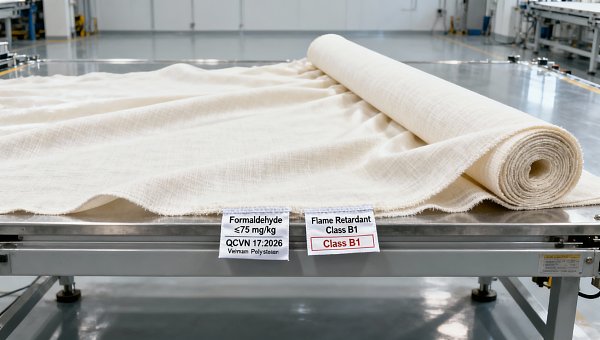
 Fabrics & YarnsVietnam Enforces QCVN 17:2026 for Wedding Photo BackdropsVietnam enforces QCVN 17:2026 for wedding photo backdrops—mandatory formaldehyde testing & B1 flame-retardant labeling. Ensure compliance now to avoid market access delays.Textile Industry AnalystMay 09, 2026
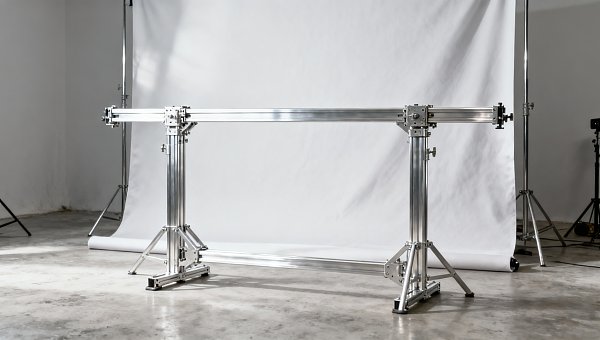
 Building HardwareIndia BIS Mandate: Aluminum Photo Backdrop Stands Must Pass Dual Testing by June 30, 2026Aluminum photo backdrop stands for wedding photography must pass BIS salt spray & load testing by June 30, 2026—secure certification now to avoid import bans in India.Tooling & Hardware LeadMay 09, 2026