Industry News
Curation by industry experts
Hot Articles
Popular Tags
Moving Head Stage Lights: Key Features for Small Venue Setups
Choosing the right moving head stage lights for a small venue is more than a technical purchase. It directly affects rigging simplicity, programming time, visual consistency, energy use, maintenance frequency, and the audience’s perception of the space. In compact event rooms, worship halls, bars, school theaters, boutique hotels, and multipurpose community stages, every fixture must justify its footprint and cost. A well-matched lighting setup can deliver professional looks without overloading power, truss capacity, or the control system, while a poor match often leads to glare, dead zones, wasted features, and higher service demands.
For small venue projects, the most effective approach is not to chase the biggest output or the most advanced specification sheet. The real goal is to identify which features of moving head stage lights create practical value in the actual operating environment. Beam angle, brightness, noise, control protocol, movement speed, color engine, and service access all matter differently depending on how the room is used. Understanding those differences helps build a system that performs reliably and scales with future event needs.
Why small venue setups require a different lighting judgment
Small venues are not simply reduced versions of large stages. Ceiling height is lower, throw distance is shorter, ambient light often changes from event to event, and audience sightlines are more sensitive. In these environments, moving head stage lights must work with tighter trim heights and smaller coverage areas. A fixture that looks balanced in a concert hall may feel too intense or mechanically noisy in a small black box or restaurant event space.
Another key difference is system integration. Smaller venues frequently combine stage use with presentations, dining, livestreaming, corporate meetings, and ceremonies. That means the same moving head stage lights may need to switch from subtle front accenting to energetic effects within minutes. Flexibility becomes more valuable than extreme specialization, especially when one room serves multiple revenue-generating functions.
Scenario 1: Live music rooms need punch without overwhelming the stage
In a live music room, the main decision point is how to create energy and movement without flooding the performers or blinding the audience. Here, moving head stage lights with moderate output, fast pan/tilt response, and a useful zoom range usually outperform oversized units designed for long-throw venues. Compact wash or hybrid fixtures often work best because they can handle backlight, side color, and occasional beam effects from a limited rig.
Core judgment points include fan noise, dimming smoothness, color mixing quality, and beam control. In smaller music spaces, harsh edges and poor dimming become obvious very quickly. RGBW or CMY systems with consistent low-end dimming are particularly useful when the room alternates between performance and intermission. If haze is limited or inconsistent, relying too heavily on beam-only fixtures can reduce the impact of the system.
Scenario 2: Houses of worship and community halls prioritize quiet operation and versatility
For worship spaces and community stages, lighting often supports speech, music, seasonal programs, and broadcast capture in the same week. In this setting, moving head stage lights should not be chosen only for dramatic effects. Silent or low-noise performance, stable white light options, preset recall, and predictable color rendering typically have higher value than aggressive beam output.
The best fit is usually a fixture that can serve as both a wash and an accent source. A zoom-capable wash fixture allows broad scenic coverage during speaking segments and tighter color texture during musical moments. For venues with volunteer operators or limited technical staffing, simpler fixture personalities and reliable DMX mapping reduce operating errors. In these rooms, consistency and ease of use are often more important than having every advanced effect feature.
Scenario 3: Hotels, event spaces, and multifunction rooms need quick transitions
Hotels and flexible event venues place unique demands on moving head stage lights. One day the room may host a product launch, the next day a wedding, and the next an awards dinner. Lighting must transition smoothly between formal, decorative, and entertainment-focused scenes. In this scenario, the strongest feature set includes refined color presets, clean gobos, precise positioning, and compatibility with both show control and simpler architectural cue playback.
Because setup windows are often short, fixture reliability and programming efficiency become major procurement factors. Units with intuitive onboard menus, repeatable position calibration, and strong manufacturer support reduce downtime. Here, moving head stage lights that offer broad visual range from a limited fixture count provide the best return, especially when ceiling points and cabling routes are restricted.
Scenario 4: Schools and small theaters need balanced performance and serviceability
Educational theaters and local performance venues usually work under tighter capital budgets and longer replacement cycles. The ideal moving head stage lights for these settings combine durable construction, straightforward maintenance, and enough creative capability to support drama, dance, assemblies, and guest events. Overly complex fixtures may look attractive on paper but become difficult to maintain when technical support is limited.
Key checks include spare parts availability, hours rating of the light source, fixture weight, and fixture mode flexibility. A unit that can operate in both a basic and expanded channel mode is particularly useful for mixed control environments. It allows simple operation for routine events and deeper programming when more advanced productions are staged.
How feature priorities change across small venue scenarios
What to check before selecting moving head stage lights for a small venue
A practical evaluation process helps avoid feature-driven mistakes. Before selecting moving head stage lights, verify the room’s actual ceiling height, trim position, throw distance, and audience sightlines. Then compare those conditions against fixture beam angle, zoom range, and minimum effective distance. A compact room usually benefits more from coverage control than from maximum lumen output.
- Output vs. room size: Too much intensity can flatten visual depth and make cameras struggle.
- Noise rating: Fan noise is more noticeable in speech-led and acoustic settings.
- Weight and rigging: Small venues often have limited load capacity and fewer mounting options.
- Control compatibility: Confirm DMX, RDM, or network protocols fit the existing ecosystem.
- Color behavior: Test white light consistency and low-end dimming, not just saturated looks.
- Maintenance access: Dust, lens cleaning, and spare parts matter more over time than launch-day specs.
Recommended feature mix for most compact installations
For many smaller rooms, the strongest baseline solution is a mixed system rather than a single fixture type. A practical combination may include several zoom wash moving head stage lights for coverage and atmosphere, supported by a smaller number of spot or hybrid units for texture, gobo work, and focal effects. This approach improves scene variety without overcomplicating the rig.
As a general guide, prioritize these features when the venue serves multiple event formats:
- LED engine for reduced lamp replacement and lower heat load
- Motorized zoom for adapting to stage, podium, and room wash needs
- Quiet thermal design for spoken-word and recorded events
- Reliable dimming curves for smooth transitions
- Manageable channel modes for both basic and advanced operation
- Stable manufacturer support and spare parts availability
Common mistakes when evaluating small venue moving head stage lights
One common error is selecting moving head stage lights based only on peak brightness. In small rooms, brightness is useful only when it can be controlled cleanly. Another frequent mistake is ignoring fixture noise until installation is complete. A technically impressive unit may become unsuitable if fan noise intrudes during presentations or quiet performances.
It is also easy to overvalue effect features such as dense gobo libraries or ultra-narrow beams when the venue rarely uses haze or advanced show programming. In many cases, better dimming, wider zoom, and easier maintenance will deliver more long-term value. Finally, underestimating operator skill level can limit system performance. Even excellent moving head stage lights underperform when their control workflow is too complex for the environment.
Next-step approach for a better-fit lighting decision
The best procurement path starts with scenario mapping rather than brand comparison. List the venue’s top three event types, identify the required scene changes for each, and measure the physical constraints of the room. Then evaluate moving head stage lights against actual use cases: speech, live performance, camera capture, decorative ambience, and fast turnover events. This process reveals which specifications are essential and which are simply attractive extras.
For organizations building a stronger sourcing strategy, Global Supply Review supports more informed product evaluation through market intelligence, supply-side analysis, and practical insight across lighting and display applications. When small venue requirements are matched to the right fixture features, moving head stage lights become more than an effects tool—they become a dependable asset for efficiency, flexibility, and long-term venue value.
Recommended News
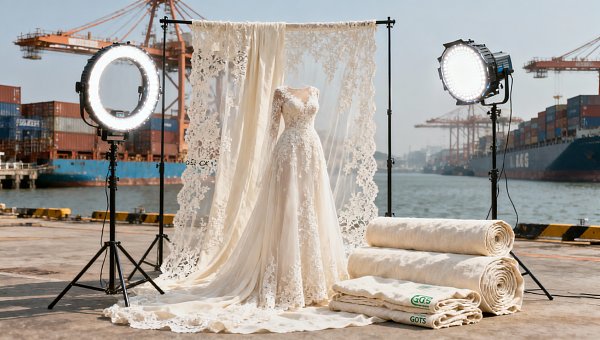
 Export UpdatesNingbo Port Launches 'Green Export Index' for Wedding Photography GoodsWedding photography goods exporters: Ningbo Port’s new Green Export Index reveals 98.2% customs pass rate for OEKO-TEX®/GOTS fabrics & IEC 62471 LED lights — boost your sustainability credibility now.May 09, 2026
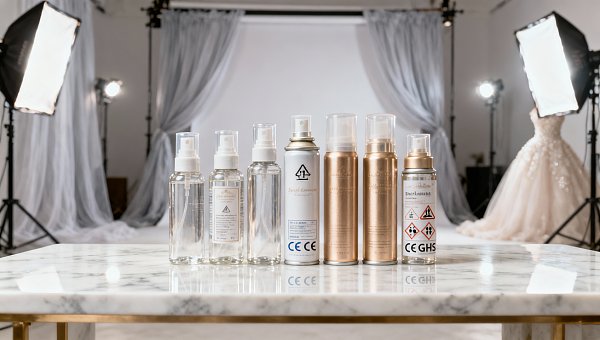
 Carton & PlasticsECHA Adds D-Limonene to SVHC List: Impact on Bridal Photo Spray ExportsBridal photo spray exporters: ECHA’s D-Limonene SVHC listing (May 2026) triggers urgent SDS & label updates for EU-bound hair and fabric sprays.Packaging Supply ExpertMay 09, 2026
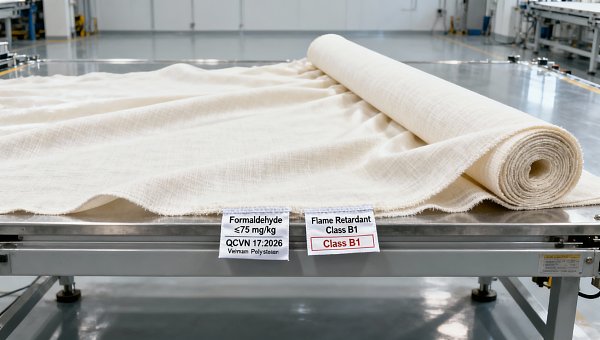
 Fabrics & YarnsVietnam Enforces QCVN 17:2026 for Wedding Photo BackdropsVietnam enforces QCVN 17:2026 for wedding photo backdrops—mandatory formaldehyde testing & B1 flame-retardant labeling. Ensure compliance now to avoid market access delays.Textile Industry AnalystMay 09, 2026
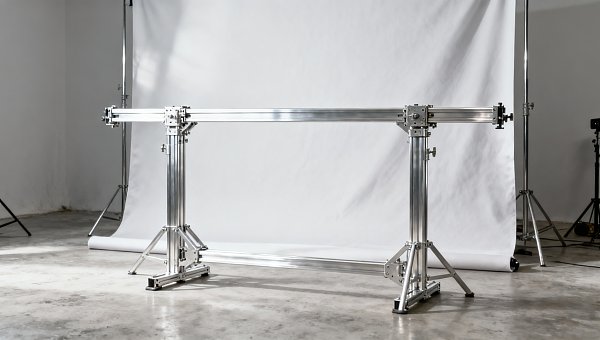
 Building HardwareIndia BIS Mandate: Aluminum Photo Backdrop Stands Must Pass Dual Testing by June 30, 2026Aluminum photo backdrop stands for wedding photography must pass BIS salt spray & load testing by June 30, 2026—secure certification now to avoid import bans in India.Tooling & Hardware LeadMay 09, 2026