Industry News
Curation by industry experts
Hot Articles
Popular Tags
Neon Rope Lights Wholesale: Indoor vs Outdoor Grade Differences
For distributors, agents, and sourcing professionals, evaluating neon rope lights wholesale options requires more than comparing unit price and lead time. The real decision point often lies in the difference between indoor and outdoor grades. These two categories may look similar in catalog photos, yet they vary significantly in ingress protection, material stability, electrical safety, mounting methods, warranty expectations, and lifecycle cost. In commercial lighting, retail display, hospitality design, and event installation, choosing the wrong grade can lead to premature failure, compliance issues, and avoidable replacement costs. A clear understanding of these distinctions helps create better sourcing decisions and more reliable downstream performance.
Core Definition of Indoor and Outdoor Grade Neon Rope Lights
In the neon rope lights wholesale market, “indoor grade” generally refers to products designed for protected environments with limited exposure to water, dust, temperature swings, and direct sunlight. These products are commonly used for shop interiors, ceiling coves, bar counters, exhibition stands, and decorative wall outlines. Their design focus is visual consistency, bendability, ease of installation, and cost efficiency under controlled conditions.
“Outdoor grade” products are engineered for harsher conditions. They usually include higher IP ratings, stronger silicone or PVC jackets, improved UV resistance, better sealing at end caps and connectors, and wider operating temperature tolerance. In neon rope lights wholesale sourcing, outdoor grade often serves building facades, landscape edging, signage outlines, theme venues, temporary exterior activations, and hospitality terraces where weather exposure is expected.
The key point is that indoor vs outdoor grade is not only a marketing label. It reflects material selection, testing standards, installation requirements, and long-term reliability. For sourcing reviews, this distinction should be treated as a specification issue rather than a cosmetic preference.
Key Specification Differences in Neon Rope Lights Wholesale
When comparing neon rope lights wholesale suppliers, several technical differences separate indoor and outdoor models. The table below highlights the most relevant review points.
For any neon rope lights wholesale review, the IP rating is often the first screening tool, but it should not be the only one. A nominal IP65 product without robust connectors or UV-stable material may still underperform outdoors. Likewise, an indoor-grade strip may be fully adequate for covered interior signage and should not be over-specified if the project does not justify the added cost.
Current Market Focus and Industry Review Signals
Across the broader lighting and displays segment, several review signals now influence neon rope lights wholesale decisions. Product selection is increasingly shaped by compliance, durability, and service predictability rather than appearance alone.
- Higher demand for outdoor decorative lighting in hospitality, urban retail, and branded façade projects.
- Stronger attention to UL, CE, RoHS, and region-specific electrical safety documentation.
- Greater preference for silicone-based products due to flexibility, heat stability, and premium finish.
- More scrutiny of color consistency, lumen maintenance, and yellowing resistance over time.
- Rising interest in low-voltage systems for installation safety and easier integration.
- Growing expectation that wholesale suppliers provide test reports, aging data, and clear installation guidance.
These trends matter because the neon rope lights wholesale category sits at the intersection of décor, branding, and technical performance. A visually attractive product that fails under UV exposure or moisture can damage project timelines and end-user confidence. As a result, wholesale evaluation increasingly centers on total operating reliability.
Business Value of Choosing the Correct Grade
Selecting the correct grade in neon rope lights wholesale has direct business implications. First, it reduces replacement cycles. Outdoor-grade products cost more upfront, but in weather-exposed installations they can prevent repeated service calls, damaged connectors, and inconsistent brightness after a short period. Second, proper grade alignment supports compliance. Many projects require clear documentation on electrical safety, water protection, and material performance.
Third, grade accuracy protects reputation. In display lighting and architectural detailing, failure is highly visible. Water intrusion, discoloration, cracked jackets, or dark sections can quickly undermine a finished space. Fourth, it improves planning accuracy. If the specification is right from the start, accessory kits, drivers, mounting channels, and installation labor can be estimated more reliably. This is especially important in neon rope lights wholesale programs that supply multiple locations or repeat rollouts.
From a sourcing intelligence perspective, the most cost-effective option is rarely the lowest quoted item. The better metric is lifecycle suitability: how well the product matches its operating environment over time.
Typical Use Cases by Grade and Environment
A structured application map helps simplify neon rope lights wholesale selection across commercial and retail settings.
One common mistake in neon rope lights wholesale purchasing is assuming that covered outdoor areas can always use indoor-grade products. In reality, humidity, condensation, temperature fluctuation, and cleaning exposure may still require a weather-resistant solution.
Practical Review Points Before Finalizing a Wholesale Order
Before confirming a neon rope lights wholesale supplier, several practical checks can reduce technical and commercial risk:
- Verify test evidence: Request IP test data, UV aging results, flame rating information, and certification files where applicable.
- Review connector system: Outdoor performance often fails at joints, not on the main lighting body. Confirm sealing method and accessory compatibility.
- Check cut length and voltage drop: Longer runs require proper power planning to avoid uneven brightness.
- Confirm material type: Silicone and PVC behave differently in heat, cold, and UV conditions.
- Ask about installation limits: Minimum bend radius, mounting channel requirements, and sealing instructions affect usable performance.
- Evaluate warranty alignment: Warranty terms should reflect whether the product is approved for exterior use and under what conditions.
It is also useful to compare sample pieces under realistic conditions. In neon rope lights wholesale sourcing, a short lab specification sheet may not reveal yellowing, stiffness changes, or color deviation that become visible after installation. Sample validation remains one of the most effective quality-control steps.
Next-Step Evaluation Framework
A disciplined sourcing framework improves outcomes in the neon rope lights wholesale category. Start by classifying each project environment as interior dry, interior humid, covered exterior, or fully exposed exterior. Then match each environment to the minimum acceptable IP rating, UV requirement, operating temperature range, and connector protection level. After that, compare suppliers on documentation quality, consistency of materials, available accessories, and after-sales support.
For organizations building reliable supply networks across lighting and displays, the goal is not simply to buy neon rope lights at scale. It is to source the correct grade with clear technical evidence and predictable field performance. A careful review of indoor vs outdoor grade differences creates stronger product fit, fewer installation problems, and more dependable long-term value from every neon rope lights wholesale program.
Recommended News
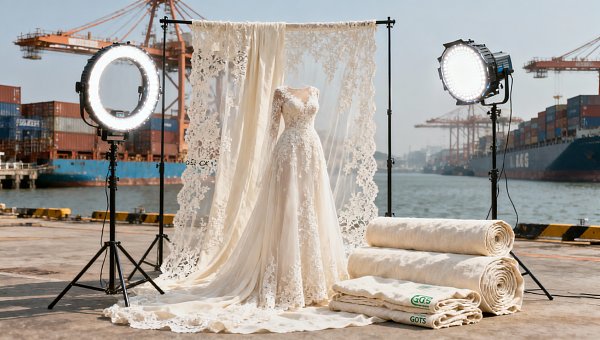
 Export UpdatesNingbo Port Launches 'Green Export Index' for Wedding Photography GoodsWedding photography goods exporters: Ningbo Port’s new Green Export Index reveals 98.2% customs pass rate for OEKO-TEX®/GOTS fabrics & IEC 62471 LED lights — boost your sustainability credibility now.May 09, 2026
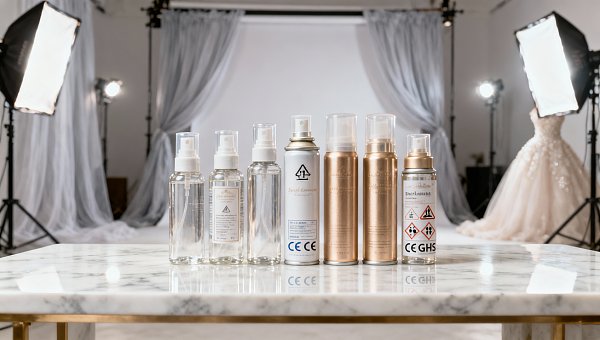
 Carton & PlasticsECHA Adds D-Limonene to SVHC List: Impact on Bridal Photo Spray ExportsBridal photo spray exporters: ECHA’s D-Limonene SVHC listing (May 2026) triggers urgent SDS & label updates for EU-bound hair and fabric sprays.Packaging Supply ExpertMay 09, 2026
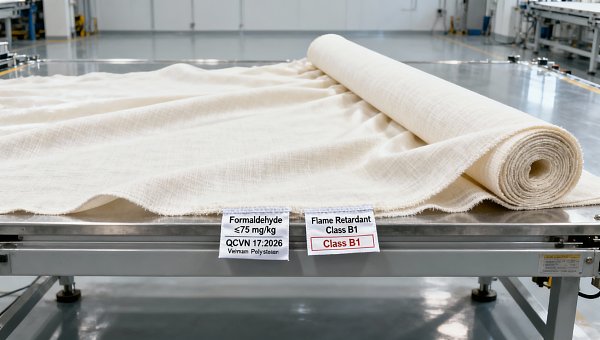
 Fabrics & YarnsVietnam Enforces QCVN 17:2026 for Wedding Photo BackdropsVietnam enforces QCVN 17:2026 for wedding photo backdrops—mandatory formaldehyde testing & B1 flame-retardant labeling. Ensure compliance now to avoid market access delays.Textile Industry AnalystMay 09, 2026
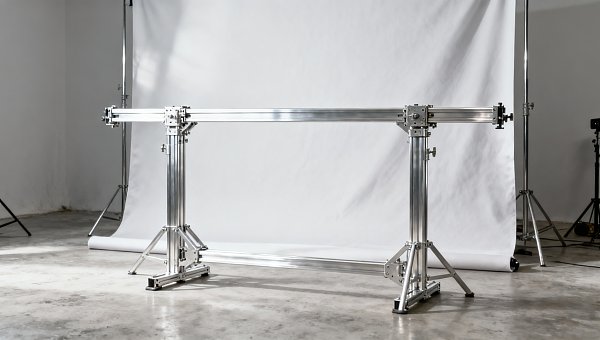
 Building HardwareIndia BIS Mandate: Aluminum Photo Backdrop Stands Must Pass Dual Testing by June 30, 2026Aluminum photo backdrop stands for wedding photography must pass BIS salt spray & load testing by June 30, 2026—secure certification now to avoid import bans in India.Tooling & Hardware LeadMay 09, 2026