Industry News
Curation by industry experts
Hot Articles
Popular Tags
PVC Blister Packaging: When Is It the Right Choice?
PVC blister packaging remains a practical option for many lighting and display products, but it is not always the best fit. For buyers comparing eco friendly packaging for cosmetics, stand up pouches wholesale, or protective retail formats for LED lights for outdoor use and smart lighting controls, the real question is performance versus cost, visibility, and sustainability. This guide examines when PVC blister packaging makes strategic sense for sourcing, distribution, and product presentation.
For procurement teams in lighting and display supply chains, packaging is not a secondary detail. It affects shelf visibility, damage rates, compliance review, freight efficiency, and brand perception. A blister pack that works for a small LED lamp accessory may be a poor choice for a dimmer switch, a smart control module, or a premium decorative lighting component.
In B2B buying, the decision is rarely about material alone. It is about product geometry, retail channel requirements, hanger display needs, expected drop resistance, order volume, and whether the package must survive 30 to 90 days of multi-stop distribution. PVC remains common because it is clear, formable, and cost-effective, but buyers should know exactly where it fits and where alternatives perform better.
Why PVC Blister Packaging Still Matters in Lighting and Display Products
PVC blister packaging is a thermoformed plastic solution usually paired with a paper card, heat seal card, or clamshell structure. In lighting and display categories, it is widely used for compact products such as LED strips, GU10 bulbs, pilot lamps, cabinet lights, remote controls, connectors, mounting clips, and retail-ready smart lighting accessories. The format offers three immediate benefits: high product visibility, moderate structural protection, and predictable tooling costs.
For distributors and retail suppliers, visibility is often the deciding factor. Clear PVC makes it easier for buyers to inspect lamp shape, connector style, cable length, lens design, or finish color without opening the pack. In store environments where products hang on peg hooks, a clear blister front can improve visual recognition within 2 to 3 seconds, especially for smaller electrical accessories sold in crowded lighting aisles.
PVC also remains attractive when unit packaging needs to stay economical across medium to high production runs. For example, if a lighting accessory line moves in annual volumes of 20,000 to 100,000 units, thermoformed blister packaging can often provide a better balance of presentation and protection than rigid custom cartons. Tooling lead times are typically around 7 to 15 days for standard trays, though final timing depends on cavity complexity and card sealing format.
That said, “still relevant” does not mean “universally suitable.” PVC works best when the product is relatively lightweight, not highly fragile, and sold through retail or distribution channels where visual access matters. It is less suitable when the item is heavy, irregular, sustainability-sensitive, or likely to trigger retailer restrictions on certain plastic formats.
Typical Lighting Items That Commonly Use PVC Blisters
- Small LED bulbs and replacement lamps under 300 g per retail unit.
- Switches, sockets, dimmer knobs, and faceplate accessories with visible finishes.
- Smart lighting remotes, mini sensors, adapters, and compact driver accessories.
- Low-cost display hardware such as hooks, clips, brackets, and mounting kits.
Core Performance Traits
In practical sourcing terms, PVC blister packaging performs well when the pack must do four jobs at once: display the product, prevent casual handling, organize small parts, and keep packaging costs within a tight range. For many lighting SKUs, especially accessory-driven items, those four jobs matter more than premium unboxing experience.
When PVC Is the Right Choice and When It Is Not
The best way to assess PVC blister packaging is by application fit rather than by material reputation. In lighting, it is usually the right choice when the product weighs less than 500 g, has a compact footprint, benefits from front-facing display, and does not require heavy shock absorption. It is especially effective for retail channels, hardware chains, and dealer networks that depend on peg-ready merchandising.
It becomes less effective when the product includes fragile glass, premium surface finishes, exposed smart components, or multiple loose subparts that need compartmentalized protection. For example, decorative bulbs with thin filaments, smart control hubs with screens, and outdoor LED fixtures with metal housings may require corrugated inserts, molded pulp, or PET alternatives to control transit damage and reduce scuff risk.
Another issue is sustainability positioning. Many buyers in Europe, North America, and premium retail channels now evaluate packaging through both cost and recyclability lenses. If the sourcing brief includes targets such as lower virgin plastic use, easier mono-material sorting, or alignment with internal ESG packaging policy, PVC may face more scrutiny than PET, RPET, or fiber-based options.
For business evaluation teams, the decision should be made after comparing 5 factors: product weight, fragility, retail display requirement, destination market policy, and total landed cost. A low unit price can be misleading if returns, repacking, or retailer pushback create hidden costs in the next 60 to 120 days.
Application Fit by Lighting Scenario
The table below helps buyers quickly judge whether PVC blister packaging suits common lighting and display products.
The key takeaway is that PVC performs best in the accessory and compact component segment of the lighting industry. Once the product moves into fragile, premium, or heavy-duty categories, alternative packaging formats usually deliver better total protection and channel acceptance.
A Simple 4-Step Qualification Screen
- Check whether the item can pass basic drop handling with shaped cavity support.
- Confirm if the channel requires hanging display or visible front presentation.
- Review destination market expectations for recyclability and plastic reduction.
- Compare packaging cost against damage, returns, and shelf conversion value.
Cost, Tooling, and Supply Chain Considerations for B2B Buyers
For sourcing managers, PVC blister packaging often enters the conversation because it can lower unit packaging cost while preserving retail readiness. Compared with rigid custom gift boxes or high-spec paperboard structures, a basic blister-card combination can reduce material and assembly cost in high-volume runs. This is most noticeable when a product range includes 10 to 30 accessory SKUs that share similar tray geometry.
However, cost should be evaluated in three layers rather than one. Layer one is direct pack cost per unit. Layer two includes tooling, sampling, sealing setup, and artwork adaptation. Layer three covers logistics outcomes such as cube efficiency, damage rate, and retail handling. A package that saves $0.05 per unit may still be the wrong decision if it increases replacement claims by 1% to 2% across a nationwide dealer network.
Lead time is another practical factor. Standard blister tooling may be completed in 1 to 2 weeks, sampling in 3 to 7 days, and mass production in 2 to 4 weeks after artwork approval. That schedule can support short launch windows for seasonal lighting items, promotional bundles, or replacement accessory programs. By contrast, more complex molded pulp or multi-piece carton assemblies may involve longer development cycles.
Procurement teams should also assess sealing method and pack labor. Face-seal blisters are generally simpler and cheaper, while trapped blisters and clamshells may improve security but add material usage and assembly time. If the product line is sold through anti-theft sensitive retail channels, that extra cost may be justified. If it is sold through distributors in master cartons, a simpler format may be more efficient.
Indicative Procurement Comparison
The following table shows how PVC blister packaging compares with common alternatives for lighting and display applications.
For many buyers, the comparison shows that PVC is not automatically the cheapest across the full lifecycle, but it can be the most efficient option when product visibility and fast commercialization are priorities. The correct choice depends on whether the package must sell on shelf, protect in transit, or support sustainability targets first.
Buyer Checklist Before RFQ Approval
- Confirm MOQ for blister production, often starting from 3,000 to 10,000 units depending on tool size.
- Ask whether the cavity tolerance is suitable for the exact lamp or accessory dimensions.
- Review master carton packing density to avoid freight inefficiency.
- Test heat sealing quality if the product may be handled repeatedly in retail stores.
Sustainability, Compliance, and Market Acceptance Risks
One of the biggest reasons buyers hesitate on PVC blister packaging is not functionality but long-term market acceptance. In some sectors, PVC remains acceptable for value-oriented retail packaging. In others, especially where procurement policy emphasizes lower environmental impact, it may be screened out early. For lighting exporters targeting several regions at once, this matters because one packaging format may not fit every market.
The risk is practical rather than theoretical. A distributor may accept PVC for replacement electrical accessories but reject it for a premium smart home product line. A retail chain may allow existing blister formats today but request a transition plan within 6 to 12 months. Business evaluation teams should therefore ask not only “Can PVC work?” but also “Will this packaging still be channel-compatible next season?”
Another consideration is disposal perception. Even where PVC is technically usable, end customers and channel partners may prefer materials with simpler recycling communication. For brands in connected lighting, architectural lighting, or high-spec decorative segments, packaging perception can influence commercial positioning. If the product promise is smart, efficient, and future-focused, visibly conventional plastic packaging can sometimes weaken the message.
This does not mean PVC should be removed from every sourcing brief. It means it should be used selectively. For short-cycle programs, spare parts, hardware-store accessory lines, and cost-sensitive channels, the format may still be commercially sound. For sustainability-led export strategies, buyers should compare PET, RPET, or paper-based structures before final approval.
Risk Review Table for Export and Distribution Teams
The table below outlines the main risks procurement and commercial teams should review before selecting PVC blister packaging for lighting products.
The most important point is alignment. Packaging should support both the physical product and the commercial narrative around it. In lighting, where technology, efficiency, and design all matter, packaging material choices are increasingly part of the buying conversation.
How to Evaluate PVC Blister Packaging for Lighting Procurement
A reliable evaluation process helps buyers avoid poor packaging decisions that look acceptable in sampling but fail in real distribution. For lighting and display products, procurement teams should review the package at three levels: product fit, channel fit, and supply chain fit. This reduces the risk of making a decision based on unit price alone.
Product fit starts with size, shape, and fragility. If the item includes a lens, painted metal, exposed pins, or a sensitive smart interface, the cavity design must prevent rubbing and movement. In many cases, a tolerance window of around ±0.5 mm to ±1.0 mm is important for snug placement of smaller electrical accessories. Loose fit often causes cosmetic issues before the product reaches the shelf.
Channel fit focuses on how the package will be sold. If the lighting product is intended for hardware retail, home improvement stores, or accessory walls, blister packaging may improve display efficiency. If it is intended for project supply, wholesale cartons, or e-commerce fulfillment, the need for visible front-facing packaging may be much lower. In those cases, carton-first formats can save space and improve stacking.
Supply chain fit concerns lead time, MOQ, repacking risk, and regional packaging expectations. Exporters should confirm whether the same blister format can support multilingual artwork, barcode placement, hanging display, and master carton consolidation without adding extra SKUs. Standardization across 3 to 5 markets can simplify replenishment and reduce packaging complexity.
Recommended Evaluation Workflow
- Define the sales channel: retail shelf, distributor carton, project delivery, or e-commerce.
- Test sample fit with the exact lighting product and all included accessories.
- Review sealing strength, hanging hole durability, and insert retention.
- Check freight density at the inner box and master carton level.
- Validate channel acceptance for sustainability and packaging appearance.
Common Buyer Mistakes
- Choosing PVC only because the initial quotation is lower than carton alternatives.
- Approving a sample without transit simulation for 30-day or longer export routes.
- Using the same package for both premium smart controls and low-cost accessories.
- Ignoring retailer feedback on plastic reduction until late in the launch cycle.
For sourcing teams working with global suppliers, the strongest purchasing position comes from asking for two packaging proposals at the RFQ stage: one PVC blister option and one alternative with better sustainability credentials. That side-by-side review often clarifies whether PVC is truly the right commercial choice or just the familiar default.
FAQ: Practical Questions Buyers Ask Before Choosing PVC Blister Packaging
Is PVC blister packaging suitable for LED lights for outdoor use?
Usually only for small outdoor lighting accessories, not for complete fixtures. Mounting clips, cable connectors, and compact replacement parts may work well in blister packs. Full outdoor wall lights, flood lights, or garden fixtures are often too heavy or too impact-sensitive, especially when unit weight exceeds 500 g to 800 g.
How long does development and delivery usually take?
A common range is 7 to 15 days for tooling, 3 to 7 days for sample confirmation, and 2 to 4 weeks for mass production after artwork approval. Complex sealing structures, special anti-theft formats, or multi-cavity designs may extend the cycle. Buyers should build in extra time if the package is part of a coordinated product launch.
What should distributors and agents focus on during approval?
They should focus on 4 points: shelf visibility, pack durability, barcode and labeling space, and master carton efficiency. For dealer networks, it is also useful to check whether the hanging hole tears under repeated handling and whether the blister shape wastes carton space during bulk transport.
When should buyers move to PET or paper-based alternatives?
A change is usually justified when the market places greater emphasis on recyclability, when the product is premium or giftable, or when retailer guidelines begin to discourage PVC. It is also worth switching when the current blister format creates visible scratching, damage claims, or channel resistance that offsets its initial cost advantage.
PVC blister packaging remains a useful packaging format in the lighting and display industry, especially for compact accessories, retail-ready components, and cost-sensitive product lines where visibility matters. Its strengths are clear presentation, manageable tooling, and efficient commercialization. Its limits are equally important: sustainability scrutiny, weaker fit for fragile or premium products, and possible channel restrictions in some markets.
For information researchers, procurement teams, and commercial evaluators, the right decision comes from matching packaging format to product type, sales channel, and long-term market requirements. If you are comparing packaging options for lighting accessories, smart controls, or display hardware, GSR can help you assess practical trade-offs and identify sourcing-ready solutions. Contact us to discuss your packaging needs, request a tailored evaluation framework, or explore more lighting-focused sourcing insights.
- eco friendly packaging
- stand up pouches
- blister packaging
- PVC blister packaging
- eco friendly packaging for cosmetics
- stand up pouches wholesale
- GSR
- smart lighting
- outdoor lighting
- architectural lighting
- LED lights
- lighting controls
- decorative lighting
- LED lights for outdoor use
- smart lighting controls
Recommended News
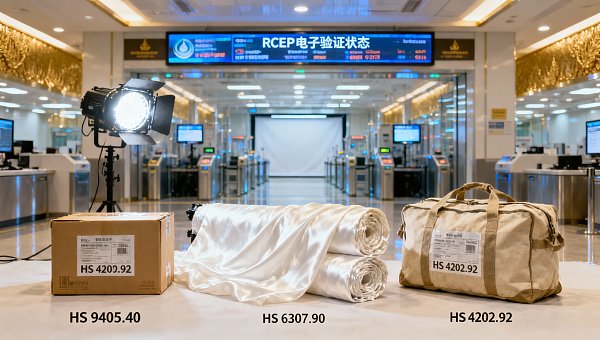
 Export UpdatesThailand Launches RCEP Origin Verification for Chinese Wedding Photo PropsRCEP origin verification for Chinese wedding photo props is live in Thailand—unlock zero tariffs & faster clearance for HS 9405.40, 4202.92, 6307.90 exports now.Apr 23, 2026
 Fabrics & YarnsTurkey TSE Mandates AATCC 100-2024 for Antibacterial Wedding BackdropsAATCC 100-2024 is now mandatory for antibacterial wedding backdrops entering Turkey — ensure compliance, avoid customs delays, and secure market access before 1 June 2026.Textile Industry AnalystApr 23, 2026
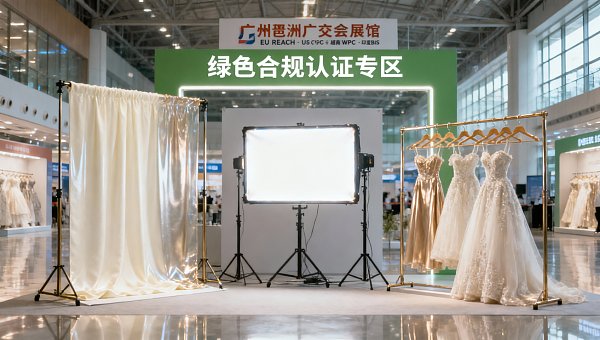
 Export UpdatesCanton Fair Phase II 2026 Launches Green Compliance Zone for Wedding Photo PropsGreen Compliance Zone launched at Canton Fair 2026 for wedding photo props — EU REACH, US CPSC & more. Get certification-ready now!Apr 23, 2026
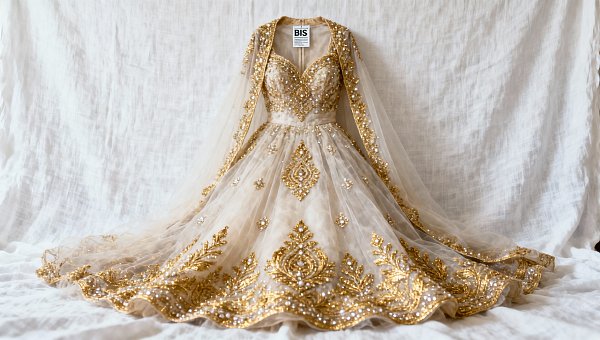
 Garment MfgIndia BIS Mandate for Wedding Apparel: IS 15620:2026 Effective July 2026India BIS mandates IS 15620:2026 for wedding apparel — bridal gowns, veils & formal wear must meet safety testing by July 2026. Act now to avoid port delays!Textile Industry AnalystApr 23, 2026