Industry News
Curation by industry experts
Hot Articles
Popular Tags
Stand Up Pouches Wholesale: What Affects Pricing?
For buyers comparing stand up pouches wholesale options, pricing is rarely based on material alone. In practice, the final quote is shaped by a mix of pouch dimensions, structure, barrier performance, printing setup, order volume, closure features, and supplier capability. For procurement teams, the key takeaway is simple: the lowest unit price is not always the lowest total sourcing cost. Understanding what drives pricing helps buyers compare suppliers more accurately, control risk, and choose packaging that fits both product needs and margin targets.
That matters even more in today’s packaging environment, where buyers may also be reviewing eco friendly packaging for cosmetics, specialty flexible formats, or even alternatives such as PVC blister packaging for different product lines. A clear cost framework makes it easier to evaluate quotes, negotiate effectively, and avoid paying for specifications that do not create real commercial value.
What buyers are really paying for in stand up pouches wholesale
When sourcing stand up pouches wholesale, suppliers usually build pricing around three layers of cost: materials, converting, and commercial terms.
- Materials: film type, thickness, barrier layers, recyclability, and specialty finishes
- Converting: lamination, pouch forming, zipper or spout insertion, printing, and quality control
- Commercial terms: order quantity, lead time, shipping mode, payment terms, and compliance requirements
For B2B buyers, this means two pouches that look similar on the surface can have very different cost structures. A standard matte pouch for dry goods may be straightforward and economical, while a custom-printed, high-barrier pouch with zipper and spout will involve more material inputs, more machine time, and higher setup costs.
How pouch size and format change the final quote
Size is one of the most visible cost drivers. Larger pouches use more film, require different forming dimensions, and may need stronger seals or thicker structures depending on fill weight. But size is not just about raw material usage.
Pricing also changes based on the pouch format itself. Common wholesale formats include:
- Standard stand up pouches
- Flat bottom pouches
- Kraft stand up pouches
- Retort pouches
- Stand up pouches with spout
Among these, stand up pouches with spout usually cost more because they require extra components, more precise sealing, and additional production steps. For liquids, gels, and refill products, however, that extra cost may be justified by better usability, lower leakage risk, and stronger shelf appeal.
Procurement teams should therefore compare cost by application value, not just by pouch category. A slightly higher-cost format can improve filling efficiency, reduce product loss, or support premium positioning in the market.
Why material structure is often the biggest pricing factor
Material selection usually has the strongest impact on wholesale pricing. Buyers are not just choosing a look or feel; they are choosing performance. The film structure determines barrier protection, puncture resistance, seal integrity, and compatibility with the packed product.
Typical cost differences come from whether the pouch uses:
- Single-layer or multi-layer films
- Standard PET/PE combinations
- Aluminum foil layers for high barrier protection
- Metallized films
- Recyclable mono-material structures
- Compostable or bio-based films
Higher barrier structures generally cost more, but they may be essential for products sensitive to oxygen, moisture, light, or aroma loss. This is especially relevant in food, personal care, and export supply chains with longer transit times.
For buyers also reviewing eco friendly packaging for cosmetics, sustainability adds another pricing dimension. Recyclable or lower-impact materials can carry a premium depending on region, resin availability, and certification requirements. Still, the commercial question should be broader than material cost alone: does the sustainable option support brand value, retailer compliance, or future regulatory readiness?
How printing complexity affects unit cost
Printing is another major factor in stand up pouches wholesale pricing. Plain pouches are naturally more economical, while custom printing introduces artwork setup, cylinder or plate costs, color control, and waste during production startup.
The final price is influenced by:
- Number of print colors
- Full-surface versus partial print coverage
- Rotogravure or digital printing method
- Matte, gloss, metallic, or soft-touch finishes
- Opaque white layers and special varnishes
- Design revisions and SKU variation count
For high-volume orders, traditional gravure printing often delivers a lower per-unit cost despite higher setup expense. For lower MOQ projects or frequent artwork changes, digital printing may reduce inventory risk and improve flexibility, even if the unit price is higher.
This is a key sourcing judgment point: if a brand runs multiple SKUs in modest volumes, a slightly higher unit cost from digital production may still create better total economics by reducing obsolete stock and shortening launch cycles.
What added features increase cost—and when they are worth it
Many buyers underestimate how much functional add-ons affect the quote. Features that increase convenience, security, or shelf performance almost always add both component and labor cost.
Common cost-adding features include:
- Zippers and resealable closures
- Tear notches
- Rounded corners
- Euro holes or hang holes
- Degassing valves
- Transparent windows
- Laser scoring
- Child-resistant closures
- Spouts and caps
Not every feature improves commercial performance. Buyers should ask whether each add-on contributes to one of the following:
- Better consumer usability
- Lower leakage or spoilage risk
- Regulatory or retail channel compliance
- Operational convenience during filling or transport
- Stronger product differentiation at shelf level
If the answer is no, the feature may simply be inflating cost without adding measurable value.
Why MOQ and order volume matter so much
Order volume is one of the biggest pricing levers in wholesale packaging. Most pouch production includes setup costs that must be spread across the total run. The larger the order, the lower the setup burden per unit.
This is why suppliers often provide price breaks at multiple quantity levels. Buyers should not stop at the lowest MOQ quote. Instead, they should compare:
- Unit price at different order tiers
- Total landed cost
- Inventory holding cost
- Cash flow impact
- Forecast accuracy and replenishment frequency
For distributors and brand owners, the best order quantity is not always the one with the lowest nominal unit price. Overbuying can increase storage cost, tie up working capital, and create obsolescence risk if artwork or regulations change.
A good supplier should be able to discuss MOQ strategy, not just quote a number.
How supplier location, lead time, and logistics affect real procurement cost
Many buyers focus on ex-factory price and overlook the commercial impact of geography and fulfillment. In reality, location can materially change total sourcing economics.
Relevant factors include:
- Domestic versus overseas production
- Freight rates and container utilization
- Customs duty and import procedures
- Lead time stability
- Transit damage risk
- Communication efficiency and after-sales response
A lower offshore quote may be attractive at first glance, but long replenishment cycles can create stockout risk or force buyers to hold more safety inventory. On the other hand, for large and predictable demand, global sourcing may still offer substantial savings.
This is especially important for procurement teams managing multiple packaging formats across categories. If one supplier can support stand up pouches wholesale alongside adjacent packaging needs, the buyer may gain leverage through consolidated sourcing, simplified quality control, and stronger logistics coordination.
How to compare supplier quotes without making a false price comparison
One of the most common sourcing mistakes is comparing quotes that are not based on the same specification. Buyers should make sure every supplier is quoting against a consistent requirement sheet.
A practical RFQ should include:
- Pouch dimensions and fill volume
- Material structure and thickness
- Barrier requirements
- Printing method and artwork details
- Closure type, zipper, or spout specification
- MOQ and annual volume estimate
- Application: food, cosmetics, industrial, etc.
- Compliance or sustainability requirements
- Packing method and shipment destination
Without that detail, one supplier may quote a thinner or lower-barrier structure, fewer print colors, or a different closure grade. The cheaper price then becomes misleading.
For business evaluation teams, the right question is not “Who is cheapest?” but “Which offer provides the required performance at the best total business value?”
Where sustainability and category crossover influence packaging decisions
Packaging buyers today rarely assess one format in isolation. They may compare stand up pouches wholesale with cartons, jars, sachets, or category-specific formats such as PVC blister packaging, depending on product type, channel strategy, and compliance needs.
That crossover matters because cost is only one part of the decision. Buyers are increasingly balancing:
- Material efficiency
- Shelf presentation
- Product protection
- Brand sustainability targets
- Retail display requirements
- Consumer convenience
For example, a cosmetics buyer exploring eco friendly packaging for cosmetics may favor flexible pouches for refill applications because they reduce packaging weight and can support sustainability messaging. But the commercial success of that move depends on whether the pouch structure, dispensing format, and branding execution fit the product and target market.
In other words, procurement should evaluate pricing in the context of packaging strategy, not just manufacturing cost.
Questions buyers should ask before placing a wholesale order
Before committing to a supplier, buyers should validate not only price but also technical and commercial reliability. Useful questions include:
- What material structure is recommended for my product, and why?
- Can you provide testing data for barrier, seal strength, and migration if needed?
- What is the MOQ for printed and unprinted versions?
- How do costs change at different order volumes?
- What is the lead time for sampling and mass production?
- Can you support recyclable or more sustainable material options?
- How are zippers, spouts, or valves sourced and quality-controlled?
- What quality issues occur most often, and how are claims handled?
- What are the shipping terms and typical landed cost assumptions?
These questions help uncover whether a supplier is simply offering a low quote or is capable of long-term, dependable supply.
Conclusion: the best pouch price is the one that matches performance, volume, and risk
Stand up pouches wholesale pricing is affected by much more than base material. Pouch size, film structure, barrier performance, print complexity, functional features, MOQ, logistics, and supplier capability all shape the final cost. For professional buyers, the most effective approach is to compare total sourcing value rather than chase the lowest headline unit price.
When procurement teams align packaging specifications with product requirements, volume planning, brand goals, and supply chain realities, they make better decisions and negotiate from a stronger position. Whether the project involves standard stand up pouches, stand up pouches with spout, eco friendly packaging for cosmetics, or comparison with formats like PVC blister packaging, a structured pricing analysis leads to smarter sourcing and more resilient commercial outcomes.
Recommended News
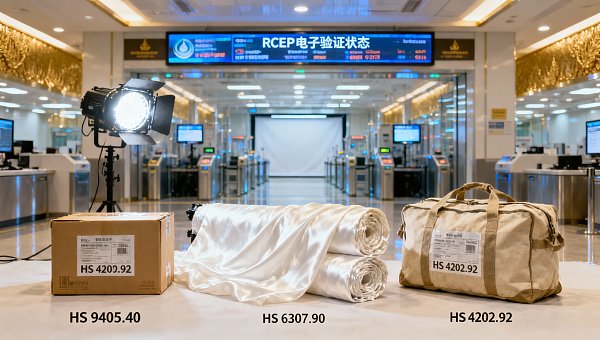
 Export UpdatesThailand Launches RCEP Origin Verification for Chinese Wedding Photo PropsRCEP origin verification for Chinese wedding photo props is live in Thailand—unlock zero tariffs & faster clearance for HS 9405.40, 4202.92, 6307.90 exports now.Apr 23, 2026
 Fabrics & YarnsTurkey TSE Mandates AATCC 100-2024 for Antibacterial Wedding BackdropsAATCC 100-2024 is now mandatory for antibacterial wedding backdrops entering Turkey — ensure compliance, avoid customs delays, and secure market access before 1 June 2026.Textile Industry AnalystApr 23, 2026
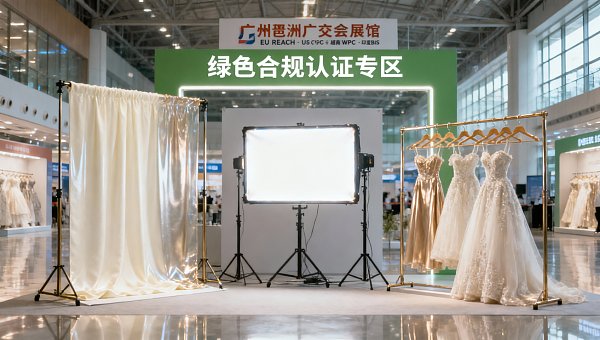
 Export UpdatesCanton Fair Phase II 2026 Launches Green Compliance Zone for Wedding Photo PropsGreen Compliance Zone launched at Canton Fair 2026 for wedding photo props — EU REACH, US CPSC & more. Get certification-ready now!Apr 23, 2026
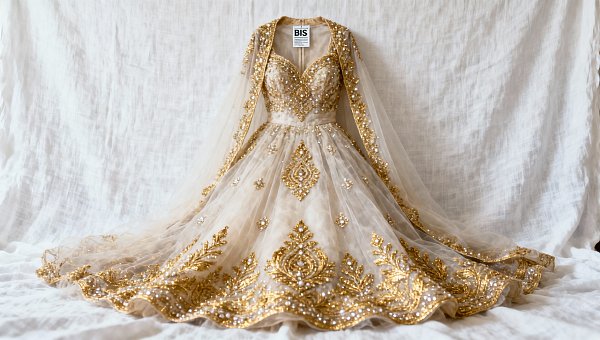
 Garment MfgIndia BIS Mandate for Wedding Apparel: IS 15620:2026 Effective July 2026India BIS mandates IS 15620:2026 for wedding apparel — bridal gowns, veils & formal wear must meet safety testing by July 2026. Act now to avoid port delays!Textile Industry AnalystApr 23, 2026