Industry News
Curation by industry experts
Hot Articles
Popular Tags
Eco Solvent Printer vs UV Printer: Which Fits Small Batch Sign Work
Choosing between an eco solvent printer and a UV printer can significantly affect cost, material compatibility, and turnaround in small batch sign production. For technical evaluators, the right decision depends on print durability, substrate flexibility, curing requirements, and total operating efficiency. This comparison outlines the key performance differences to help determine which technology better fits your workflow and sourcing priorities.
Why Small Batch Sign Scenarios Deserve a Different Evaluation
In large-volume printing, the decision between an eco solvent printer and a UV printer is often framed around throughput and long-term cost per square meter. Small batch sign work is different. Technical evaluators usually face mixed orders, shorter lead times, more varied substrates, and tighter tolerance for waste. A shop may print ten indoor promotional boards in the morning, a few vehicle decals in the afternoon, and a short run of branded rigid signs before the day ends. In these conditions, equipment flexibility matters as much as image quality.
That is why the best choice is rarely about which technology is “better” in general. It is about which one aligns with the job mix. An eco solvent printer often appeals when the business relies on roll media, adhesive vinyl, posters, window graphics, and cost-sensitive outdoor signage. A UV printer becomes more attractive when orders involve rigid boards, direct-to-substrate production, specialty media, and fast finishing without lamination delays. For sourcing teams and evaluators, the practical question is simple: which device reduces process friction in the most common sign scenarios?
Scenario Comparison: Where Each Printer Fits Best
The table below summarizes how an eco solvent printer compares with a UV printer across common small batch sign applications. This kind of scenario-based view is usually more useful than a specification-only comparison.
Scenario 1: Vinyl Graphics, Decals, and Promotional Roll Media
If your sign business mainly produces adhesive vinyl graphics, posters, banners, wallpaper, window films, or promotional roll media, an eco solvent printer is often the more natural fit. In this scenario, material cost, print flexibility, and outdoor durability usually matter more than direct-to-board capability. Eco solvent ink systems are widely used for signage because they bond well with coated and uncoated media designed for roll printing, and the output is suitable for common finishing workflows such as lamination, contour cutting, and application to curved surfaces.
For technical evaluators, the key advantage is workflow compatibility. Many small sign shops already use roll-fed media handling, take-up systems, cutting plotters, and lamination equipment. An eco solvent printer fits into that setup with minimal process disruption. It is particularly valuable when small batches still need varied designs but similar material types. The technology also tends to offer a lower equipment entry point than industrial flatbed UV systems, which can matter when the business needs practical capacity rather than broad experimentation.
However, drying and outgassing time should not be ignored. Even if prints feel dry to the touch, some applications require waiting before lamination to avoid adhesion issues. For businesses selling fast-turn graphics, this can become a hidden scheduling constraint.
Scenario 2: Direct Printing on Rigid Boards for Retail and Wayfinding
When small batch sign orders frequently involve foam board, acrylic, corrugated plastic, PVC sheet, wood, aluminum composite panel, or glass-like display surfaces, a UV printer often creates a more efficient production path. In these scenarios, direct printing eliminates the extra step of producing a graphic on film and then mounting it onto a rigid board. That saves labor, reduces alignment risk, and improves turnaround for prototype signs, event signage, menu boards, and interior branding panels.
A UV printer also offers immediate curing. For technical evaluators, this is not just a quality feature; it is a scheduling feature. Jobs can move quickly from print to cutting, packing, or installation. That is especially useful when order quantities are small but delivery expectations are urgent. In sourcing terms, the UV route may produce better operational efficiency when the order structure is diverse and rigid substrates are common.
Still, direct UV printing is not automatically superior in every rigid sign case. Surface adhesion varies by substrate, and some materials may need primer, treatment, or testing. If the sign shop only occasionally handles rigid boards, the higher investment and maintenance complexity of a UV printer may not be justified.
Scenario 3: Mixed Small Orders from Multiple Customers
Many small batch sign businesses do not specialize in one category. They serve retailers, local brands, event organizers, and contractors with highly mixed requirements. In this scenario, the decision depends on what creates the most friction in daily production. If the pain point is frequent material switching and demand for direct print on unusual substrates, a UV printer may solve more problems. If the pain point is cost pressure on vinyl jobs and outdoor graphics, an eco solvent printer may deliver better overall utilization.
This is where technical evaluators should audit actual order composition instead of relying on assumptions. Review the last three to six months of jobs by substrate type, finishing method, average run size, and required delivery time. If most jobs are flexible media with repeatable finishing, an eco solvent printer remains highly competitive. If rigid media, custom one-offs, and same-day production dominate, UV likely offers stronger scenario fit.
Key Demand Differences That Change the Decision
The most useful comparison between an eco solvent printer and a UV printer usually comes down to five operational factors.
1. Substrate Flexibility
An eco solvent printer is strongest on roll media and flexible graphic applications. A UV printer supports a wider substrate universe, especially rigid materials. If your sign workflow depends on board printing, UV has a structural advantage.
2. Durability and Application Behavior
Eco solvent output is often preferred for decals, wraps, and graphics that need flexibility after printing. UV ink can be highly durable, but on some applications it may be less suitable where bending, stretching, or complex contour application is required.
3. Turnaround Speed
UV curing supports immediate post-processing. An eco solvent printer may require additional waiting before lamination or shipment depending on media and ink set. In small batch sign work, that time difference can affect order acceptance capacity.
4. Cost Structure
An eco solvent printer often offers lower acquisition cost and efficient economics for common signage media. UV systems may cost more upfront but can reduce labor and mounting materials for rigid signs. The cheaper machine is not always the lower-cost workflow.
5. Facility and Maintenance Requirements
Technical evaluators should check ventilation, operator skill level, maintenance discipline, and production environment. Both technologies require proper control, but UV adds curing components and substrate handling demands that may increase operational complexity.
Recommended Fit by Business Type
Common Misjudgments in Small Batch Sign Equipment Selection
One common mistake is choosing a UV printer simply because it prints on “more materials.” Broad capability is valuable only if those materials are part of regular revenue. If 80 percent of orders are vinyl-based, an eco solvent printer may deliver higher utilization and simpler operations.
Another misjudgment is assuming an eco solvent printer is always the budget option. While purchase cost may be lower, additional laminating time, mounting labor, and slower finishing can increase the real production cost in rigid sign scenarios. Evaluators should compare complete workflows, not just machine price.
A third oversight is neglecting sample validation. Whether selecting an eco solvent printer or a UV printer, actual tests on target substrates are essential. Adhesion, color density, scratch resistance, contour-cut performance, and finish behavior can vary by ink set, media supplier, and environment.
Practical Evaluation Checklist for Technical Teams
Before making a sourcing decision, technical teams should confirm the following:
- What percentage of current and target jobs are roll media versus rigid substrates?
- How often are prints laminated, mounted, contour cut, or applied to curved surfaces?
- What is the acceptable turnaround time from print to finishing?
- Which applications generate the highest margin, not just the highest volume?
- Can the facility support the maintenance, media handling, and workflow needs of the selected system?
- Do supplier samples prove consistent quality on your actual sign materials?
Final Decision: Match the Printer to the Real Job Mix
For small batch sign work, the best choice between an eco solvent printer and a UV printer depends less on headline specifications and more on recurring application scenarios. If your business is centered on stickers, banners, posters, and flexible outdoor graphics, an eco solvent printer is often the more practical and economical solution. If your workflow increasingly includes rigid boards, premium display materials, and urgent short-run custom signage, a UV printer may create better process efficiency and broader service capability.
For technical evaluators, the strongest path is to map printer capability against actual orders, finishing steps, substrate plans, and service goals. A well-matched device supports not only print quality, but also scheduling stability, material efficiency, and long-term sourcing confidence. If your team is comparing supplier options, start with sample-based testing and a scenario audit. That approach will reveal whether an eco solvent printer or a UV printer truly fits your small batch sign strategy.
Recommended News
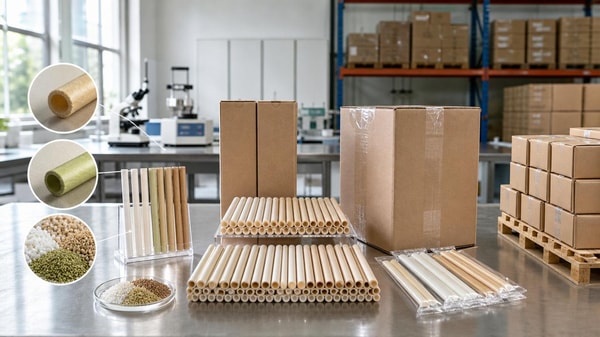
 Eco PackagingBiodegradable Straws Wholesale: What to Verify Before Switching SuppliersBiodegradable straws wholesale: verify certifications, drink performance, packaging, and export reliability before switching suppliers to cut risk, protect compliance, and improve sourcing results.Packaging Supply ExpertMay 04, 2026
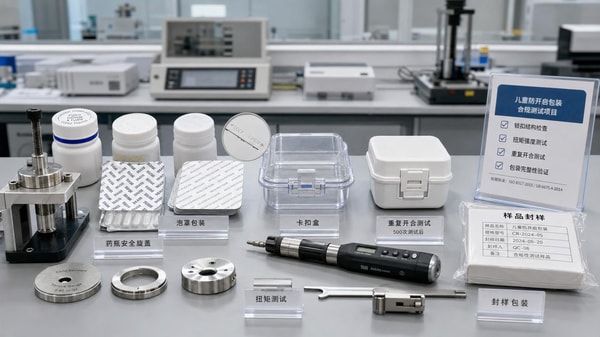
 Policy & RegulationsChild Resistant Packaging: Common Testing Failures and How to Prevent ThemChild resistant packaging failures often stem from weak locks, tolerance drift, or poor reclosure. Learn how to prevent test issues, reduce recall risk, and improve compliance readiness.May 04, 2026
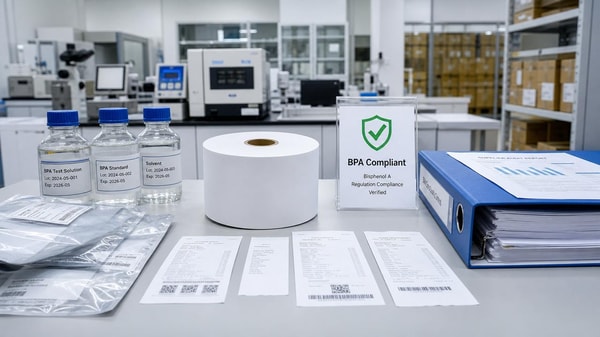
 Policy & RegulationsThermal Paper Receipts: BPA Rules and Compliance Questions in 2026Thermal paper receipts face tougher BPA scrutiny in 2026. Learn the key compliance questions, supplier checks, and risk-reduction steps buyers and safety teams should act on now.May 04, 2026
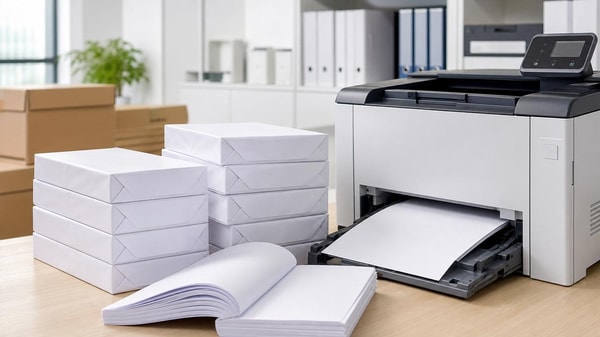
 Office FurnitureWholesale A4 Copy Paper: GSM, Brightness, and Jam Rate ExplainedWholesale A4 copy paper buying made simple: learn how GSM, brightness, and jam rate affect print quality, machine uptime, and sourcing costs across offices, schools, and print shops.Interior Sourcing LeadMay 04, 2026