Industry News
Curation by industry experts
Hot Articles
Popular Tags
UV Coating Machine Troubleshooting for Streaks, Curling, and Poor Gloss
When a uv coating machine starts producing streaks, curled sheets, or uneven gloss, after-sales maintenance teams need fast, practical answers. This guide helps you identify the most common root causes behind coating defects, from roller pressure and UV lamp performance to coating viscosity and sheet handling, so you can restore stable output, reduce downtime, and improve finish quality with confidence.
Why troubleshooting expectations for a uv coating machine are changing
Maintenance work around a uv coating machine is no longer limited to fixing breakdowns after defects appear. Across packaging, printing, commercial graphics, labels, and light manufacturing, the standard has shifted toward preventive stability. Buyers expect tighter color consistency, faster delivery, less waste, and more predictable finishing quality. That means streaks, sheet curling, and poor gloss are no longer treated as isolated machine issues; they are operational signals that affect output efficiency, customer trust, and margin control.
For after-sales maintenance personnel, this shift changes the job in three ways. First, fault diagnosis must be faster and more data-based. Second, the root cause is increasingly cross-functional, involving coating chemistry, substrate variation, pressroom climate, lamp aging, feeder settings, and operator habits. Third, customers now expect guidance that prevents repeat failures, not just a repaired uv coating machine that runs for a few hours and then returns to instability.
This is especially relevant in a broad industrial environment where converters handle shorter runs, more substrate types, and more premium finishing demands. The same uv coating machine may process art paper in the morning, carton board in the afternoon, and a sensitive laminated surface later in the day. As product mix becomes more complex, defect patterns become more dynamic, and maintenance teams need a troubleshooting method that reflects this reality.
The strongest defect signals now point to process interaction, not single-part failure
A useful trend in recent field service work is that visible defects often come from interaction between several small deviations rather than one major fault. A uv coating machine may technically still run, but if lamp intensity has dropped, coating viscosity has drifted, and roller pressure is slightly uneven, the result can be streaks or dull gloss that looks like a coating issue alone. In reality, the defect is the combined outcome of mechanical, chemical, and environmental drift.
This matters because many maintenance teams still start with parts replacement before validating process conditions. That approach increases downtime and can hide the true cause. A more effective sequence is to assess defect shape, confirm recent changes, inspect curing energy, verify coating transfer, and then move to parts-level checks. In other words, the troubleshooting model for a uv coating machine is becoming more evidence-driven and less assumption-based.
Common defect patterns and what they usually signal
What is driving more streaks, curling, and gloss complaints in the field
Several industry changes are increasing troubleshooting difficulty for every uv coating machine. One is the growing use of mixed substrates. Printers and converters are asked to run recycled board, lightweight paper, coated stock, synthetic sheets, and specialty surfaces with minimal setup time. Each material responds differently to coating pickup, UV heat, and post-cure tension, so one standard setup no longer works reliably.
Another driver is productivity pressure. To protect delivery speed, operators may reduce cleaning intervals, stretch lamp replacement cycles, or continue production with a coating batch that is near the edge of specification. These short-term decisions often create long-term instability. The uv coating machine may appear productive for a shift, but defects accumulate, rework rises, and maintenance interventions become more urgent.
A third factor is the rising finish expectation in premium packaging and printed materials. End customers notice gloss variation more quickly than before, especially under retail lighting or in e-commerce product photography. As surface quality standards rise, small problems that once passed inspection now trigger complaints. For after-sales teams, this means the tolerance window is narrower, and preventive calibration has greater value.
Key drivers behind today’s troubleshooting workload
How after-sales maintenance teams should diagnose streaks more effectively
When a uv coating machine shows streaks, the fastest route is not always to adjust pressure first. Maintenance teams should begin by identifying whether the streak is repeatable, directional, localized, or random. A repeatable line at a fixed interval usually points to roller surface damage, contamination, or mechanical eccentricity. A broader dull band may indicate uneven coating supply or roller nip imbalance. Random marks may come from bubbles, dirty sheets, unstable substrate dust, or inconsistent coating rheology.
From a trend perspective, the most successful teams now combine visual defect mapping with a short history review. Ask what changed in the last shift: new coating batch, new paper lot, lamp replacement delay, wash-up quality, room temperature swing, or speed increase. This is often where root cause emerges. A uv coating machine that produced stable gloss on one substrate may streak after a switch because the roller setting was not recalibrated for a different sheet absorbency or thickness.
A practical sequence is to inspect rollers for dried coating, score marks, and pressure uniformity; confirm coating filtration and viscosity; check pump delivery or tray condition; verify sheet cleanliness and static; and finally review machine speed against coating transfer stability. This order limits unnecessary component changes and helps isolate whether the defect starts at application, transfer, or curing.
Why curling has become a more important warning sign than many operators realize
Curling is often treated as a substrate problem, but in current production environments it is also a performance indicator for the uv coating machine and the overall finishing setup. If sheets curl after coating and curing, the issue may reflect uneven moisture distribution, excessive lamp heat, over-curing on one side, stack temperature buildup, or a mismatch between coating weight and sheet structure. In lightweight board and thinner papers, even moderate heat exposure can create strong dimensional stress.
The broader trend is that more users are processing cost-optimized or recycled materials that have less stable fiber balance. That makes curl more likely, especially when line speed changes quickly or cooling time is inadequate. After-sales teams should therefore look beyond the substrate label and evaluate energy exposure, sheet travel, pile conditions, and whether the uv coating machine is running hotter than intended due to reflector contamination or declining airflow efficiency.
If curling appears suddenly, compare front and back tension effects, inspect lamp-to-sheet distance, and review whether production was increased without adjusting curing balance. In many cases, reducing excess heat while maintaining sufficient cure solves the problem better than adding more energy.
Poor gloss is increasingly tied to curing quality, not only coating quality
A common field assumption is that poor gloss means the coating itself is wrong. In practice, poor gloss on a uv coating machine is often tied to underperforming curing conditions, inconsistent film build, or incompatible substrate surfaces. As lamps age, UV energy output falls even if the lamp still lights. Reflectors may also lose efficiency due to dirt or oxidation. The result is a surface that looks dry enough to handle but lacks the full gloss development expected by the customer.
Another growing issue is uneven gloss caused by inconsistent coating thickness. If the application system does not deliver a stable film, gloss will vary even with proper cure. That is why gloss complaints should trigger both a curing check and a transfer check. The uv coating machine must be evaluated as a system: lamp condition, reflector cleanliness, roller metering, coating temperature, and substrate receptivity all influence the final appearance.
Maintenance teams should encourage customers to trend lamp hours, monitor actual curing performance rather than replacement by calendar only, and standardize gloss evaluation under consistent lighting. These practices reduce arguments about whether a problem is “machine-related” or “material-related” and move the discussion toward measurable control.
Who feels the impact most when a uv coating machine becomes unstable
What maintenance teams should prioritize over the next service cycle
The strongest service trend is moving from reactive repair to repeatability control. For any uv coating machine with recurring streaks, curling, or poor gloss, build a service routine around the variables most likely to drift. That means documenting roller condition, nip settings, lamp hours, reflector cleanliness, coating viscosity range, substrate categories, and room temperature patterns. A brief but disciplined record often reveals why defects return under similar conditions.
It is also wise to separate immediate corrections from structural improvements. Immediate corrections include cleaning, pressure adjustment, lamp inspection, viscosity correction, and feeder tuning. Structural improvements include operator training, tighter consumable replacement standards, substrate-specific setup sheets, and agreed gloss benchmarks. The second group has greater long-term value because it reduces dependence on emergency service calls.
If a customer runs a uv coating machine across multiple product categories, recommend a defect library with photos and machine settings linked to each issue. This helps new operators and service staff identify whether a defect is likely mechanical, thermal, or material-driven. In mixed manufacturing environments, such practical knowledge systems are becoming as important as spare parts availability.
A practical judgment framework for future troubleshooting
To judge whether a uv coating machine problem is likely to grow more serious, maintenance teams should watch for recurring combinations rather than isolated events. Streaks plus rising coating waste suggest transfer instability. Curling plus customer complaints on handling suggest heat or moisture imbalance. Poor gloss plus increasing lamp hours suggest curing decline. When two or three symptoms appear together, the machine usually needs process-level attention, not only local adjustment.
Final takeaway for after-sales teams supporting a uv coating machine
The main change in today’s troubleshooting environment is that a uv coating machine must be supported as a process system, not just as a piece of hardware. Streaks, curling, and poor gloss are still common defects, but the reasons behind them are more connected to production complexity, substrate variability, tighter quality expectations, and preventive maintenance discipline than in the past.
If you want to reduce repeat service calls, focus on three priorities: verify the defect pattern before adjusting the machine, investigate what changed in the process before replacing parts, and help customers standardize setup and inspection around real operating conditions. For any team evaluating how these trends affect its own uv coating machine performance, the most useful questions are straightforward: Which variables drift most often, which defects repeat by substrate type, and which maintenance checks are still reactive when they should already be planned?
Those answers will do more than solve today’s complaint. They will help build a more stable finishing operation, protect output quality, and strengthen customer confidence in every coated sheet that leaves the line.
Recommended News
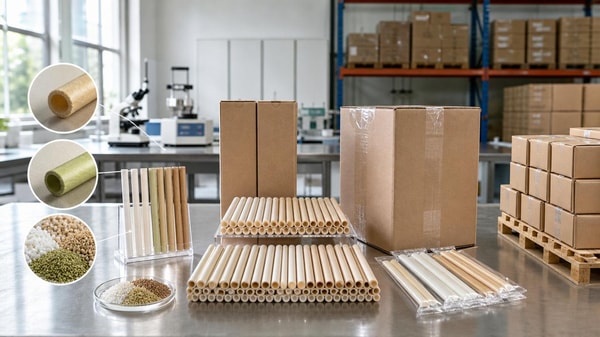
 Eco PackagingBiodegradable Straws Wholesale: What to Verify Before Switching SuppliersBiodegradable straws wholesale: verify certifications, drink performance, packaging, and export reliability before switching suppliers to cut risk, protect compliance, and improve sourcing results.Packaging Supply ExpertMay 04, 2026
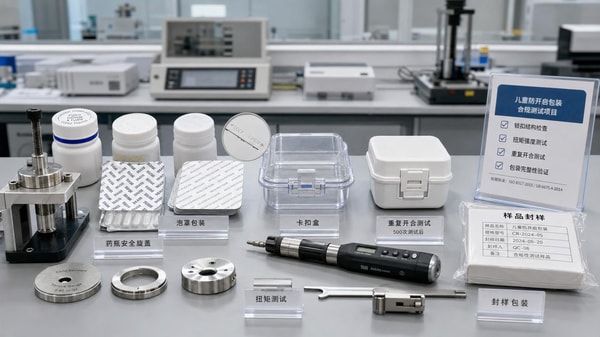
 Policy & RegulationsChild Resistant Packaging: Common Testing Failures and How to Prevent ThemChild resistant packaging failures often stem from weak locks, tolerance drift, or poor reclosure. Learn how to prevent test issues, reduce recall risk, and improve compliance readiness.May 04, 2026
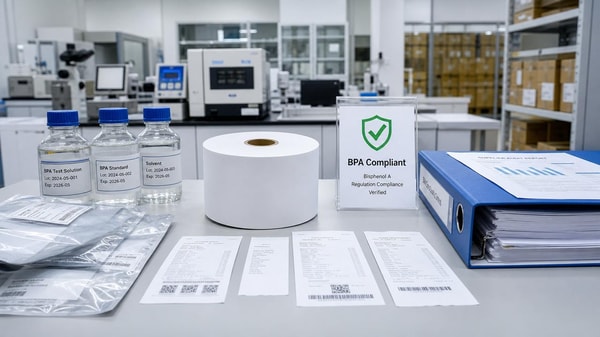
 Policy & RegulationsThermal Paper Receipts: BPA Rules and Compliance Questions in 2026Thermal paper receipts face tougher BPA scrutiny in 2026. Learn the key compliance questions, supplier checks, and risk-reduction steps buyers and safety teams should act on now.May 04, 2026
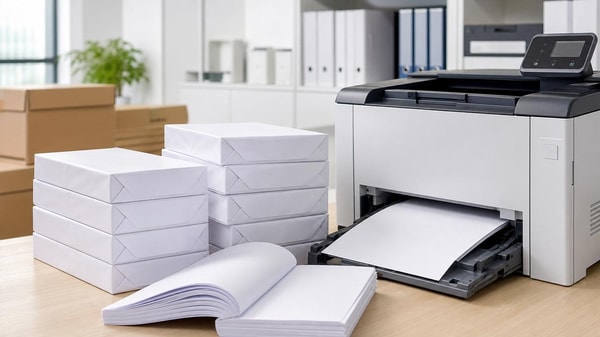
 Office FurnitureWholesale A4 Copy Paper: GSM, Brightness, and Jam Rate ExplainedWholesale A4 copy paper buying made simple: learn how GSM, brightness, and jam rate affect print quality, machine uptime, and sourcing costs across offices, schools, and print shops.Interior Sourcing LeadMay 04, 2026