Industry News
Curation by industry experts
Hot Articles
Popular Tags
PU Leather Manufacturer Checklist for Consistent Color and Backing Quality
For any pu leather manufacturer, consistent color matching and backing quality are not just production targets—they directly affect product performance, compliance, and buyer trust. This checklist is designed for quality control and safety professionals who need a practical framework to evaluate raw materials, coating stability, lamination accuracy, and batch-to-batch consistency before defects become costly claims.
Why Color and Backing Control Has Become a Strategic Risk Issue
The quality conversation around synthetic leather has changed. In the past, many buyers focused mainly on price, lead time, and visual similarity to natural leather. Today, the market is moving toward tighter quality windows, stronger compliance expectations, and lower tolerance for variation across batches. For a pu leather manufacturer, this shift means color deviation and backing inconsistency are no longer minor factory-side defects; they are supply chain risks that can trigger returns, production stoppages, and disputes over specifications.
Several signals are driving this change. Brand owners are shortening product cycles, which leaves less time for rework after shade mismatch is found. Furniture, automotive interior, bag, and footwear buyers are also aligning material approval with broader performance criteria such as abrasion resistance, odor control, restricted substance compliance, and bonding reliability. As a result, quality control teams increasingly evaluate whether a pu leather manufacturer can prove process stability, not just provide a passing sample.
For safety managers, the issue is equally important. Unstable coating chemistry, poor adhesive cure, or unsuitable backing textiles can affect emissions, delamination behavior, and product life. This is why a modern checklist must connect trend awareness with production checkpoints. The objective is not only to catch defects, but to understand which changes in the market are making certain defects more costly than before.
Current Industry Signals Quality Teams Should Not Ignore
The most relevant trend is the move from appearance-based approval to consistency-based approval. Buyers now ask how a pu leather manufacturer controls lot variation under changing environmental and raw material conditions. A good sample is no longer enough if the factory cannot maintain the same result at scale.
Another important signal is the growth of multi-source procurement. Importers and converters often keep backup suppliers to reduce geopolitical and logistics risks. This creates a tougher benchmark environment because every pu leather manufacturer is being compared not only on cost, but also on color reproducibility, backing performance, and document transparency. In this setting, small process drift becomes easier for buyers to detect.
A third signal is the rise of application-specific performance requirements. Materials used for sofa upholstery, office seating, fashion accessories, and wall panels do not fail in the same way. Some buyers prioritize hydrolysis resistance, while others focus on stitching stability, peel strength, or low odor. The backing layer therefore matters more than before, because substrate selection directly influences handling, dimensional stability, and long-term adhesion.
What Is Driving More Variation in Color and Backing Performance
Variation is not caused by one issue alone. It often comes from a combination of upstream material shifts, process adjustments, and communication gaps between sales, production, and inspection teams. For any pu leather manufacturer, the first step is to identify where instability is most likely to enter the process.
Raw material volatility
Pigments, resins, release papers, and textile backings can all vary slightly between lots. Even when suppliers meet baseline specifications, small differences in absorbency, viscosity, or surface energy may affect final shade, gloss, and bonding results. This is especially relevant when a pu leather manufacturer changes suppliers for cost or availability reasons without fully requalifying the incoming materials.
Process sensitivity
Coating thickness, drying temperature, line speed, embossing conditions, and adhesive application all influence appearance and backing integrity. Shade that looks correct under one curing profile may shift under another. Likewise, backing wrinkling or poor peel strength may reflect uneven lamination pressure rather than defective fabric alone. Trend-wise, as buyers ask for finer textures and softer handfeel, process windows become narrower.
Specification complexity
A growing number of orders combine visual requirements with technical performance standards. A pu leather manufacturer may be asked to hit a specific shade, grain effect, thickness tolerance, and backing composition while also meeting test criteria for abrasion, flexing, hydrolysis, or chemical safety. The more layered the requirement, the more likely one small compromise creates a downstream failure.
A Practical Checklist for Evaluating a PU Leather Manufacturer
The following checklist is most useful during supplier approval, production audit, or recurring batch review. It helps quality and safety professionals convert broad expectations into measurable control points.
1. Confirm raw material change control
Ask whether the pu leather manufacturer has a formal approval process before switching pigment sources, base resins, adhesive systems, release papers, or backing textiles. A strong supplier should document changes, assess risk, and retain comparison samples. If substitutions happen informally, color drift and lamination issues become much harder to trace.
2. Review color matching under real-use conditions
Do not rely on visual approval under one light source only. Check whether the pu leather manufacturer uses standard lighting conditions, lot references, and objective color measurement where applicable. Also verify whether shade assessment is done before and after embossing, curing, or topcoat application, since these stages can alter perception.
3. Examine backing specification discipline
Backing quality should be treated as a structural parameter, not a secondary feature. Confirm fabric type, weight, weave or knit structure, elongation behavior, and surface cleanliness. A reliable pu leather manufacturer should be able to explain why a specific backing is chosen for a given end use and how incoming rolls are inspected before lamination.
4. Verify lamination and bonding stability
Check adhesive application consistency, cure conditions, and peel strength records. Ask how the factory monitors edge lifting, bubble formation, and interlayer separation. If the pu leather manufacturer cannot show routine bonding data by batch, quality risk remains hidden until the material is stitched, stretched, or exposed to heat in downstream production.
5. Assess batch-to-batch retention samples
A disciplined pu leather manufacturer keeps approved standards, production retains, and complaint reference samples in a traceable system. This matters because many buyer claims arise weeks after shipment, when exact comparison is needed. Without retained references, root cause analysis becomes opinion-based.
6. Connect safety review with quality review
QC and safety teams should jointly confirm whether coating materials, solvents, plasticizers, or adhesives create additional compliance or odor concerns. A pu leather manufacturer with siloed departments may pass visual inspection while overlooking safety-related process changes that later affect product acceptance.
Who Feels the Impact Most When Control Is Weak
The effects of poor consistency spread across functions, not just the factory floor. That is why quality review should consider internal and external stakeholders together.
How a Stronger Evaluation Model Should Evolve
The old model asked whether a pu leather manufacturer could make the requested article. The better model asks whether the supplier can repeat it under normal production variation, document the controls, and communicate deviations early. This is a major shift in decision criteria.
In practical terms, quality teams should move from isolated final inspection toward layered verification. That means checking supplier input stability, in-process control points, and final material behavior together. If only the finished roll is reviewed, many warning signals are missed. The market direction is clear: buyers reward manufacturers that can demonstrate stable systems, not just attractive samples.
It is also worth watching how digital traceability is entering this space. More buyers now expect lot coding, test record access, and faster nonconformance analysis. A pu leather manufacturer that invests in traceable production data will usually respond better when claims arise, because the discussion can move from assumptions to evidence.
Key Judgment Questions for the Next Supplier Review
If your team is deciding whether to approve or continue with a pu leather manufacturer, focus on a few judgment questions. Has the supplier experienced recent raw material changes? Are color tolerances documented and reviewed by lot? Is backing selection linked to the actual end-use stress profile? Are bonding records consistent over time? Can the supplier show corrective action from previous complaints and explain how recurrence was prevented?
These questions help separate normal manufacturing variation from unmanaged risk. They also support better cross-functional decisions, because quality, safety, and sourcing teams can evaluate the same supplier through a shared framework.
Final Takeaway for Quality and Safety Professionals
The direction of the market is unmistakable: consistency is becoming more important than isolated sample approval, and backing performance now carries greater commercial and compliance relevance. For any pu leather manufacturer, this means process discipline, documented change control, and application-specific validation are becoming core trust signals.
For buyers and internal review teams, the best response is to treat color matching and backing quality as part of a wider trend in supply chain assurance. If you want to judge how these changes affect your own sourcing decisions, start by confirming five points: what has changed in raw materials, how the factory controls shade repeatability, how backing is qualified, how lamination stability is verified, and how complaints are traced back to root cause. Those answers will tell you far more about a pu leather manufacturer than a single approved swatch ever can.
Recommended News
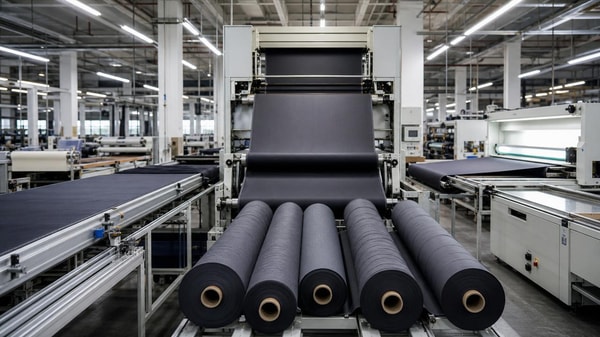
 Home DecorBlackout Curtain Manufacturer Comparison: Lead Times, Coating Quality, and RiskBlackout curtain manufacturer comparison guide: evaluate lead times, coating quality, compliance, and sourcing risk to choose reliable suppliers and avoid costly delays.Interior Sourcing LeadMay 02, 2026
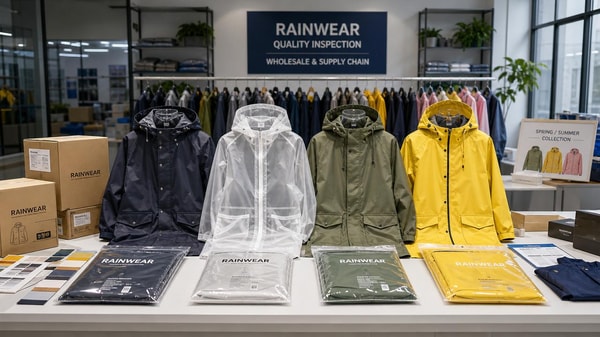
 Garment MfgWholesale Raincoats: What to Review Before Expanding a Seasonal Product LineWholesale raincoats buyers: review materials, sizing, compliance, supplier reliability, and margins before expanding your seasonal product line. Reduce risk and choose smarter.Textile Industry AnalystMay 02, 2026
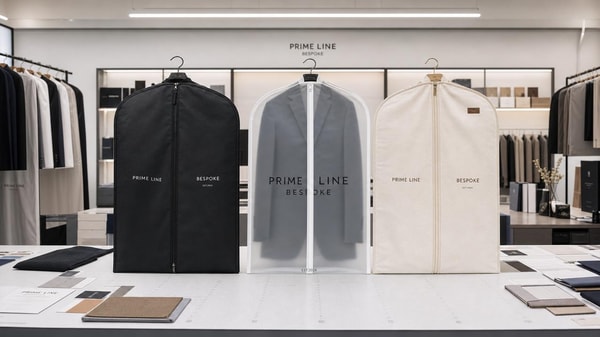
 Eco PackagingCustom Garment Bags: Materials and Print Choices That Shape Brand PerceptionCustom garment bags shape brand perception through material and print choices. Discover how to balance quality, sustainability, cost, and sourcing for stronger B2B packaging decisions.Packaging Supply ExpertMay 02, 2026
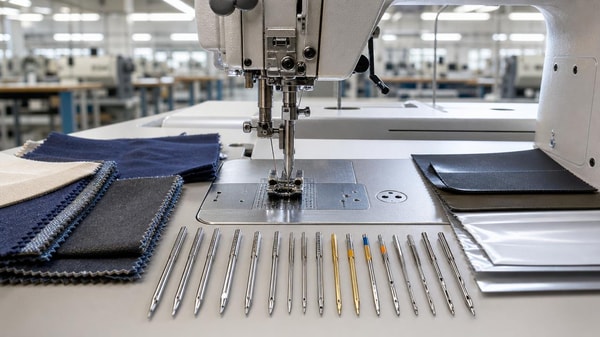
 Garment MfgIndustrial Sewing Needles: Small Specification Changes That Cause Big DowntimeIndustrial sewing needles can cause major downtime when point, size, coating, or length is mismatched. Learn how to spot hidden issues faster and reduce costly line stops.Textile Industry AnalystMay 02, 2026