Industry News
Curation by industry experts
Hot Articles
Popular Tags
Suede Fabric Wholesale: How to Compare Hand Feel, Durability, and Price
In suede fabric wholesale, choosing the right supplier means balancing soft hand feel, long-term durability, and competitive pricing without compromising product standards. For business evaluators, a clear comparison framework can reduce sourcing risk, improve margin control, and support better purchasing decisions. This guide explains how to assess suede fabrics with practical criteria that align quality expectations with commercial value.
Why Application Scenario Matters in Suede Fabric Wholesale
In business evaluation, suede fabric is rarely purchased for “general use.” It is usually tied to a specific end market: fashion apparel, upholstery, footwear, accessories, automotive interiors, or promotional products. That is why suede fabric wholesale decisions should not start with price alone. A fabric that feels luxurious in a showroom may fail in a high-friction seating application. A highly durable option may exceed the needs of a seasonal handbag line and weaken margin performance.
For procurement teams, the real question is not simply whether one suede is better than another, but whether a particular suede construction matches the expected wear level, brand positioning, compliance expectations, and target cost of the product category. Different scenarios create different priorities. In one case, hand feel drives conversion. In another, abrasion resistance and colorfastness matter more than softness. Good sourcing decisions in suede fabric wholesale come from comparing those trade-offs in context.
Common Business Scenarios and What Buyers Should Prioritize
Below is a practical comparison table that helps business evaluators align suede fabric wholesale sourcing with actual application demands rather than generic quality claims.
How to Compare Hand Feel by End Use, Not by Emotion Alone
Hand feel is often the first point of discussion in suede fabric wholesale, but it is also the most subjective. Business evaluators should convert “soft” or “premium” into structured observations. For apparel, the relevant questions are whether the suede drapes naturally, whether the nap direction is visually attractive, and whether it remains comfortable against skin or lining. For furniture, softness matters, but resilience and touch stability after repeated use are often more important than initial plushness.
A useful evaluation method is to create a scorecard with categories such as softness, smoothness, fullness, drape, visual depth, and touch consistency across multiple rolls. If the suede fabric wholesale supplier can only provide a single excellent sample but cannot guarantee batch consistency, that is a warning sign. In commercial buying, repeatability matters as much as first impression.
It is also important to identify the fiber base and finishing treatment. Microfiber suede, polyester blends, and brushed synthetic alternatives can all produce different touch profiles. Some fabrics are engineered to imitate natural suede closely, while others prioritize cleaning ease or cost efficiency. The “best” hand feel depends on the final product promise. Luxury fashion may reward softness and visual richness, while mass retail may prefer a balanced hand that protects margin and reduces complaints.
Practical hand feel checks during supplier review
- Touch multiple production lots, not one lab sample.
- Check whether the nap marks easily and whether recovery is acceptable.
- Review drape in the intended pattern shape or upholstery tension condition.
- Compare hand feel together with coating, backing, and thickness stability.
How Durability Standards Change Across Scenarios
Durability in suede fabric wholesale should never be reviewed as a single generic feature. Different applications stress the material in different ways. Footwear creates repeated flexing, toe rub, and edge stress. Upholstery creates high abrasion and body-contact wear. Bags may create pulling at seams, shape loss, and corner friction. Automotive interiors may require stronger lightfastness, dimensional stability, and testing documentation.
That means business evaluators should request the right test evidence for the right use case. Abrasion resistance may be critical for furniture, but less decisive for decorative fashion trim. Tear strength may matter more in structured accessories than in lightweight garments. Colorfastness to rubbing and light should be reviewed carefully in high-contact or high-exposure environments.
A common sourcing mistake is paying for performance that the final product does not need, or worse, under-specifying a fabric because it feels premium at first touch. Good suede fabric wholesale practice links the durability requirement to expected lifecycle, complaint cost, brand reputation risk, and replacement economics. A low-cost suede that fails after market launch is rarely cheap in total business terms.
Price Comparison in Suede Fabric Wholesale: Look Beyond the Quote
For commercial sourcing, price should be evaluated as total delivered value, not as price per meter alone. Two suede fabric wholesale offers may look similar on paper while producing very different real costs. Differences in usable width, roll defects, shade variation, backing quality, and cutting yield can materially affect the final cost per finished unit.
Business evaluators should also compare supplier reliability. A lower unit price can become expensive if lead times are unstable, reorders do not match original color, or claim handling is weak. In seasonal industries, delayed delivery can destroy selling windows. In contract manufacturing, unstable quality can increase inspection costs and rework. In both cases, the visible quote hides the real exposure.
When assessing suede fabric wholesale pricing, ask for a breakdown that includes MOQ, sampling cost, color development terms, packaging method, defect allowance, shipment terms, and any premium for certified or recycled content. For larger buyers, negotiation should focus on value drivers such as consistent bulk quality, forecast support, and reduced rejection rate rather than only pushing for the lowest starting number.
A better pricing checklist
- Quoted price versus effective usable yield
- Lab dip approval speed and color repeatability
- Claims policy for bulk inconsistency
- Lead time reliability during demand peaks
- Testing support and compliance documentation quality
Scenario-Based Buying Advice for Different Business Types
Not every buyer approaches suede fabric wholesale with the same risk tolerance. A private-label fashion brand may value trend responsiveness and lower MOQ. A furniture importer may focus on repeatability and claims prevention. A sourcing office serving multiple clients may need a broad supplier matrix with clear grading by touch, durability, and cost tier.
Common Evaluation Mistakes in Suede Fabric Wholesale
Several repeat mistakes appear in suede fabric wholesale projects. The first is treating softness as proof of quality. Softness can come from finishing choices that do not necessarily predict strength, wear life, or batch stability. The second is reviewing lab test data without confirming whether the tested construction exactly matches the offered bulk item. The third is comparing prices across suppliers without normalizing width, composition, backing type, and defect tolerance.
Another common issue is failing to connect technical review with real production behavior. Some suede fabrics cut well but stretch during sewing. Others look rich in full rolls but show shade direction issues when panel-matched. For upholstery or accessories, these operational details can directly affect waste and labor cost. A reliable suede fabric wholesale evaluation should involve procurement, quality, and production perspectives together.
What to Confirm with Suppliers Before Final Approval
Before placing volume orders, business evaluators should confirm a focused set of points: exact composition, backing structure, thickness tolerance, color repeatability, available certifications, test methods used, MOQ by color, standard lead time, and claim resolution process. If the product is intended for a regulated or reputation-sensitive market, request evidence early rather than after commercial negotiation.
In suede fabric wholesale, the strongest suppliers are not just those offering attractive samples. They are the ones that can explain how the fabric performs in your application, what trade-offs exist between softness and durability, and how price changes with construction or finishing choices. That level of transparency supports faster approvals and lower sourcing risk.
FAQ for Business Evaluators
How can I judge whether a higher-priced suede is worth it?
Check whether the higher price delivers measurable value in your scenario: better abrasion resistance, lower defect rate, stronger color consistency, easier processing, or stronger market positioning. If the upgrade does not improve your business outcome, it may not be justified.
Is microfiber suede always better for wholesale buying?
Not always. Microfiber suede can offer strong consistency and good performance, but the best choice depends on target use, desired appearance, testing needs, and budget. Evaluate it against your actual application rather than assuming it is universally superior.
What is the biggest hidden cost in suede fabric wholesale?
In many cases, it is inconsistency: shade variation, unstable quality across lots, or production losses caused by difficult handling. These problems raise waste, delay shipments, and create return risk.
Final Takeaway: Match the Fabric to the Business Scenario
The most effective suede fabric wholesale decisions come from scenario-based evaluation. Instead of asking which suede is simply softer, stronger, or cheaper, ask which option is most suitable for the intended product, customer expectation, and margin model. Compare hand feel in relation to brand position, durability in relation to actual wear, and price in relation to total delivered value.
For business evaluators, a structured sourcing framework reduces guesswork and makes supplier comparison more objective. If you define the application clearly, request relevant performance evidence, and measure total cost rather than headline price, you will be in a stronger position to select a suede fabric wholesale partner that supports both product quality and commercial results.
Recommended News
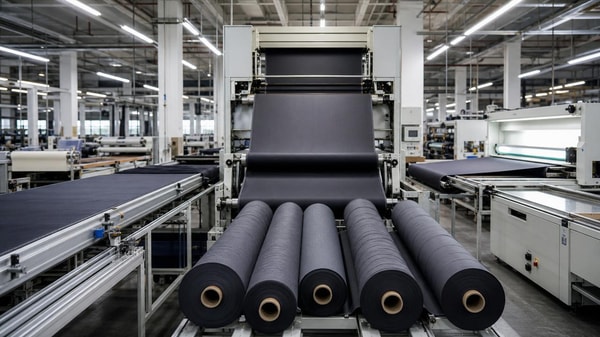
 Home DecorBlackout Curtain Manufacturer Comparison: Lead Times, Coating Quality, and RiskBlackout curtain manufacturer comparison guide: evaluate lead times, coating quality, compliance, and sourcing risk to choose reliable suppliers and avoid costly delays.Interior Sourcing LeadMay 02, 2026
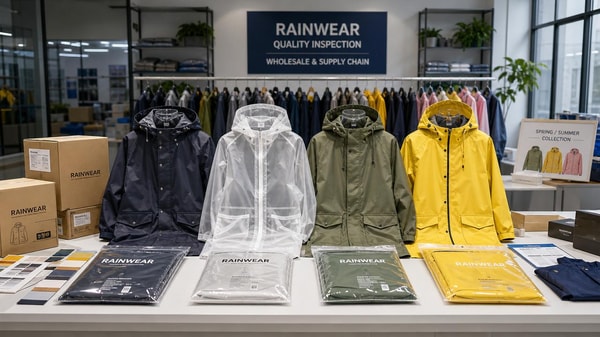
 Garment MfgWholesale Raincoats: What to Review Before Expanding a Seasonal Product LineWholesale raincoats buyers: review materials, sizing, compliance, supplier reliability, and margins before expanding your seasonal product line. Reduce risk and choose smarter.Textile Industry AnalystMay 02, 2026
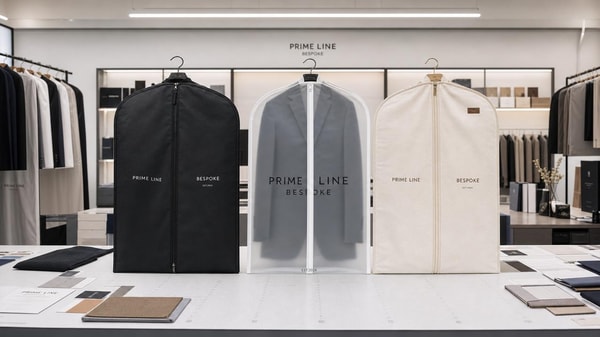
 Eco PackagingCustom Garment Bags: Materials and Print Choices That Shape Brand PerceptionCustom garment bags shape brand perception through material and print choices. Discover how to balance quality, sustainability, cost, and sourcing for stronger B2B packaging decisions.Packaging Supply ExpertMay 02, 2026
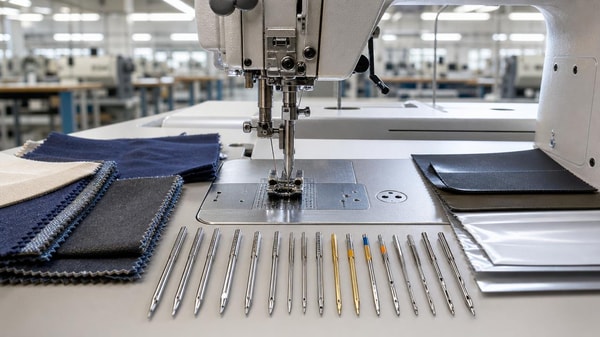
 Garment MfgIndustrial Sewing Needles: Small Specification Changes That Cause Big DowntimeIndustrial sewing needles can cause major downtime when point, size, coating, or length is mismatched. Learn how to spot hidden issues faster and reduce costly line stops.Textile Industry AnalystMay 02, 2026