Industry News
Curation by industry experts
Hot Articles
Popular Tags
D-Limonene Added to EU SVHC Candidate List – Impact on Photo Styling Products
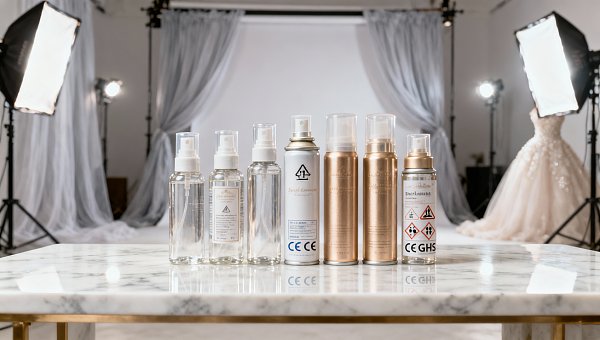
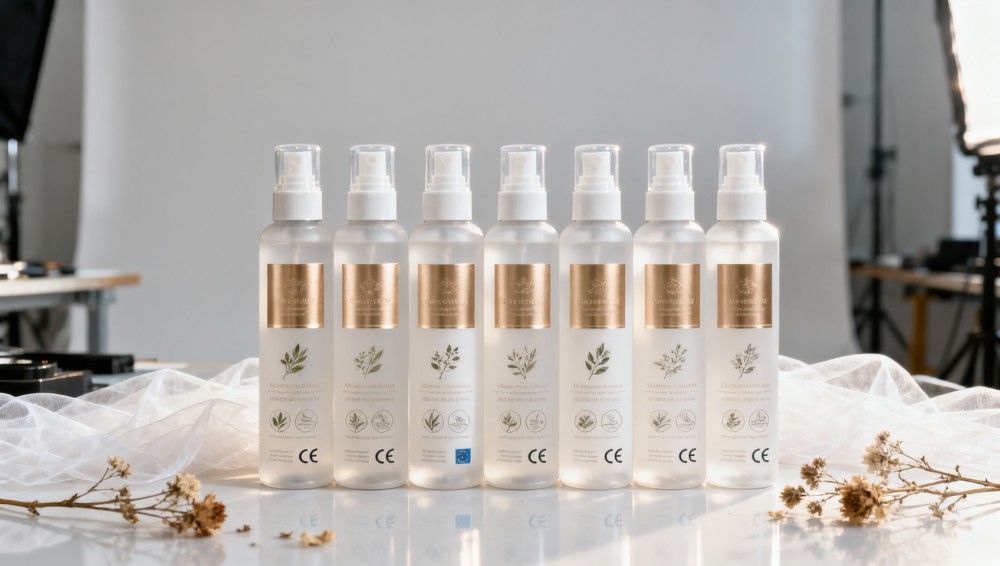
On 7 May 2026, the European Chemicals Agency (ECHA) added D-Limonene to the Candidate List of Substances of Very High Concern (SVHC) — the 29th update. This natural solvent, commonly used in Chinese-manufactured bridal photography hair sprays, styling mists, and fabric fragrancing sprays, is now subject to SCIP notification and SDS disclosure requirements for articles containing ≥0.1% by weight. Exporters and suppliers of cosmetic-adjacent photo styling products to the EU must reassess compliance timelines and documentation workflows.
Event Overview
On 7 May 2026, ECHA officially listed D-Limonene (CAS No. 5989-27-5) in the SVHC Candidate List due to its identified skin sensitisation and respiratory irritation hazards. This inclusion triggers obligations under the EU REACH Regulation: from the date of listing, manufacturers, importers, and downstream users placing articles containing ≥0.1% D-Limonene on the EU market must submit SCIP notifications to ECHA within six months and provide Safety Data Sheets (SDS) to recipients in the supply chain.
Industries Affected by This Update
Direct Exporters of Photographic Styling Products
Companies exporting bridal photography hair sprays, setting mists, or fabric-scented sprays from China to the EU are directly affected. D-Limonene is frequently used as a fragrance carrier and solvent in these products. The new obligation requires them to verify formulation composition, initiate SCIP submissions, and ensure SDS availability — adding documentation overhead and potential delays in customs clearance and delivery schedules.
Raw Material Sourcing & Blending Facilities
Suppliers providing D-Limonene-containing fragrance blends or pre-mixed solvents to cosmetic-adjacent product manufacturers face upstream compliance pressure. They must now confirm whether their supplied mixtures meet the ≥0.1% threshold and prepare updated SDS with SVHC identification — impacting batch traceability and technical data handover processes.
Contract Manufacturers & OEM/ODM Factories
Factories producing private-label or white-label photo styling sprays for EU brands must verify raw material specifications across all tiers. Even if D-Limonene is present only in minor fragrance components, its cumulative concentration may exceed the 0.1% threshold — requiring reformulation review, supplier declarations, and internal compliance audits before shipment.
Distribution & Import Agents in the EU
EU-based importers and authorised representatives acting for non-EU producers must now collect SCIP data and SDS from upstream suppliers. Failure to obtain or submit this information within the six-month window may result in non-compliant placement on the market, affecting inventory readiness and contractual fulfilment.
What Affected Businesses Should Prioritise Now
Verify current formulations against the 0.1% D-Limonene threshold
Conduct immediate compositional review of all spray-based photo styling products — especially those using citrus-derived fragrances or bio-based solvents — to determine whether D-Limonene concentration meets or exceeds the reporting threshold. Analytical testing or supplier confirmation letters may be required where declaration is ambiguous.
Initiate SCIP dossier preparation and assign internal responsibility
Designate a responsible person or team to manage SCIP submission via IUCLID software, ensuring alignment with ECHA’s latest format requirements. Note that SCIP submission applies per article type (e.g., aerosol can + nozzle assembly), not per SKU variant — simplifying but still requiring systematic categorisation.
Update SDS and internal communication protocols with EU partners
Revise Section 3 (Composition) and Section 15 (Regulatory Information) of existing SDS to reflect D-Limonene’s SVHC status. Distribute updated SDS proactively to EU importers and downstream users — not only to meet legal obligations but also to avoid last-minute delivery hold-ups at border control.
Monitor upcoming ECHA guidance and national enforcement trends
While the listing is effective immediately, national enforcement authorities may issue sector-specific interpretations or transitional clarifications in the coming months. Subscribe to official ECHA updates and track national helpdesk advisories (e.g., from Germany’s BAuA or France’s ANSES) for implementation nuances.
Editorial Observation / Industry Perspective
This listing is best understood not as an isolated regulatory event, but as a signal of increasing scrutiny on naturally derived substances in consumer-facing applications. Analysis shows that ECHA’s focus is shifting toward hazard-based assessment — even for widely used, plant-sourced ingredients — rather than solely synthetic or industrial chemicals. Observably, the inclusion reflects growing alignment between allergen risk management in cosmetics and broader article safety frameworks under REACH. From an industry perspective, it signals that ‘natural’ does not equate to ‘regulatory exempt’, particularly when applied in inhalable or dermal-contact formats like aerosol sprays. Current enforcement momentum suggests this will likely accelerate scrutiny of other terpenes and volatile fragrance compounds in similar product categories.
Conclusion
This update marks a concrete compliance requirement for exporters of photo styling sprays to the EU — not merely a procedural notice. It confirms that formulation transparency, supply chain documentation, and proactive SDS management have become non-negotiable elements of market access. Rather than viewing it as a one-time administrative task, stakeholders should treat it as a structural prompt to strengthen chemical inventory governance across product development, procurement, and logistics functions.
Source Attribution
Main source: European Chemicals Agency (ECHA), Candidate List of Substances of Very High Concern for Authorisation (29th update, published 7 May 2026).
Note: Ongoing monitoring is recommended for national enforcement guidance and potential future restrictions under Annex XIV (Authorisation List), which are not yet proposed but remain possible in subsequent regulatory cycles.
Recommended News
 Export UpdatesNingbo Port Launches 'Green Export Index' for Wedding Photography GoodsWedding photography goods exporters: Ningbo Port’s new Green Export Index reveals 98.2% customs pass rate for OEKO-TEX®/GOTS fabrics & IEC 62471 LED lights — boost your sustainability credibility now.May 09, 2026
 Carton & PlasticsECHA Adds D-Limonene to SVHC List: Impact on Bridal Photo Spray ExportsBridal photo spray exporters: ECHA’s D-Limonene SVHC listing (May 2026) triggers urgent SDS & label updates for EU-bound hair and fabric sprays.Packaging Supply ExpertMay 09, 2026
 Fabrics & YarnsVietnam Enforces QCVN 17:2026 for Wedding Photo BackdropsVietnam enforces QCVN 17:2026 for wedding photo backdrops—mandatory formaldehyde testing & B1 flame-retardant labeling. Ensure compliance now to avoid market access delays.Textile Industry AnalystMay 09, 2026
 Building HardwareIndia BIS Mandate: Aluminum Photo Backdrop Stands Must Pass Dual Testing by June 30, 2026Aluminum photo backdrop stands for wedding photography must pass BIS salt spray & load testing by June 30, 2026—secure certification now to avoid import bans in India.Tooling & Hardware LeadMay 09, 2026