Industry News
Curation by industry experts
Hot Articles
Popular Tags
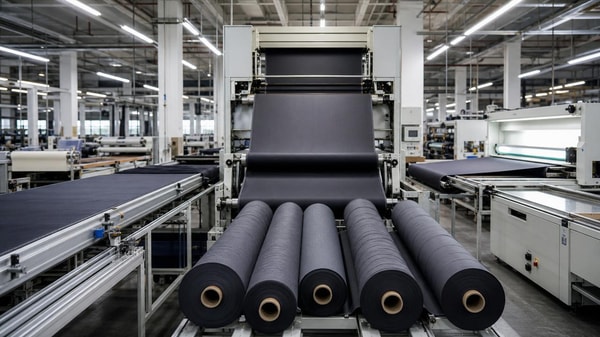
Textile Sizing Machine Setup Tips for Better Yarn Protection and Less Waste
A well-configured textile sizing machine can make the difference between strong, protected yarn and costly waste on the production floor. For operators, the right setup is not just about speed—it directly affects yarn breakage, size pickup consistency, drying performance, and downstream weaving efficiency. This guide shares practical setup tips to help improve yarn protection, reduce material loss, and support smoother daily operation.
Understanding the role of a textile sizing machine
A textile sizing machine is a core preparation system used before weaving to apply a protective size film to warp yarns. The main purpose is simple: strengthen the yarn surface, reduce hairiness, improve abrasion resistance, and help the warp survive repeated friction during weaving. In practical mill operation, however, sizing is never just about coating yarn. It is a balance of chemistry, mechanical tension, drying control, and machine synchronization.
When the textile sizing machine is set up correctly, operators usually see fewer end breaks, more even size add-on, smoother beam build, and less lint or waste in later processes. When setup is poor, the opposite happens: over-sizing raises costs, under-sizing weakens protection, incorrect drying can damage elasticity, and unstable tension can create streaks, snarling, or broken ends. For this reason, setup quality directly influences both product quality and resource efficiency.
In today’s textile and apparel supply chain, buyers and production managers also pay more attention to process control, waste reduction, and consistent output. This is especially relevant for mills serving international sourcing networks, where repeatability, documentation, and material efficiency have become part of broader operational trust signals.
Why setup quality matters more than speed
Many operators are asked to improve machine productivity, but a faster line is only useful when sizing remains stable. A textile sizing machine running at a high speed with poor immersion, weak squeezing control, or uneven drying often creates hidden waste that shows up later in weaving. The loss may include extra size consumption, rework, loom stoppage, damaged yarn packages, and inconsistent fabric performance.
Good setup supports three priorities at the same time. First, it protects the yarn by forming a controlled film rather than a brittle or sticky layer. Second, it reduces waste by keeping size pickup within target and avoiding over-drying or excessive mechanical stress. Third, it improves process continuity so operators can maintain predictable production with fewer corrections during the shift.
Core setup areas operators should check first
Before starting production, operators should view the textile sizing machine as a linked system rather than a set of isolated sections. The size box, squeeze rollers, drying chambers, tension zones, and winding unit all affect one another. A problem that appears in drying, for example, may actually begin with incorrect viscosity or immersion depth in the size box.
Start with the yarn, not just the machine
One of the most important setup principles is to match machine conditions to the yarn style. Cotton, polyester blends, viscose, and specialty yarns do not respond the same way to size chemistry, squeeze pressure, or drying intensity. Fine-count yarns often need gentler tension and more precise moisture control. Hairier spun yarns may need stronger surface binding, while filament-based systems may require careful management to avoid sticking and flattening.
Operators should review yarn count, twist level, fiber composition, moisture sensitivity, and target loom speed before finalizing textile sizing machine settings. A standard recipe copied from another style may run, but it may not provide the best yarn protection or waste control for the current order.
Practical size box setup tips for better yarn protection
The size box is where protection begins. If the solution is too thick, yarns may carry more size than needed, increasing cost and making the film brittle after drying. If it is too thin, the yarn may not gain enough abrasion resistance. The best approach is to maintain a stable concentration and temperature through regular checks rather than relying on visual judgment alone.
Keep circulation and mixing steady so solids do not separate. Watch for foam, contamination, or skin formation in the bath, as these can create inconsistent coating. Threading should also be smooth and symmetrical. Uneven yarn spread inside the textile sizing machine can produce different absorption rates across the sheet, which later appears as weaving variation.
It is also useful to confirm immersion depth and dwell time. Too little contact may reduce penetration, while too much can over-wet the sheet and increase drying load. Operators should target controlled wetting, not excessive soaking.
Control squeeze pressure to avoid hidden waste
Squeeze rollers are often where waste either gets reduced or multiplied. Their job is to remove excess liquor and equalize size pickup across all ends. If roller pressure is too low, the textile sizing machine may leave the yarn sheet overloaded with size, increasing raw material use and drying demand. If pressure is too high, it can crush the yarn structure, reduce flexibility, or create uneven add-on when roller alignment is poor.
Check roller surface condition, hardness, alignment, and nip uniformity. Worn or damaged covers can create side-to-side variation. A common best practice is to verify pickup through test samples during startup, then make small, measured adjustments rather than large corrections. Stable squeeze control usually delivers one of the fastest improvements in size savings.
Use drying settings that protect strength instead of forcing output
Drying is not simply about removing moisture as fast as possible. On a textile sizing machine, drying should create a flexible and uniform protective layer. Overheating may make the size film brittle and raise end-break risk in weaving. Under-drying can leave tackiness, poor separation, or unstable beam quality.
A progressive temperature profile is often safer than an aggressive one. Start with enough heat to stabilize moisture removal, then complete drying without shocking the yarn. Operators should watch not only final moisture but also how evenly the sheet travels through the drying section. Airflow balance, cylinder condition, steam consistency, and line speed all affect results.
If yarn feels harsh, brittle, or flattened after drying, the issue may be thermal rather than chemical. That is why drying data should be reviewed together with size pickup and tension readings, not in isolation.
Tension setup is critical across the full textile sizing machine
Excess tension is one of the most common causes of yarn damage during sizing. Even when size chemistry is correct, poor zone-to-zone tension can stretch the yarn, open weak places, and reduce the protective value of the process. Low tension, on the other hand, may cause unstable yarn paths, sheet vibration, and poor separation.
The goal is balanced tension from creel to beam. Operators should monitor brake settings, expansion rods, separator function, and winding conditions. The textile sizing machine should allow smooth transport rather than repeated pulling and recovery. This is especially important for fine yarns and blends that are sensitive to elongation.
Typical setup priorities by yarn situation
Different production styles require different setup emphasis. The table below gives a practical overview for operators who need a fast reference before startup.
Daily operating habits that reduce waste over time
Waste reduction on a textile sizing machine does not come from one major adjustment alone. It usually comes from disciplined daily habits. Record size viscosity, temperature, pickup, machine speed, drying conditions, and break frequency by order. Patterns in this data help operators identify which setting combinations protect yarn best.
Clean rollers, guides, and drying surfaces on schedule. Small deposits can change friction, pressure, and heat transfer. Inspect sensors and measuring devices so operators are not reacting to false readings. During startup, avoid rushing to full speed before stability is confirmed. A controlled ramp-up often saves more yarn than a fast launch that leads to repeated stops.
Communication also matters. Operators, lab staff, and weaving teams should share feedback. If loom stops increase, the sizing setup should be reviewed early rather than assuming the issue belongs only to weaving.
What operators should monitor after setup changes
Any change on a textile sizing machine should be validated by results, not just by machine response. Key indicators include size add-on consistency, moisture after drying, warp sheet appearance, yarn feel, beam hardness, and end-break frequency in weaving. If one parameter improves while another becomes unstable, the setup is not yet optimized.
A useful rule is to adjust one major variable at a time when troubleshooting. Changing concentration, squeeze pressure, drying temperature, and speed all at once makes root causes hard to identify. Step-by-step correction creates better learning and more repeatable operation.
A practical path to more stable sizing performance
For most mills, the best textile sizing machine setup is not the most aggressive one. It is the one that consistently protects yarn, controls size consumption, supports clean drying, and feeds weaving with fewer interruptions. That means matching settings to yarn type, stabilizing the size box, keeping squeeze pressure even, managing drying carefully, and balancing tension throughout the line.
As global sourcing standards continue to favor efficiency, quality consistency, and accountable manufacturing, better sizing control becomes part of broader operational competitiveness. Operators who understand how the textile sizing machine behaves as a complete system are in the strongest position to reduce waste and improve output every day.
If your team is reviewing process efficiency, yarn protection, or production consistency, start with a structured setup checklist and track the results order by order. Small improvements in machine setup often lead to measurable gains in material savings, loom efficiency, and overall process confidence.
Recommended News
 Home DecorBlackout Curtain Manufacturer Comparison: Lead Times, Coating Quality, and RiskBlackout curtain manufacturer comparison guide: evaluate lead times, coating quality, compliance, and sourcing risk to choose reliable suppliers and avoid costly delays.Interior Sourcing LeadMay 02, 2026
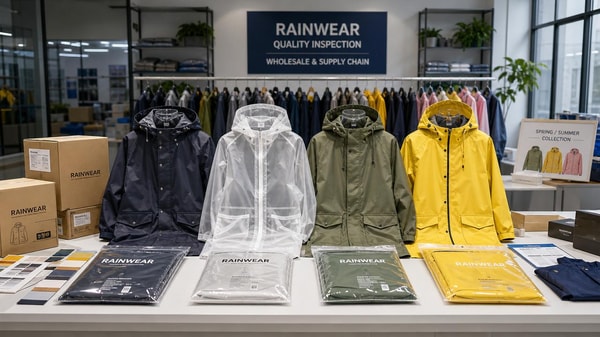
 Garment MfgWholesale Raincoats: What to Review Before Expanding a Seasonal Product LineWholesale raincoats buyers: review materials, sizing, compliance, supplier reliability, and margins before expanding your seasonal product line. Reduce risk and choose smarter.Textile Industry AnalystMay 02, 2026
 Eco PackagingCustom Garment Bags: Materials and Print Choices That Shape Brand PerceptionCustom garment bags shape brand perception through material and print choices. Discover how to balance quality, sustainability, cost, and sourcing for stronger B2B packaging decisions.Packaging Supply ExpertMay 02, 2026
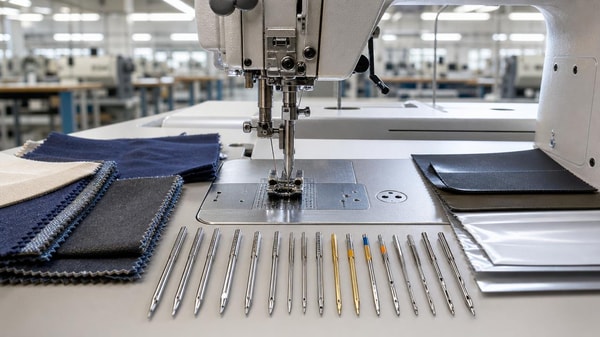
 Garment MfgIndustrial Sewing Needles: Small Specification Changes That Cause Big DowntimeIndustrial sewing needles can cause major downtime when point, size, coating, or length is mismatched. Learn how to spot hidden issues faster and reduce costly line stops.Textile Industry AnalystMay 02, 2026