Industry News
Curation by industry experts
Hot Articles
Popular Tags
2026 Shanghai Bridal Expo Shifts Fully to VR Cloud Platform for Global Buyers
The 2026 Shanghai International Bridal Expo has transitioned entirely to a virtual reality (VR) cloud exhibition platform, effective May 25, 2026 — a strategic response to rising international travel costs and visa-related uncertainties affecting overseas exhibitors and buyers.

Event Implementation Confirmed by Organizers
On May 24, 2026, the exhibition organizers announced the cancellation of all physical booths for overseas exhibitors at the originally scheduled June 2026 event. Instead, the entire exhibition will operate via an end-to-end VR cloud展厅 (exhibition hall), supporting real-time multilingual translation, 3D virtual gown try-ons, and AI-powered comparative pricing tools. Global procurement registration opened on May 25, 2026.
Impact Across Industry Stakeholders
Direct Trading Enterprises
These companies rely heavily on face-to-face negotiations and live product demonstrations at trade fairs. With physical booths eliminated for overseas participants, they must now adapt sourcing workflows to digital engagement — including verifying vendor credibility remotely, assessing fabric drape and fit through 3D rendering, and managing cross-border contract execution without in-person due diligence.
Raw Material Sourcing Firms
Firms procuring lace, satin, tulle, and embellishments may experience shifts in demand visibility. The VR platform’s AI pricing engine could compress negotiation windows and accelerate price benchmarking across global suppliers — increasing pressure to align cost structures and delivery terms with digitally accelerated procurement cycles.
Manufacturing Enterprises
Domestic and regional manufacturers serving international bridal brands must now optimize digital asset readiness: high-resolution 3D garment models, standardized technical documentation, and multilingual metadata are essential for visibility and ranking within the VR platform’s search and recommendation systems.
Supply Chain Service Providers
Logistics coordinators, customs compliance specialists, and quality inspection agencies face evolving service requirements — such as integrating real-time shipment tracking APIs into the VR platform, offering remote pre-shipment verification via video audit, or providing digital compliance certificates compatible with the AI comparison module.
Key Operational Priorities for Participating Companies
Prepare Digital Product Assets to Platform Specifications
Manufacturers and exporters must generate photorealistic 3D garment models, ensure texture and color fidelity across devices, and embed multilingual product descriptions and care instructions — all aligned with the VR platform’s technical ingestion standards.
Validate Real-Time Translation & Localization Accuracy
Suppliers targeting non-English-speaking markets should conduct QA testing of live translation outputs during virtual consultations — especially for technical terms related to construction, fabric composition, and sizing conventions — to avoid miscommunication impacting order accuracy.
Integrate AI Pricing Data Responsibly
Companies submitting quotations via the AI comparison system must ensure pricing inputs reflect landed costs (including tariffs, logistics, and compliance fees), not just ex-factory values — otherwise, competitiveness assessments may yield misleading rankings.
Update Supplier Onboarding Documentation
Registration for global buyers requires verified business licenses, export certifications, and recent third-party quality reports. Firms must ensure these documents are digitized, machine-readable, and updated within 90 days to maintain platform eligibility.
Industry Observation: Beyond Convenience, a Structural Shift
Analysis shows this is not merely a pandemic-style contingency but an institutional recalibration of how global bridal supply chains engage. Observably, the VR platform embeds procurement criteria — from sustainability claims to lead-time guarantees — directly into its AI comparison logic, effectively converting soft industry norms into algorithmic selection filters. It is more appropriate to understand this as the beginning of a new technical barrier: digital readiness is now a prerequisite for market access, not just an operational enhancement. What deserves closer attention is how rapidly smaller manufacturers can upgrade their 3D modeling capacity and data governance practices to remain competitive in this newly codified digital arena.
Strategic Implications for the Bridal Sector
This shift signals a broader redefinition of trade fair value — from physical presence to verifiable digital capability. While it lowers entry barriers for some remote suppliers, it raises new thresholds in data infrastructure, multilingual technical communication, and real-time responsiveness. The long-term significance lies less in replacing booths than in accelerating the standardization of digital procurement protocols across the global bridal value chain.
Source Information and Verification Notes
This article is generated exclusively from the provided title, event date (2026-05-25), and summary statement. Specific official source links were not provided in the input and should be verified continuously. Stakeholders are advised to monitor forthcoming platform user guidelines, certification requirements for VR booth validation, updates to buyer registration eligibility criteria, and early feedback from pilot users during the May 25–June launch window.
Recommended News
 Home DecorWhich decor exhibition in the USA best fits a home decor sourcing trip?Decor exhibition USA guide: compare High Point Market, Las Vegas Market, NY NOW, and HD Expo to choose the best event for your home decor sourcing trip.Interior Sourcing LeadOct 08, 2026
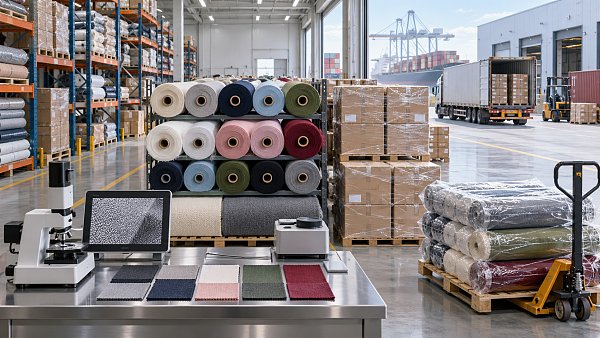
 Fabrics & YarnsWhat drives textile procurement cost beyond the quoted fabric price?Textile procurement cost goes far beyond the quoted fabric price. Discover how freight, quality, MOQ, compliance, payment terms, and supplier reliability shape total sourcing cost.Textile Industry AnalystOct 07, 2026
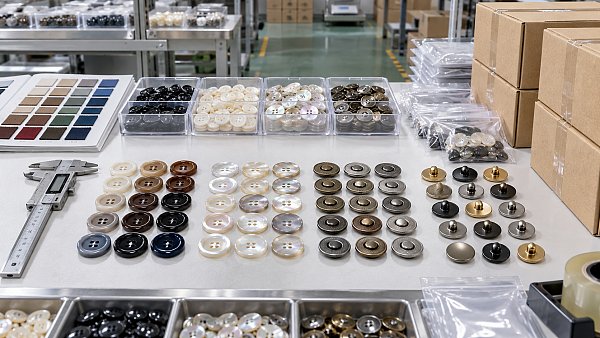
 Garment MfgWhat drives unit costs when buying garment buttons wholesale?Garment buttons wholesale costs depend on material, tooling, finish, MOQ, quality, packing, and freight. Learn how to compare true landed costs and source reliably.Textile Industry AnalystOct 06, 2026
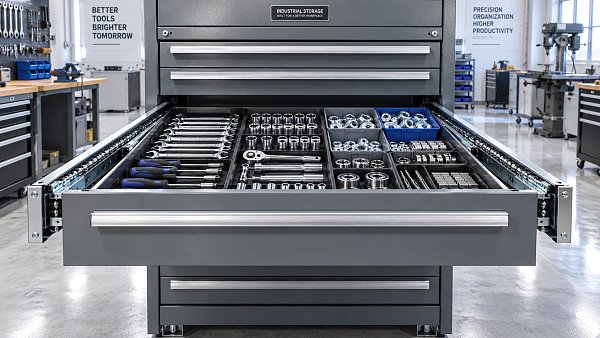
 Building HardwareWhat load rating should you specify for wholesale ball bearing slides?Wholesale ball bearing slides: learn how to specify the right load rating for drawer weight, extension, mounting, and durability. Source smarter and reduce failures.Tooling & Hardware LeadOct 05, 2026