Q1 2024 Indonesia Import Data: Chinese Wedding Dress Shipments Surge 37% Year-on-Year
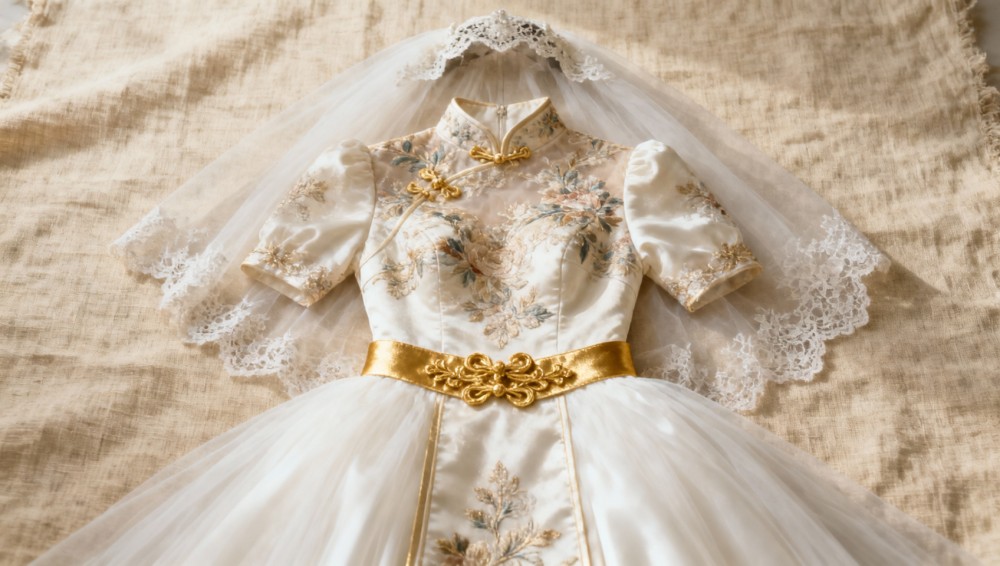
New cross-border trade data for Q1 2024 reveals a remarkable growth boom in Indonesia import of Chinese wedding dress products, with overall import volume jumping by 37% compared to the same period last year. The substantial growth fully demonstrates the dominant position of Chinese wedding dress supplies in the Indonesian bridal market, and also reflects the strong market demand of local bridal studios for cost-effective, stylish and diverse wedding dress products. As the core source of imported wedding garments in Indonesia, Chinese wedding dress manufacturers rely on mature supply chains, rich design resources and flexible customization capabilities to continuously occupy the mainstream share of Indonesia’s mid-to-high-end bridal apparel import market. Driven by the recovery of the local wedding economy and the expansion of wedding photography business scale, Indonesian bridal studios have significantly increased their cross-border procurement volume of Chinese wedding dresses in the first quarter of 2024, setting a new growth peak for recent years’ Q1 import performance.
Core Drivers Behind the Rapid Growth of Chinese Wedding Dress Imports in Indonesia
The explosive 37% growth of Chinese wedding dress imports to Indonesia in Q1 2024 stems from multiple market and industry factors, which jointly promote the vigorous development of cross-border bridal apparel trade. First, Indonesia’s wedding industry has fully rebounded after seasonal and market adjustments. Q1 every year is the peak reservation period for wedding ceremonies and wedding photography services in Indonesia, and local bridal studios need to update inventory on a large scale to meet the centralized wedding demand in spring and early summer. Second, Chinese wedding dresses have outstanding comprehensive advantages in the Indonesian market. Compared with European and American high-end wedding dresses with high prices and long delivery cycles, Chinese products feature diverse styles, fast iteration speed and ultra-high cost performance, perfectly matching the consumption positioning of most Indonesian wedding service institutions and newlyweds.
In addition, the continuous optimization of China-Indonesia cross-border trade policies and logistics channels has further reduced the import threshold for Indonesian merchants. Stable sea and air freight routes, simplified customs clearance procedures and mature cross-border settlement systems enable local bridal studios to complete procurement, transportation and stocking in a shorter cycle. Meanwhile, Chinese wedding dress suppliers continuously optimize product designs according to Indonesian local wedding customs, aesthetic preferences and body characteristics, launching a large number of customized styles suitable for Southeast Asian wedding scenes, which further stimulates market demand and drives the sustained growth of import volume.

Potential Industry Risks: 18.6% Product Return Rate Alerts Local Bridal Studios
While welcoming rapid import growth, the Indonesian bridal industry also faces prominent hidden risks, with the overall return rate of imported Chinese wedding dresses reaching 18.6% in Q1 2024, a year-on-year increase compared with previous years. This high return rate has become a key pain point restricting the long-term cooperative development between local bridal studios and Chinese suppliers, and also brings economic losses and operational troubles to the wedding service industry. Statistical analysis shows that the return reasons are highly concentrated, mainly focusing on size fitting deviation, inconsistent product quality, fabric mismatch with publicity, and flawed manual details such as embroidery and beadwork. Different from standardized ready-made clothes, wedding dresses belong to high-customization apparel products, and small errors in size, craft and style will directly affect the shooting effect and wedding use experience, leading to a large number of return and replacement demands.
For small and medium-sized local bridal studios, the 18.6% return rate brings dual pressure of cost and time. A large number of returned orders will increase additional logistics costs, customs clearance fees and inventory backlog risks. More importantly, repeated returns and replacements will delay the studio’s inventory update progress, affect the reservation experience of newlyweds, and even damage the brand reputation of local wedding photography institutions. Many bridal studios blindly expand the procurement volume of Chinese wedding dresses in pursuit of rich styles and low procurement costs, ignoring the pre-inspection of product quality and size adaptation, which ultimately leads to a continuous rise in the return rate and offsets the profit advantages brought by imported products.
Key Pain Points of Chinese Wedding Dress Import for Indonesian Bridal Studios
In-depth industry research shows that the high return rate of Chinese wedding dress imports in Indonesia is closely related to the mismatch between supply standards and local market demand. First of all, there are obvious differences in body size between Chinese and Indonesian consumers. Most ready-made Chinese wedding dresses are designed according to Asian standard body data dominated by Chinese groups, which is prone to fitting problems such as too narrow bust, inappropriate waistline and mismatched skirt length for Indonesian users, becoming the primary cause of product returns. Secondly, there are inconsistent quality control standards among Chinese suppliers. Some small and medium-sized factories reduce production costs by cutting corners on fabrics, lining materials and manual craftsmanship, resulting in problems such as thin and transparent fabrics, loose stitching and easy falling of decorative accessories, which fail to meet the quality requirements of local high-standard wedding shooting and wedding scenarios.
In addition, the information asymmetry in cross-border procurement also exacerbates operational risks for bridal studios. Most local purchasers mainly understand products through online pictures, videos and parameter descriptions, unable to conduct on-site inspection of fabric texture, three-dimensional cutting and overall workmanship. The actual delivered products often have color difference, style difference and detail defects compared with the publicity materials. Meanwhile, the cross-border after-sales cycle is long, and the communication cost of return and replacement is high. Once quality problems occur, bridal studios often need to spend a lot of time communicating with overseas suppliers, which seriously affects the normal operation of daily wedding photography and wedding service businesses.
Optimization Strategies for Indonesian Bridal Studios to Avoid Import Risks
Facing the booming import volume and prominent quality and fitting risks of Chinese wedding dresses, local Indonesian bridal studios need to optimize cross-border procurement strategies to balance cost advantages and operational risks. First, studios should prioritize selecting formal and qualified Chinese wedding dress suppliers with complete qualification certificates and stable quality control systems, and establish long-term cooperative relationships to avoid cooperating with small factories with irregular production standards. Second, it is necessary to build a strict pre-purchase inspection mechanism. For bulk purchased wedding dresses, purchasers can require suppliers to provide real product shooting videos, size measurement data and fabric detection reports, and sample check batch products in advance to screen out unqualified goods.
Moreover, bridal studios can propose targeted customized requirements according to local user characteristics. Appropriately adjusting the size standard of wedding dresses for Indonesian body characteristics, optimizing fabric thickness and decoration firmness, and matching local wedding scene aesthetics can effectively reduce fitting discomfort and quality complaints. In addition, enterprises can reserve a certain risk budget in the procurement process, reasonably control the single procurement volume, and avoid large-scale blind stocking. By optimizing the procurement process and risk control system, local bridal studios can give full play to the cost-effective advantages of Chinese wedding dress imports while reducing the return rate and improving operational profits.
Industry Outlook: Sustainable Development of China-Indonesia Bridal Apparel Cross-border Trade
The 37% import growth and 18.6% return rate data in Q1 2024 precisely reflect the dual development characteristics of Indonesia’s Chinese wedding dress import market: huge market potential and urgent need for standardized upgrading. With the continuous recovery of Indonesia’s wedding economy and the continuous expansion of the wedding photography industry scale, the market demand for high-quality, personalized and suitable Chinese wedding dresses will continue to rise. In the future, the cross-border trade of Chinese wedding dresses in Indonesia will gradually shift from extensive quantity growth to standardized quality growth. More Chinese suppliers will optimize product design, size standards and quality control systems for the Indonesian market, and local bridal studios will also form more mature cross-border procurement and risk control systems.
In general, Chinese wedding dress has become an indispensable core supply for Indonesia’s bridal studio industry. The rapid import growth proves the strong competitiveness of Chinese products in the Southeast Asian market, while the high return rate reminds the industry to attach importance to quality and fitting risks. Through joint optimization by Chinese suppliers and Indonesian purchasers, the China-Indonesia bridal apparel cross-border trade will achieve more stable, standardized and high-quality development, and continue to empower the upgrading of Indonesia’s local wedding photography and wedding service industry.