Industry News
Curation by industry experts
Hot Articles
Popular Tags
Corrosion Resistance Stainless Steel: How to Compare Grades for Harsh Environments
Selecting corrosion resistance stainless steel for harsh environments is rarely a simple grade comparison. The choice influences service life, shutdown frequency, inspection cost, and even warranty exposure. In sectors tied to hardware, fasteners, lighting systems, furniture components, and industrial packaging lines, the wrong material can turn a stable asset into a recurring maintenance issue. A more disciplined comparison starts with environment, not brochure claims, and then moves through metallurgy, fabrication, lifecycle cost, and supply reliability.
Why the topic matters more now
Corrosion risks are becoming harder to treat as a secondary design issue. Coastal construction, chemical cleaning cycles, humidity-controlled processing areas, and mixed-metal assemblies all create more aggressive conditions than standard indoor exposure.
At the same time, procurement decisions are under tighter scrutiny. Material substitutions, long lead times, and regional sourcing shifts can change actual performance on site. That is one reason corrosion resistance stainless steel has become a recurring focus in global supply reviews and technical sourcing discussions.
For organizations working across international supply chains, the issue is not only technical. It also affects vendor qualification, traceability, compliance records, and total installed cost.
What corrosion resistance stainless steel really means
Stainless steel resists corrosion because chromium forms a passive oxide film on the surface. That film can self-repair in oxygen-rich conditions, but it is not invincible.
Chlorides, stagnant moisture, poor weld finishing, acidic cleaning agents, and trapped deposits can all break down that protection. Once that happens, corrosion may appear as pitting, crevice attack, staining, or stress corrosion cracking.
So corrosion resistance stainless steel is not a single product category. It is a performance outcome shaped by grade chemistry, product form, surface finish, fabrication quality, and the actual service environment.
Why grade numbers alone are not enough
A familiar grade can still fail if the exposure is misread. Type 304 performs well in many dry indoor settings, yet it can pit quickly in chloride-rich splash zones.
Conversely, moving immediately to a premium alloy may raise cost without meaningful benefit if the environment is controlled and cleaning chemistry is mild. The objective is fit, not maximum alloy content.
The grades most often compared in harsh environments
In practical sourcing, the comparison usually starts with a few widely available stainless families. Each occupies a different point on the performance and cost curve.
For many projects, the real decision is between 304, 316, and a duplex grade. That is where corrosion resistance stainless steel evaluation becomes commercially important.
How to compare grades in a way that matches field conditions
A useful comparison begins with five questions. They sound basic, but they eliminate many poor material choices early.
- How much chloride exposure is expected, and is it constant, intermittent, or trapped?
- What is the operating temperature, including cleaning or sterilization cycles?
- Will the design create crevices, gasketed joints, or areas that stay wet?
- How critical is weld integrity, and what post-weld finishing is planned?
- What is the replacement consequence if corrosion appears earlier than expected?
Exposure often matters more than nominal environment
“Outdoor” is too broad to be useful. A shaded inland frame, a coastal canopy bracket, and a washdown enclosure may all be outdoors, yet they demand different alloys.
The same applies indoors. Packaging machinery near cleaning chemicals can be tougher on stainless steel than a dry exterior application. That is why corrosion resistance stainless steel assessment should follow actual contact conditions.
Temperature changes the risk profile
Warm chloride solutions accelerate pitting and crevice corrosion. Elevated temperatures may also narrow the safety margin of grades that look acceptable on paper.
Where heat, humidity, and cleaning chemicals combine, 316 may be the minimum rather than the upgraded option. In more severe systems, duplex or higher-alloy stainless becomes easier to justify.
Fabrication details can improve or ruin performance
Material selection is only one part of corrosion control. Poor processing can undermine even a high-grade alloy.
Heat tint near welds, iron contamination from tooling, rough surface finishes, and unsealed crevices frequently become corrosion initiation points. In hardware and fastener assemblies, galvanic interaction with other metals adds another layer of risk.
For fabricated parts, low-carbon variants such as 304L or 316L are often preferred because they reduce sensitization risk after welding. Surface finishing and passivation should be specified, not assumed.
Fasteners deserve separate attention
A common failure pattern appears when the main structure uses one stainless grade but the fastener uses a cheaper substitute. The assembly then performs to the weaker point.
For exterior fixtures, lighting housings, façade hardware, and furniture exposed to humidity, fastener grade, thread finish, and isolation from carbon steel should be checked early.
Where these decisions show up across light manufacturing
The need for corrosion resistance stainless steel extends beyond heavy industry. It appears in many components that support consumer and industrial value chains.
This cross-sector view matters because sourcing teams often buy similar stainless components for very different service conditions. Standardizing the wrong grade across categories can create hidden liabilities.
Cost should be measured over service life
Initial price still matters, but it should not dominate the decision. Corrosion damage is expensive in uneven ways.
A lower-cost grade may appear attractive until rework, shutdown, coating touch-ups, or component replacement are counted. In visible applications, staining also affects product perception and brand quality.
That is why corrosion resistance stainless steel should be compared on lifecycle cost, not metal price alone. Even a modest grade upgrade can reduce total cost when access is difficult or downtime is disruptive.
What to verify before locking a specification
Reliable selection depends on technical and commercial checks happening together. A sound specification should cover more than the alloy name.
- Confirm the exact grade, standard, and product form.
- Review chloride level, temperature range, and cleaning chemicals.
- Define surface finish, weld treatment, and passivation requirements.
- Check whether fasteners, brackets, and adjacent metals match the corrosion strategy.
- Assess supplier traceability, mill documentation, and consistency across batches.
- Ask whether the design allows drainage, cleaning access, and inspection.
In a sourcing environment shaped by tighter compliance and more fragmented global supply networks, those checks are not procedural overhead. They are part of risk control.
A practical way forward
A useful next step is to sort applications by exposure severity rather than by legacy grade. Group components into mild, moderate, and severe service conditions, then test whether the current specification still fits.
From there, compare corrosion resistance stainless steel options with fabrication requirements and supplier capability in the same review. That usually reveals whether 304 is sufficient, 316 is necessary, or a duplex grade offers a better long-term answer.
The strongest decisions come from aligning environment data, design detail, and sourcing evidence. When those three pieces are clear, grade selection becomes less reactive and far more dependable.
Recommended News
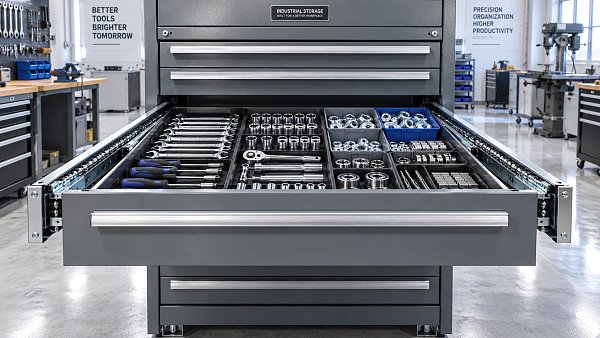
 Building HardwareWhat load rating should you specify for wholesale ball bearing slides?Wholesale ball bearing slides: learn how to specify the right load rating for drawer weight, extension, mounting, and durability. Source smarter and reduce failures.Tooling & Hardware LeadOct 05, 2026
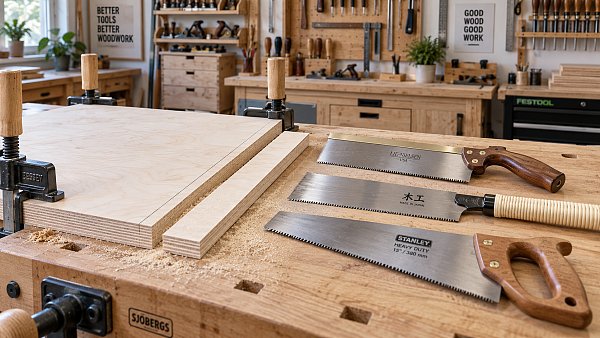
 Hand & Power ToolsHow to choose a hand saw for woodworking without tear-outHand saw for woodworking guide: choose the right tooth pattern, blade, and technique to achieve clean, precise cuts with less tear-out. Explore practical buying tips.Tooling & Hardware LeadOct 04, 2026
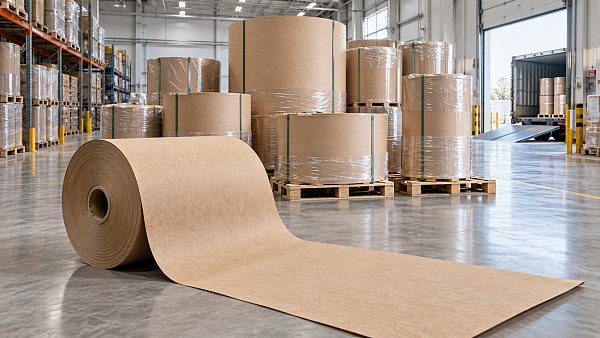
 Eco PackagingWhat affects the price of kraft paper rolls bought wholesale?Kraft paper rolls wholesale pricing depends on grade, basis weight, roll size, order volume, freight, and certifications. Learn how to compare landed costs and choose reliable value.Packaging Supply ExpertOct 03, 2026
 Commercial LEDHow to evaluate a canopy lights factory before placing a bulk orderCanopy lights factory evaluation guide: verify specifications, compliance, quality control, capacity, and after-sales support before placing a bulk order.Commercial Tech EditorOct 02, 2026