Industry News
Curation by industry experts
Hot Articles
Popular Tags
China's Textile & Apparel Exports Surge 73.4% YoY in Jan-Feb 2026, But Q2 Risks Loom Over Raw Material Price Spikes
Lead
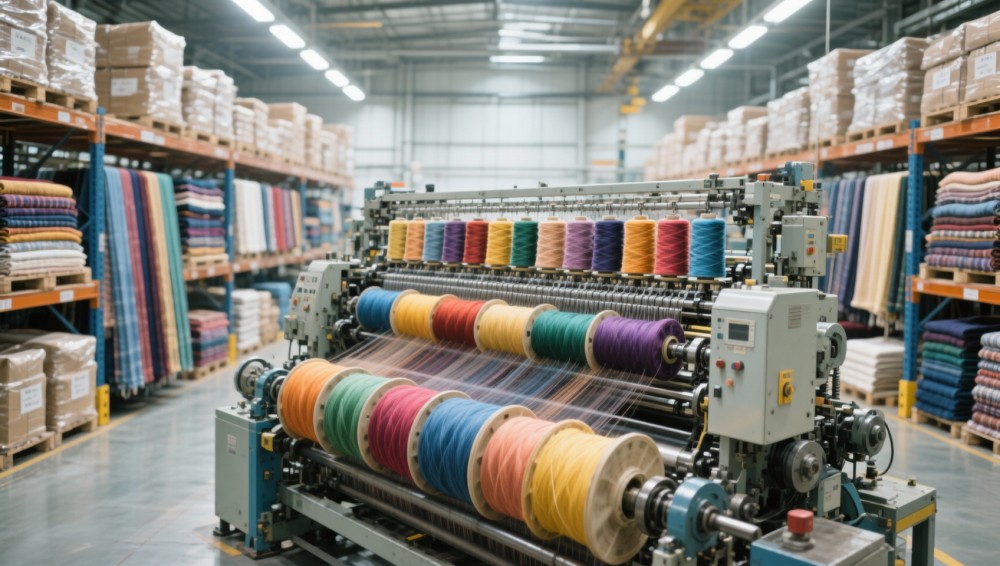
China's textile and apparel exports soared to $22.44 billion in January-February 2026, marking a 73.4% year-on-year surge (yarn +83%, garments +64.5%), as per customs data released on March 27, 2026. While the growth reflects low base effects and Lunar New Year timing shifts, industries across the supply chain—from raw material suppliers to overseas importers—must now brace for Q2 turbulence due to unprecedented March raw material cost inflation.
Event Overview
Official statistics confirm the record export growth was driven by:
- Low 2025 base: Pandemic-era disruptions depressed year-ago comparisons
- Calendar distortion: Earlier 2026 Lunar New Year shifted export activity to January
- Epic raw material spikes: Cotton, polyester, and other inputs surged 20-35% in March 2026 alone, threatening Q2 margins and delivery timelines.
Impact on Sub-Sectors
1. Direct Exporters
Front-loaded Q1 orders may mask Q2 profitability erosion. Contracts signed before March face renegotiation risks as material costs outpace pre-agreed pricing.
2. Raw Material Buyers
Spinning mills and fabric producers must reassess inventory strategies. Analysis suggests current spot prices could elevate MOQs by 15-20% to offset working capital pressures.
3. OEM Manufacturers
Smaller workshops without price escalation clauses face existential risks. Industry observation shows lead times extending 10-15 days as factories prioritize high-margin orders.
4. Importers & Retailers
Western brands relying on Chinese suppliers should:
- Audit contract flexibility clauses
- Diversify sourcing where possible
- Budget for 5-8% mid-season price adjustments
Actionable Insights
Monitor Policy Signals
Track potential Chinese export rebate adjustments—any reduction would compound pricing pressures.
Prioritize Supplier Communication
Proactive dialogue about revised delivery schedules now may prevent Q3 stock shortages.
Stress-Test Cost Structures
From industry perspective, brands should model scenarios where Chinese FOB prices rise 12-18% by Q3.
Editor's Observation
This data represents a transitional phase rather than sustainable growth. The real test comes in April-June when:
- Low base effects fade
- Material costs fully transmit to export prices
- Global demand responsiveness becomes clear
Conclusion
While the headline growth appears robust, the textile ecosystem should interpret this as a volatility warning. Strategic inventory planning and supplier collaboration will differentiate resilient players through 2026's turbulence.
Sources
- China Customs (March 27, 2026 official release)
- Pending verification: March raw material price indices (expected April 5)
Recommended News
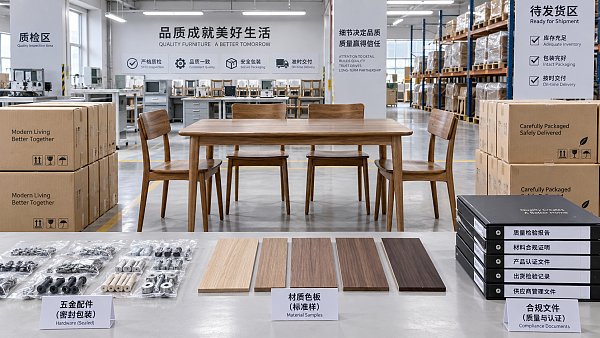
 Office FurnitureHow supplier scorecards reduce risk in furniture procurementFurniture procurement supplier management becomes more resilient with supplier scorecards that track quality, delivery, compliance, and corrective actions. Learn how to reduce sourcing risk.Interior Sourcing LeadSep 26, 2026
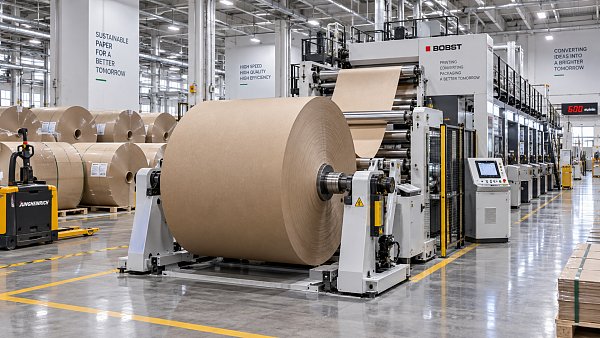
 Office Paper & Printing PaperHow roll diameter affects downtime when using jumbo paper rollsJumbo paper rolls can cut changeovers and downtime—if your unwinder, handling, and tension control can support them. Find the optimal roll diameter for smoother output.Packaging Supply ExpertSep 25, 2026
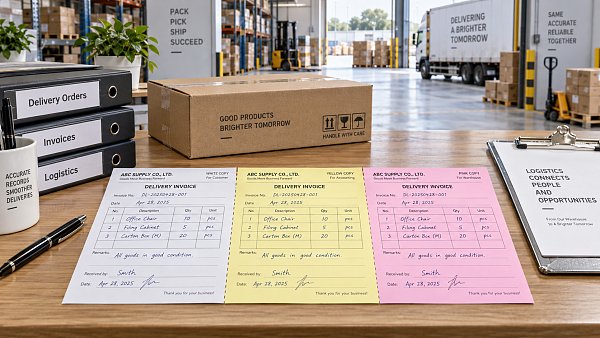
 Office Paper & Printing PaperWhen does carbonless paper for invoices reduce billing errors?Carbonless paper for invoices reduces billing errors by creating clear, consistent copies for deliveries, service calls, and approvals. Learn when it strengthens billing control.Packaging Supply ExpertSep 24, 2026
 Home DecorHow to compare floating wall shelves suppliers for consistent load capacityFloating wall shelves supplier comparison guide: evaluate load capacity, brackets, wall fixings, testing, and production consistency before you buy.Interior Sourcing LeadSep 23, 2026