Industry News
Curation by industry experts
Hot Articles
Popular Tags
China's Polyester POY and Staple Fiber Prices Surge Nearly 2,000 Yuan/ton in a Single Day, Hitting Three-Year High: Urgent Re-Negotiation Window Opens for Sportswear and Outdoor Apparel Export Pricing
China's Polyester POY and Staple Fiber Prices Surge Nearly 2,000 Yuan/ton in a Single Day, Hitting Three-Year High: Urgent Re-Negotiation Window Opens for Sportswear and Outdoor Apparel Export Pricing

Introduction
On March 21, 2026, China's polyester POY (pre-oriented yarn) and staple fiber prices experienced an unprecedented single-day surge of nearly 2,000 yuan per ton, marking the largest daily increase in three years. This sudden price spike, driven by escalating oil prices due to Middle East conflicts, has sent shockwaves through the textile supply chain. The sportswear, outdoor apparel, and fabric manufacturing sectors are particularly affected, with export pricing negotiations entering an emergency adjustment phase. This development demands immediate attention from industry players as it directly impacts production costs, supply chain stability, and international trade contracts.
Event Overview
Confirmed facts as of March 21, 2026:
- Polyester POY and staple fiber prices in China rose by approximately 21% in a single day
- The surge represents the largest daily price increase since 2023
- Price hikes extend across the entire chemical fiber, dye, and logistics sectors
- Major fabric production hubs like Shaoxing and Shengze have reported widespread order suspensions
- The price volatility stems from oil market turbulence caused by Middle East geopolitical tensions
Impact on Specific Industry Segments
1. Textile Export Enterprises
Analysis shows export-oriented textile manufacturers face immediate pressure to renegotiate existing contracts. The sudden raw material cost increase makes previously agreed FOB prices unsustainable for many suppliers. Current Q2 orders may require urgent price adjustment clauses or risk becoming loss-making operations.
2. Sportswear and Outdoor Apparel Brands
From an industry perspective, brands specializing in performance wear are particularly vulnerable due to their heavy reliance on polyester-based technical fabrics. The price surge could force either retail price increases or margin compression, with fast-fashion segments likely feeling the impact within 4-6 weeks.
3. Fabric Processing Mills
Observations indicate many mid-sized mills are temporarily suspending new orders to assess cost structures. This creates bottlenecks for downstream apparel manufacturers, especially those with just-in-time production models. The current situation may accelerate consolidation among smaller processors lacking price hedging mechanisms.
4. International Procurement Teams
Overseas buyers face three critical challenges: potential delivery delays from Chinese partners, unanticipated cost overruns, and the need to evaluate alternative fiber options. The window for securing stable Q2 supply is narrowing rapidly.
Key Focus Areas and Recommended Actions
1. Immediate Price Lock-In Mechanisms
Current contracts should be reviewed for:
- Existing price adjustment clauses
- Raw material cost pass-through provisions
- Minimum order quantity flexibility
2. Alternative Fiber Sourcing Evaluation
Analysis suggests exploring:
- rPET (recycled polyester) availability and pricing
- Blended fiber options with lower polyester content
- Regional supplier diversification beyond China
3. Logistics and Incoterms Review
More suitable approaches may include:
- Revisiting FOB vs CIF terms to account for volatile freight costs
- Building buffer inventory for critical SKUs
- Securing early vessel bookings for confirmed orders
4. Supplier Communication Protocol
Establish clear channels for:
- Weekly raw material price updates
- Production capacity status reports
- Alternative sourcing recommendations
Editorial Perspective
From an industry observation standpoint, this event appears more than a temporary market fluctuation. Several factors suggest structural changes:
- The 21% single-day jump exceeds typical market correction ranges
- Simultaneous pressure across dyes, logistics indicates systemic impact
- Geopolitical oil market influences may persist medium-term
More importantly, the widespread order suspensions in key manufacturing hubs signal that traditional cost absorption models may be reaching their limits. The industry should view this as both an immediate pricing challenge and a longer-term signal to reevaluate supply chain resilience.
Conclusion
This price surge represents a critical inflection point for polyester-dependent industries. While short-term tactics like price renegotiations and alternative sourcing are necessary, the event underscores deeper vulnerabilities in globalized textile supply chains. A balanced understanding would recognize this as both an urgent operational challenge and a strategic opportunity to build more sustainable procurement frameworks. The coming weeks will be crucial for determining whether this develops into a prolonged market shift or a temporary disruption.
Source Information
Primary source: Industry price monitoring reports from China Chemical Fiber Association (CCFA) as of March 21, 2026. Additional field reports from Shaoxing and Shengze textile clusters. Ongoing monitoring required for:
- Polyester feedstock (PTA/MEG) price trends
- Downstream fabric mill capacity utilization rates
- Export order cancellation statistics
Recommended News
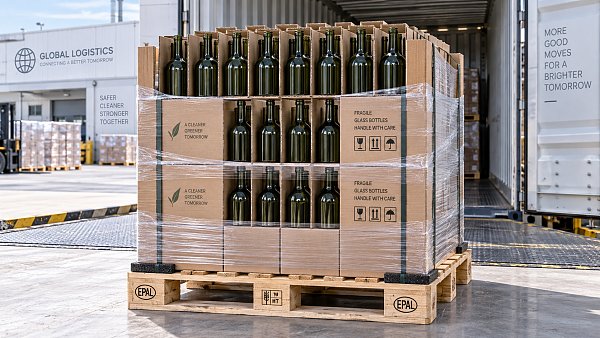
 Carton & PlasticsWhat drives breakage rates in bulk wine bottles wholesale orders?Bulk wine bottles wholesale buyers: discover what drives breakage rates, from glass quality and packaging to pallet loading, and reduce costly claims.Packaging Supply ExpertSep 27, 2026
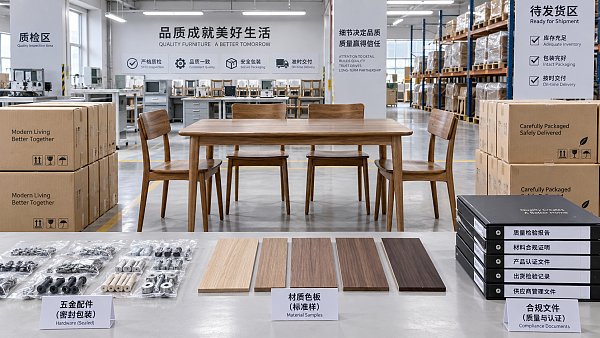
 Office FurnitureHow supplier scorecards reduce risk in furniture procurementFurniture procurement supplier management becomes more resilient with supplier scorecards that track quality, delivery, compliance, and corrective actions. Learn how to reduce sourcing risk.Interior Sourcing LeadSep 26, 2026
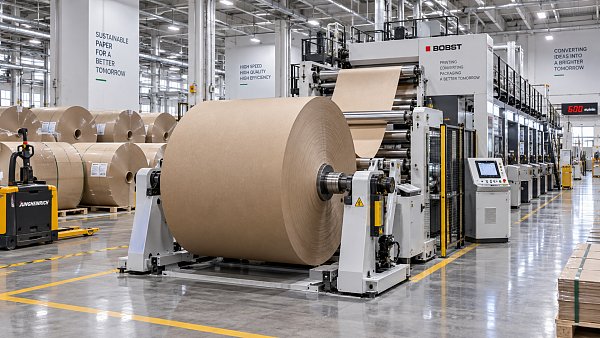
 Office Paper & Printing PaperHow roll diameter affects downtime when using jumbo paper rollsJumbo paper rolls can cut changeovers and downtime—if your unwinder, handling, and tension control can support them. Find the optimal roll diameter for smoother output.Packaging Supply ExpertSep 25, 2026
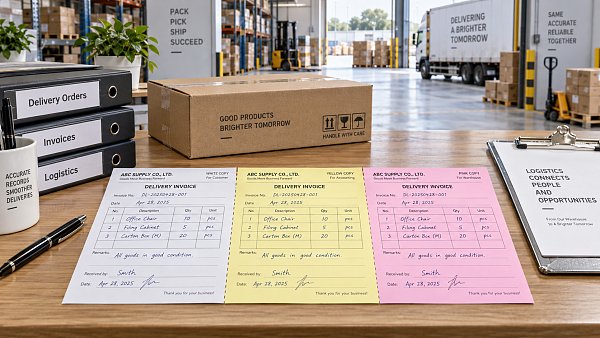
 Office Paper & Printing PaperWhen does carbonless paper for invoices reduce billing errors?Carbonless paper for invoices reduces billing errors by creating clear, consistent copies for deliveries, service calls, and approvals. Learn when it strengthens billing control.Packaging Supply ExpertSep 24, 2026