Industry News
Curation by industry experts
Hot Articles
Popular Tags
2026 Greater Bay Area Textile, Garment & Footwear Expo: Key Takeaways for Industry Players
Introduction
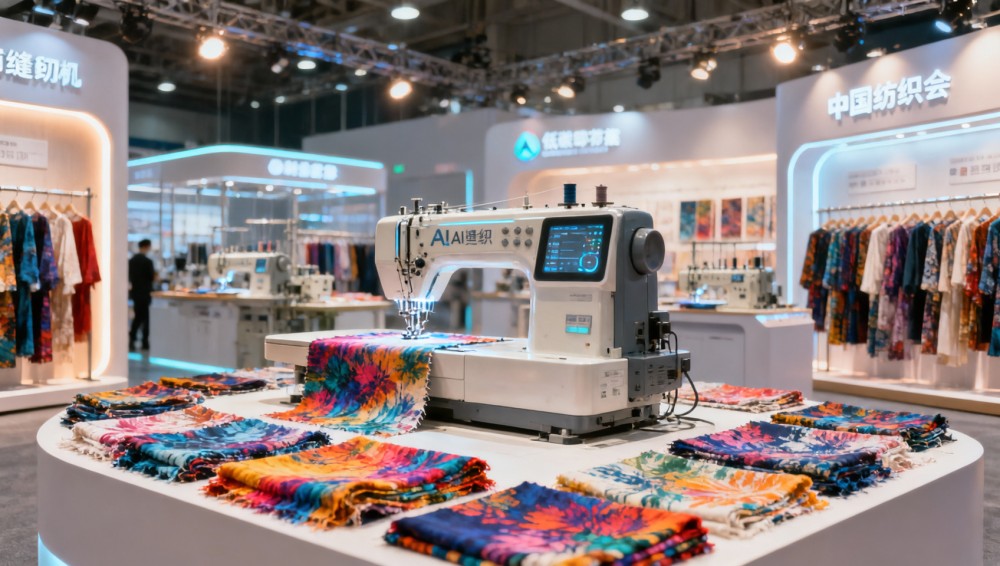
The 2026 Greater Bay Area Textile, Garment & Footwear Expo concluded on March 25-27 in Dongguan, showcasing China's latest advancements in AI sewing machines, low-carbon digital printing, and flexible dyeing systems. With over 50,000 professional attendees including international buyers, the event demonstrated the technical maturity of Chinese manufacturers in handling small-batch, fast-turnaround orders. This development warrants attention from apparel brands, OEM/ODM partners, and textile technology providers globally.
Event Overview
The four-in-one exhibition featured:
- Domestic AI sewing solutions (e.g., Jack's Ai 10)
- Carbon-reduced digital printing equipment
- End-to-end flexible dyeing systems
- Over 5,000 verified international buyers from multiple procurement delegations
Key demonstration: Chinese factories' capability to manage 100-piece MOQ orders with 7-day delivery and mixed fabric batches.
Impact on Sub-Sectors
1. Small-Batch Fashion Brands
The showcased production flexibility directly benefits indie brands and fast-fashion operators requiring rapid prototyping and micro-batch production. The 7-day turnaround capability may reshape seasonal planning strategies.
2. Sustainable Apparel Manufacturers
Low-carbon digital printing systems exhibited could help compliance-focused manufacturers meet tightening EU/NA sustainability regulations while maintaining cost efficiency.
3. Textile Technology Providers
The AI sewing machine demonstrations (particularly Jack's Ai 10) indicate accelerated automation adoption, potentially disrupting traditional equipment markets.
Actionable Insights for Industry Players
1. Reassess Sourcing Strategies
Brands relying on Southeast Asian suppliers should conduct comparative audits on China's improved small-batch capabilities versus regional labor-cost advantages.
2. Technology Adoption Roadmap
Manufacturers should evaluate:
- AI sewing systems for 15-30% efficiency gains in pattern-making
- Digital printing for 40-60% water reduction in sampling
3. Supply Chain Restructuring
Consider hybrid models combining China's tech-driven small-batch capacity with high-volume regional production hubs.
Industry Perspective
From an industry standpoint, this event signals three key shifts:
- China's repositioning from mass production to tech-enabled flexible manufacturing
- Short-run economics becoming commercially viable at 100+ units
- Sustainability tech moving from pilot stages to production-ready solutions
However, actual implementation across factories remains uneven - buyers should verify capabilities through on-site audits rather than exhibition claims alone.
Conclusion
The 2026 expo demonstrates China's strategic pivot toward agile, sustainable apparel production. While not yet an industry-wide transformation, the showcased technologies present concrete options for brands balancing speed, sustainability and flexibility. The most immediate opportunity lies in prototyping and small-batch production segments where China's tech integration provides measurable advantages.
Source
• Official event materials from 2026 Greater Bay Area Textile, Garment & Footwear Expo
• Verified attendance data from Dongguan Convention Bureau
• Technology specifications from exhibiting manufacturers (Jack Sewing, AiTU Digital)
Recommended News
 Office FurnitureHow supplier scorecards reduce risk in furniture procurementFurniture procurement supplier management becomes more resilient with supplier scorecards that track quality, delivery, compliance, and corrective actions. Learn how to reduce sourcing risk.Interior Sourcing LeadSep 26, 2026
 Office Paper & Printing PaperHow roll diameter affects downtime when using jumbo paper rollsJumbo paper rolls can cut changeovers and downtime—if your unwinder, handling, and tension control can support them. Find the optimal roll diameter for smoother output.Packaging Supply ExpertSep 25, 2026
 Office Paper & Printing PaperWhen does carbonless paper for invoices reduce billing errors?Carbonless paper for invoices reduces billing errors by creating clear, consistent copies for deliveries, service calls, and approvals. Learn when it strengthens billing control.Packaging Supply ExpertSep 24, 2026
 Home DecorHow to compare floating wall shelves suppliers for consistent load capacityFloating wall shelves supplier comparison guide: evaluate load capacity, brackets, wall fixings, testing, and production consistency before you buy.Interior Sourcing LeadSep 23, 2026