Industry News
Curation by industry experts
Hot Articles
Popular Tags
Packaging Sector Drops 3% Amid Export Delays & Port Cost Surge
Introduction
On April 3, 2026, China's A-share packaging and printing sector fell by 3%, led by export-dependent firms like Quzhou Dongfeng and Tianyuan Co. This decline reflects mounting pressures from rising container storage fees at key eastern ports (up 22% since March) and declining schedule reliability (68% on US routes). With欧美 clients postponing Q2彩盒 orders,中小包装厂 face cash flow strains and tighter报价 flexibility. Exporters should monitor交期弹性收缩 and potential premiums for urgent small-batch orders through June.

Event Overview
Confirmed developments as of April 3, 2026:
- Packaging & printing index dropped 3% in single-day trading
- Export-oriented manufacturers showed strongest declines
- Ningbo/Shanghai port storage fees increased 22% month-over-month
- US route vessel schedule reliability fell to 68%
- Multiple欧美 buyers delayed confirmation of Q2彩盒采购 orders
Impact by Sub-Sector
1. Export-Focused Packaging Manufacturers
Directly affected by订单延迟 and port cost pass-through requirements. Analysis shows:
- Margins压缩 for contracts signed before port fee hikes
- Increased working capital pressure due to extended order confirmation cycles
2. Secondary Material Suppliers
Upstream paper/ink providers may see:
- Demand volatility as printers adjust production schedules
- Potential requests for extended payment terms from中小客户
3. Logistics Service Providers
Port congestion creates both challenges and opportunities:
- Higher storage revenue but potential penalty risks
- Increased demand for alternative transport solutions (e.g., rail-air combos)
Actionable Recommendations
1. Reassess Pricing Strategies
Exporters should:
- Build port cost escalation clauses into new quotes
- Consider tiered pricing for small-batch urgent orders
2. Strengthen Client Communication
Proactively address:
- Realistic lead time expectations for Q2 deliveries
- Potential surcharges for storage/expedited shipping
3. Diversify Port Utilization
Explore alternatives to congested hubs:
- Evaluate Guangzhou/Nansha for South China shipments
- Test rail connections for Central/West China exports
Industry Perspective
This event signals deeper supply chain recalibration:
- Not isolated: Part of broader logistics cost restructuring
- Watch for potential container repositioning imbalances post-Q2
- 中小厂 may accelerate automation to offset margin pressure
Conclusion
The April 3 adjustment reflects operational rather than structural challenges. Exporters should view this as a prompt to:
- Optimize contract terms for cost volatility
- Enhance supply chain visibility with key partners
- Monitor port policy updates through Q2 peak season
Sources
- Shanghai Shipping Exchange data (port fees)
- Sea-Intelligence report (schedule reliability)
- Company disclosures (Quzhou Dongfeng/Tianyuan)
- Ongoing: China Ports Association congestion updates
Recommended News
 Eco PackagingWhat affects the price of kraft paper rolls bought wholesale?Kraft paper rolls wholesale pricing depends on grade, basis weight, roll size, order volume, freight, and certifications. Learn how to compare landed costs and choose reliable value.Packaging Supply ExpertOct 03, 2026
 Commercial LEDHow to evaluate a canopy lights factory before placing a bulk orderCanopy lights factory evaluation guide: verify specifications, compliance, quality control, capacity, and after-sales support before placing a bulk order.Commercial Tech EditorOct 02, 2026
 Commercial LEDHow to choose lighting systems that meet workplace safety needsLighting systems for workplace safety: learn how to control glare, improve visibility, meet environmental demands, and protect workers with reliable, compliant lighting choices.Commercial Tech EditorOct 01, 2026
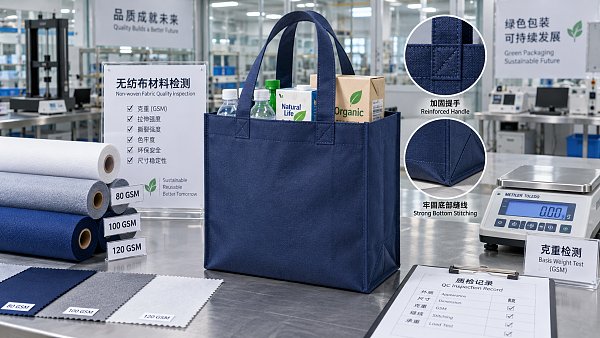
 Fabrics & YarnsWhat fabric weight works best for reusable non woven fabric bags?Non woven fabric for bags: discover the best GSM range for durability, load capacity, print quality, and cost-effective reusable bag sourcing.Textile Industry AnalystSep 30, 2026