Industry News
Curation by industry experts
Hot Articles
Popular Tags
China Printing Technology Association Releases New 'Green Printing and Packaging Enterprise Evaluation Guidelines'
Introduction
On March 24, 2026, the China Printing Technology Association (CPTA) officially released the updated Green Printing and Packaging Enterprise Evaluation Guidelines. The new version introduces stricter environmental standards, including requirements for bio-based material usage, VOCs online monitoring, and carbon footprint accounting. It also incorporates the Extended Producer Responsibility (EPR) system into the evaluation criteria. This development is particularly relevant for paper, plastic composite, and flexible packaging printing enterprises, signaling a shift toward more sustainable practices in the industry.
Event Overview
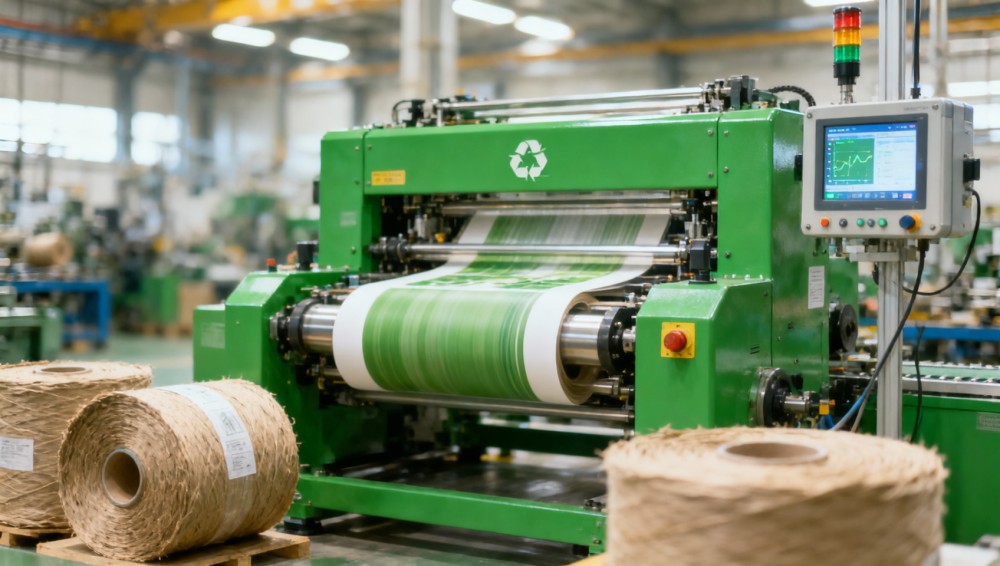
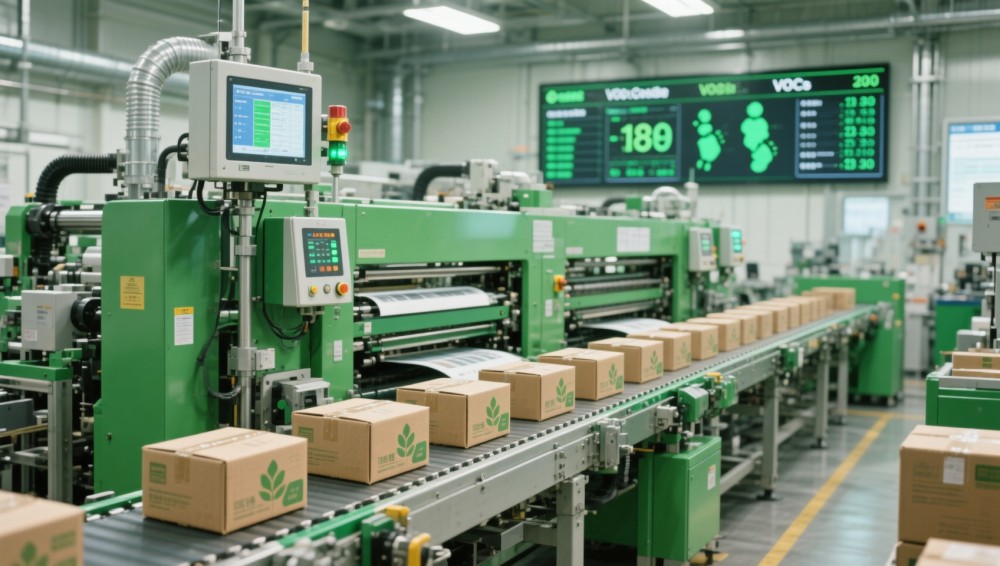
The Green Printing and Packaging Enterprise Evaluation Guidelines were updated to include three major additions: (1) bio-based material utilization rates, (2) mandatory VOCs online monitoring integration, and (3) carbon footprint calculation modules. The guidelines also explicitly integrate the EPR system as a key rating metric. These changes apply primarily to paper-based, plastic composite, and flexible packaging printing businesses.
Impact on Sub-Sectors
1. Printing and Packaging Manufacturers
Manufacturers will need to adapt to stricter environmental compliance requirements, particularly in material sourcing and emissions monitoring. The inclusion of EPR means they must also plan for end-of-life product management.
2. Raw Material Suppliers
Suppliers of bio-based materials may see increased demand, while traditional material providers could face pressure to reformulate products to meet new sustainability benchmarks.
3. Environmental Technology Providers
Companies offering VOCs monitoring systems or carbon accounting tools stand to benefit as enterprises seek compliance solutions.
Key Focus Areas and Recommended Actions
1. Compliance Timeline Assessment
Enterprises should immediately review the phased implementation requirements for VOCs monitoring and EPR integration to avoid operational disruptions.
2. Supply Chain Audits
Conduct thorough evaluations of existing material sources to identify gaps in bio-based content requirements and potential alternative suppliers.
3. Carbon Accounting Preparation
Begin collecting baseline operational data to streamline future carbon footprint reporting, prioritizing energy-intensive processes.
4. EPR Strategy Development
Establish cross-departmental teams to design product take-back systems or partner with specialized recycling operators.
Editorial Perspective
From an industry standpoint, these guidelines represent more than incremental updates—they signal China's accelerated transition toward circular economy models in printing and packaging. While the immediate focus is on compliance, the long-term implications suggest fundamental changes in how manufacturers approach material selection, production processes, and product lifecycle management. The explicit linkage between environmental performance and enterprise ratings may create competitive differentiation in tender processes and export markets.
Conclusion
The updated guidelines establish a clearer roadmap for sustainable transformation in China's printing and packaging sector. Rather than viewing these changes as mere regulatory hurdles, industry players would benefit from treating them as strategic opportunities to future-proof their operations and align with global sustainability trends. The coming 12-18 months will be critical for enterprises to implement systematic adjustments while monitoring potential expansions of the evaluation framework.
Information Sources
Primary source: Official release by China Printing Technology Association (March 24, 2026). Note: Specific implementation timelines for provincial-level adaptations remain pending clarification.
Recommended News
 Carton & PlasticsHow to assess seam quality in 250ml aluminum beverage cansLearn how to assess seam quality in 250ml aluminum beverage cans with practical visual checks, precise measurements, teardown methods, and defect-control guidance.Packaging Supply ExpertSep 28, 2026
 Carton & PlasticsWhat drives breakage rates in bulk wine bottles wholesale orders?Bulk wine bottles wholesale buyers: discover what drives breakage rates, from glass quality and packaging to pallet loading, and reduce costly claims.Packaging Supply ExpertSep 27, 2026
 Office FurnitureHow supplier scorecards reduce risk in furniture procurementFurniture procurement supplier management becomes more resilient with supplier scorecards that track quality, delivery, compliance, and corrective actions. Learn how to reduce sourcing risk.Interior Sourcing LeadSep 26, 2026
 Office Paper & Printing PaperHow roll diameter affects downtime when using jumbo paper rollsJumbo paper rolls can cut changeovers and downtime—if your unwinder, handling, and tension control can support them. Find the optimal roll diameter for smoother output.Packaging Supply ExpertSep 25, 2026