Industry News
Curation by industry experts
Hot Articles
Popular Tags
India Imposes Anti-Dumping Duties on Elastomeric and Nylon Filament Yarns from China and Vietnam
India Imposes Anti-Dumping Duties on Elastomeric and Nylon Filament Yarns from China and Vietnam

Introduction: On March 18, 2026, India's Ministry of Commerce and Industry finalized anti-dumping duties ranging from $880 to XXX per ton on elastomeric filament yarns imported from China and Vietnam. This decision, valid for five years, directly impacts high-value textile segments like sportswear, swimwear, lingerie, and medical bandages. Industry stakeholders must urgently assess supply chain alternatives, compliance costs, and delivery risks.
Event Overview
The Indian government concluded that dumped imports from China and Vietnam harmed domestic producers. The duties apply specifically to elastomeric filament yarns—a critical material for stretchable textiles. No further extensions or product categories were mentioned in the published ruling.
Impact on Key Industries
1. Textile Manufacturers
Brands relying on Chinese/Vietnamese yarns for performance fabrics face immediate cost increases. Analysis suggests smaller manufacturers may struggle to absorb the duties without price adjustments.
2. Apparel Exporters
Indian exporters using these yarns in finished goods could lose competitiveness in global markets. From an industry perspective, buyers may shift orders to Bangladesh or Turkey to avoid duty-linked price hikes.
3. Medical Supplies Sector
Compression garments and elastic bandage producers require consistent yarn quality. Observers note that qualifying alternative suppliers could take 6–12 months, risking production delays.
Actionable Recommendations
1. Verify Origin Documentation
Importers should audit Chinese suppliers’ certificates of origin. Current reports indicate some exporters may lack compliant paperwork, increasing seizure risks.
2. Explore ASEAN Sourcing
Cambodia and Indonesia offer duty-free yarn alternatives under India’s FTA network. However, capacity constraints mean lead times may extend by 20–30%.
3. Monitor Customs Enforcement
Early signals suggest Indian ports are strictly enforcing the ruling. Shipping via third countries without proper processing could trigger penalties.
Industry Perspective
This ruling reflects India’s broader push for textile self-sufficiency. While immediate disruptions are likely, the 5-year timeline allows for supply chain restructuring. More significant than the duties themselves is the precedent—similar measures may follow for synthetic fibers and woven fabrics.
Conclusion
The anti-dumping duties necessitate strategic pivots rather than panic reactions. Brands should treat this as a catalyst for diversifying sourcing while monitoring potential retaliatory trade measures from affected countries.
Sources
- India Ministry of Commerce and Industry – Final Anti-Dumping Duty Notification (March 18, 2026)
- Ongoing: Customs implementation details pending clarification
Recommended News
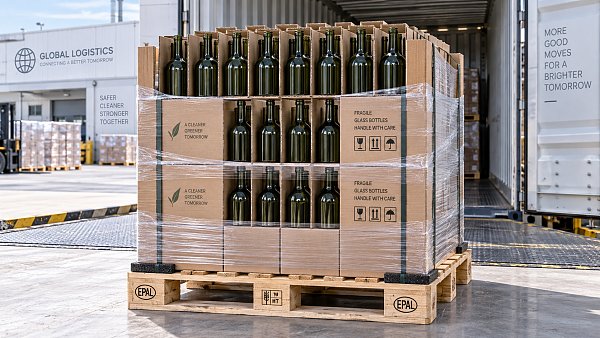
 Carton & PlasticsWhat drives breakage rates in bulk wine bottles wholesale orders?Bulk wine bottles wholesale buyers: discover what drives breakage rates, from glass quality and packaging to pallet loading, and reduce costly claims.Packaging Supply ExpertSep 27, 2026
 Office FurnitureHow supplier scorecards reduce risk in furniture procurementFurniture procurement supplier management becomes more resilient with supplier scorecards that track quality, delivery, compliance, and corrective actions. Learn how to reduce sourcing risk.Interior Sourcing LeadSep 26, 2026
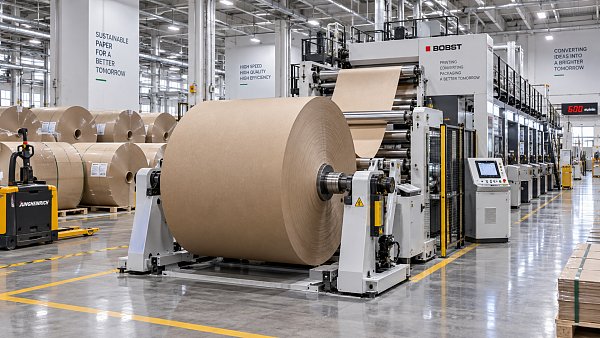
 Office Paper & Printing PaperHow roll diameter affects downtime when using jumbo paper rollsJumbo paper rolls can cut changeovers and downtime—if your unwinder, handling, and tension control can support them. Find the optimal roll diameter for smoother output.Packaging Supply ExpertSep 25, 2026
 Office Paper & Printing PaperWhen does carbonless paper for invoices reduce billing errors?Carbonless paper for invoices reduces billing errors by creating clear, consistent copies for deliveries, service calls, and approvals. Learn when it strengthens billing control.Packaging Supply ExpertSep 24, 2026