Industry News
Curation by industry experts
Hot Articles
Popular Tags
EU EPR Rules for Furniture & Home Decor: Compliance Deadline April 2026
导语
Starting April 1, 2026, the EU's Extended Producer Responsibility (EPR) regulations will become mandatory for furniture and home decor exports to 12 member states including France, Germany, and Italy. Manufacturers and importers must complete national EPR registrations and pay annual eco-fees. Non-compliant products face customs rejection, platform removals, and penalties. This development particularly impacts furniture makers, soft furnishings suppliers, and custom cabinet exporters, requiring immediate attention to maintain EU market access.

Event Overview
The EU's Packaging and Furniture EPR Directive enters full enforcement on April 1, 2026, covering:
- Mandatory EPR registration for producers/importers of furniture, upholstery, and built-in cabinets
- Annual eco-contribution fees based on product categories
- Required submission of EPR numbers and compliance declarations by Chinese exporters
- 12 initial implementing countries: France, Germany, Italy, Spain, Netherlands, Belgium, Sweden, Austria, Portugal, Denmark, Finland, Ireland
Impact on Key Sub-Sectors
1. OEM Furniture Exporters
Contract manufacturers supplying EU retailers must now factor in EPR costs (estimated 0.5-3% of product value) and registration timelines (typically 8-12 weeks). Failure to provide valid EPR numbers may trigger order cancellations.
2. Custom Furniture Workshops
Bespoke cabinet makers and interior decor item producers face dual challenges: registering as micro-enterprises (where applicable) and documenting material compositions for eco-fee calculations.
3. E-Commerce Sellers
Marketplace listings will require EPR proof. Analysis shows platforms like Amazon EU may delist non-compliant home decor items starting Q1 2026.
Critical Action Items
1. Registration Prioritization
Current industry practice suggests registering first in Germany and France (covering ~60% of EU furniture imports), then expanding to other markets.
2. Supply Chain Documentation
Prepare material breakdowns (wood types, metal/glass components, fabric compositions) for accurate eco-fee assessments.
3. Cost Structure Review
Re-evaluate pricing with EPR fees (projected €50-300/ton for furniture), considering potential pass-through clauses with EU buyers.
Industry Perspective
From an operational standpoint, this regulation:
- Accelerates sustainability requirements beyond current packaging EPR rules
- Creates administrative hurdles for SMEs without EU-based representatives
- May spur consolidation among smaller exporters due to compliance costs
Market observers note this could reshape competitive dynamics, favoring suppliers with established EU compliance frameworks.
Conclusion
While the 2026 deadline allows preparation time, furniture exporters should initiate EPR planning in 2024 given registration lead times. The policy signals the EU's tightening environmental standards for durable goods, requiring exporters to institutionalize compliance processes rather than treating it as a one-time requirement.
Sources:
- EU Official Journal (Directive 2023/XXXX)
- French REP Database Guidelines
- German EAR Foundation Circular
Recommended News
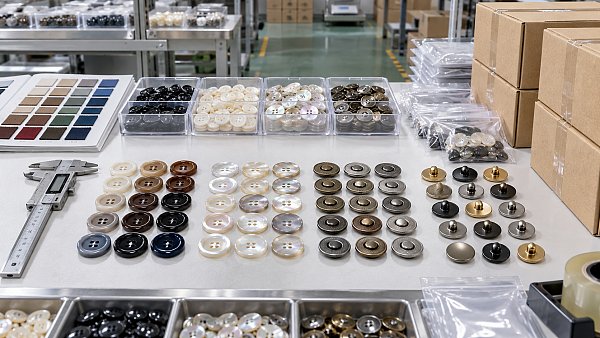
 Garment MfgWhat drives unit costs when buying garment buttons wholesale?Garment buttons wholesale costs depend on material, tooling, finish, MOQ, quality, packing, and freight. Learn how to compare true landed costs and source reliably.Textile Industry AnalystOct 06, 2026
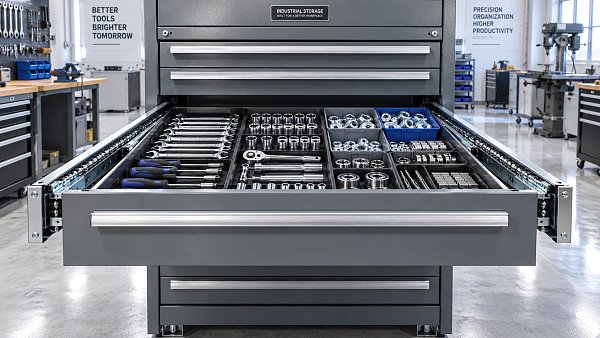
 Building HardwareWhat load rating should you specify for wholesale ball bearing slides?Wholesale ball bearing slides: learn how to specify the right load rating for drawer weight, extension, mounting, and durability. Source smarter and reduce failures.Tooling & Hardware LeadOct 05, 2026
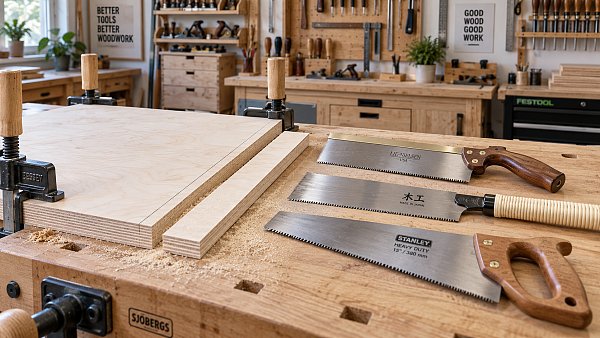
 Hand & Power ToolsHow to choose a hand saw for woodworking without tear-outHand saw for woodworking guide: choose the right tooth pattern, blade, and technique to achieve clean, precise cuts with less tear-out. Explore practical buying tips.Tooling & Hardware LeadOct 04, 2026
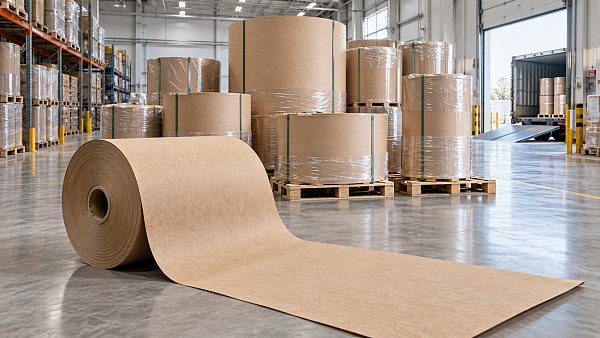
 Eco PackagingWhat affects the price of kraft paper rolls bought wholesale?Kraft paper rolls wholesale pricing depends on grade, basis weight, roll size, order volume, freight, and certifications. Learn how to compare landed costs and choose reliable value.Packaging Supply ExpertOct 03, 2026