Industry News
Curation by industry experts
Hot Articles
Popular Tags
Metal Wall Decor Wholesale: Geometric Styles That Sell
For distributors, agents, and import-focused buyers, metal wall decor wholesale geometric collections offer a strong mix of trend appeal, flexible pricing, and broad market demand. From minimalist lines to bold abstract patterns, these designs help wholesalers target modern retail channels while improving product differentiation, margin potential, and fast-moving inventory opportunities across home decor markets.
In practical sourcing terms, geometric metal wall decor sits at the intersection of furniture and decor, light manufacturing, and retail merchandising. It is visually current, relatively efficient to ship compared with fragile wall art, and adaptable across 3 price bands: mass-market, mid-range, and premium design-led collections.
For B2B buyers, the key challenge is not simply finding attractive designs. The real decision points include finish consistency, welding quality, MOQ flexibility, packaging protection, lead time reliability, and whether a supplier can support mixed-SKU programs for distributors serving multiple channels at once.
Why Geometric Metal Wall Decor Performs Well in Wholesale Channels
Geometric wall art has become a dependable category because it works across modern, industrial, Scandinavian, and transitional interiors. That broad compatibility reduces style risk for importers. A distributor can place 12 to 30 SKUs into different accounts without needing a completely different aesthetic story for each market segment.
Unlike trend categories that peak quickly, geometric forms tend to remain commercially viable for 2 to 4 seasonal cycles. Clean lines, circular symmetry, layered frames, and openwork abstract shapes are easier to refresh through finish changes such as matte black, brushed gold, antique bronze, or two-tone combinations.
Core commercial advantages for distributors
- Lower breakage risk than glass-framed wall art during container shipping and local last-mile delivery.
- Flexible retail positioning, with typical sizes ranging from 30cm to 120cm for single panels and larger sets.
- Better assortment building through coordinated collections in 3-piece, 4-piece, or oversized statement formats.
- Strong visual impact in showrooms, e-commerce galleries, and catalog pages with relatively low display complexity.
Where the category sells fastest
The fastest-moving channels are usually home decor retailers, furniture stores, marketplace sellers, hotel supply distributors, and project-based apartment furnishing programs. In many of these channels, products priced for retail at 1.8x to 3.2x landed cost can support healthy reseller margins when packaging and freight are managed correctly.
The table below highlights how different geometric styles align with channel demand, buyer profile, and merchandising strategy in metal wall decor wholesale geometric programs.
For most importers, minimal and layered forms are the safest starting point. Abstract welded pieces can raise margin potential, but they also require closer control of craftsmanship, finish variation, and packaging because premium buyers are less tolerant of inconsistencies.
How to Evaluate Suppliers for Metal Wall Decor Wholesale Geometric Collections
A reliable source is defined by repeatability, not by a single attractive catalog. In wholesale wall decor, buyers should evaluate 5 core areas: material thickness, joinery and weld finishing, surface treatment, carton engineering, and lead time discipline. These factors directly affect returns, customer satisfaction, and reorder confidence.
Common materials include iron, steel wire, sheet metal, and mixed metal assemblies. For many decorative pieces, thickness ranges from 0.8mm to 2.5mm depending on structure. Thin material may cut cost, but oversized designs with weak gauge can bend during handling or lose shape in humid storage conditions.
Supplier screening checklist
- Confirm available finishes and ask whether powder coating, plating, hand painting, or mixed finishing is used.
- Request weld close-up photos, back-side views, and hanging hardware details for at least 6 representative SKUs.
- Verify MOQ by design, by finish, and by mixed-container order rather than asking only for a general MOQ.
- Review export packaging structure, including inner protection, corner guards, drop resistance, and carton labeling.
- Ask for standard sample lead time and bulk lead time, which often range from 7 to 15 days for samples and 30 to 60 days for production.
Quality points that affect claims most often
The most frequent quality issues are coating scratches, visible weld marks, asymmetrical alignment, unstable hooks, and transit deformation. In geometric styles, symmetry matters. Even a 3mm to 5mm visual deviation can be obvious on linear or circular designs, especially under showroom lighting or in online product photography.
The table below can be used as a practical sourcing framework when comparing factories, trading partners, or mixed sourcing options for metal wall decor wholesale geometric lines.
This comparison shows that price alone is not the most useful screening tool. A slightly higher ex-factory cost can still improve landed margin if defect rates, repack labor, and delayed shipments are reduced across a full buying cycle.
Assortment Planning, Pricing Strategy, and Margin Control
Many distributors underperform in wall decor because they buy isolated designs instead of building a layered assortment. A stronger program typically includes 3 tiers: entry pieces for volume, mid-range pieces for consistent markup, and premium statement pieces for visual leadership and upsell opportunity.
A practical assortment may include 40% small and medium SKUs, 40% mid-size focal products, and 20% oversized or premium styles. This structure helps balance freight efficiency, price accessibility, and higher-ticket presentation. It also supports more flexible allocation across e-commerce, physical retail, and project orders.
Pricing levers importers should monitor
- Material weight and metal type, which affect both product cost and freight density.
- Finish complexity, especially when combining hand-applied detailing with powder coating or plating.
- Packaging dimensions, since oversized cartons can raise per-unit shipping cost faster than production cost.
- Set configuration, where 3-piece grouped designs may improve perceived value without tripling packaging labor.
Why mixed-SKU capability matters
For agents and regional distributors, mixed-SKU ordering is often more valuable than the lowest unit cost on a single design. A supplier that supports 10 to 20 SKUs within one shipment can help buyers test multiple market responses, reduce inventory concentration, and improve account coverage across different customer profiles.
In many cases, the best-selling geometric pieces are not the largest or most complex. They are the SKUs with stable packaging, easy wall mounting, and a retail-friendly price point. Products that install in less than 10 minutes and fit standard apartment walls often outperform visually ambitious but logistically difficult items.
Operational Risks, Packaging Standards, and Delivery Planning
Because metal decor appears durable, some buyers underestimate packaging engineering. Yet scratch damage, frame distortion, and hardware abrasion are among the top causes of claims. For larger geometric styles, protective separation between metal contact points is essential, especially for layered or welded structures.
Distributors should review at least 4 packaging details before confirming bulk production: inner wrap material, fixation method, corner protection, and master carton compression strength. For export orders with long transit windows of 25 to 45 days, even minor packaging shortcuts can lead to significant landed damage rates.
Recommended delivery workflow
- Approve production sample with finish, dimensions, and hanging method confirmed.
- Lock packaging method before mass production, not after the first carton issue appears.
- Conduct in-process checks on weld quality, finish uniformity, and dimensional consistency.
- Review packing photos and carton marks before container loading.
- Align arrival timing with retail launch windows, promotion cycles, or project installation schedules.
Typical mistakes in wholesale buying
One common mistake is choosing highly intricate designs without testing defect sensitivity. Another is ordering only oversized wall decor because showroom samples look impressive. In reality, mid-size geometric metal wall decor often moves faster, fits more households, and generates steadier reorder demand over 6 to 12 months.
It is also risky to ignore finish-market fit. Matte black and muted gold generally offer broader channel compatibility, while distressed or highly reflective finishes may sell well in selective markets only. This is where channel data, buyer feedback, and regional merchandising insight become more valuable than trend imitation.
How Distributors Can Use Market Intelligence to Build Better Programs
Wholesale success in furniture and decor increasingly depends on actionable sourcing intelligence. Buyers need more than factory lists. They need to understand which designs are scalable, which finishes are stable, which packaging systems reduce claims, and which supply partners can support continuity across seasons and regions.
This is where a strategic sourcing platform adds value. By connecting market analysis, supplier evaluation criteria, product trend interpretation, and procurement discipline, distributors can shorten decision cycles and improve buy accuracy. In categories like metal wall decor wholesale geometric collections, that clarity supports both margin protection and faster market response.
What informed buyers should look for
- Editorially grounded trend analysis tied to actual sourcing feasibility.
- Cross-sector visibility covering decor, packaging, hardware, and display-related production realities.
- Procurement insight that helps compare design appeal with operational reliability.
- Supplier-facing opportunities that strengthen trust signals and international buyer visibility.
For distributors, agents, and import-focused procurement teams, geometric metal wall decor remains a commercially relevant category because it combines trend longevity, manageable production methods, and broad channel adaptability. The strongest results come from disciplined supplier screening, balanced assortment building, and packaging-led risk control rather than style selection alone.
Global Supply Review supports this process by helping buyers and sourcing decision-makers navigate product categories with sharper market context and practical procurement guidance. If you are evaluating new metal wall decor wholesale geometric programs, looking to refine your sourcing strategy, or seeking better supplier visibility across furniture and decor markets, contact us to get tailored insights, discuss product details, and explore more sourcing solutions.
Recommended News
 Eco PackagingWhat affects the price of kraft paper rolls bought wholesale?Kraft paper rolls wholesale pricing depends on grade, basis weight, roll size, order volume, freight, and certifications. Learn how to compare landed costs and choose reliable value.Packaging Supply ExpertOct 03, 2026
 Commercial LEDHow to evaluate a canopy lights factory before placing a bulk orderCanopy lights factory evaluation guide: verify specifications, compliance, quality control, capacity, and after-sales support before placing a bulk order.Commercial Tech EditorOct 02, 2026
 Commercial LEDHow to choose lighting systems that meet workplace safety needsLighting systems for workplace safety: learn how to control glare, improve visibility, meet environmental demands, and protect workers with reliable, compliant lighting choices.Commercial Tech EditorOct 01, 2026
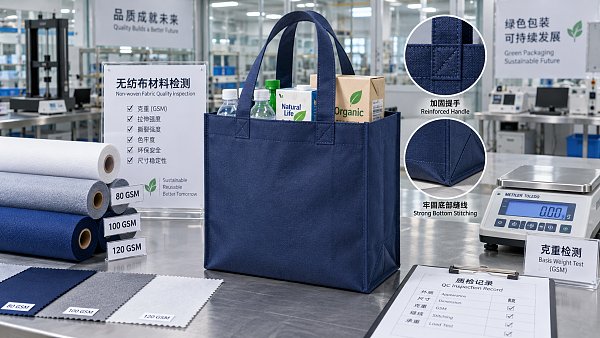
 Fabrics & YarnsWhat fabric weight works best for reusable non woven fabric bags?Non woven fabric for bags: discover the best GSM range for durability, load capacity, print quality, and cost-effective reusable bag sourcing.Textile Industry AnalystSep 30, 2026