Industry News
Curation by industry experts
Hot Articles
Popular Tags
Pocket Spring Mattress Wholesale: Quality Checklist
Pocket Spring Mattress Wholesale: Quality Checklist for Safer Bulk Sourcing
For quality control and safety teams, evaluating pocket spring mattress wholesale options requires more than comparing prices and lead times.
Each batch must meet expectations for spring durability, fabric performance, chemical safety, dimensional accuracy, and packaging integrity before global distribution.
This checklist-focused guide explains key indicators, testing points, and supplier documents needed to reduce claims and support consistent sourcing decisions.
What Defines a Reliable Pocket Spring Mattress Wholesale Batch?
A reliable pocket spring mattress wholesale batch starts with controlled structure, stable materials, and traceable production records.
The mattress should maintain comfort, height, support, and appearance after compression, storage, shipment, and repeated daily use.
The core difference lies in the independent spring system.
Each coil is wrapped in a fabric pocket, reducing motion transfer and improving localized body support.
In pocket spring mattress wholesale inspection, the spring unit must show uniform distribution and secure bonding across the full sleeping surface.
Common quality concerns include tilted coils, broken pockets, uneven firmness, poor edge support, and noisy movement under load.
These defects often appear only after compression recovery or rolling tests.
A practical quality checklist should cover five layers:
- Spring unit strength and pocket fabric condition.
- Foam, felt, fiber, and comfort layer performance.
- Cover fabric appearance, stitching, and flame requirements.
- Finished size, weight, firmness, and recovery rate.
- Packaging strength, labeling, and documentation traceability.
For pocket spring mattress wholesale orders, batch consistency is often more important than one perfect sample.
A showroom sample may perform well, while mass production may vary because of substituted foam, lower spring count, or rushed curing.
Which Material Checks Matter Before Confirming Pocket Spring Mattress Wholesale?
Material inspection should begin before production approval, not after finished goods are packed.
For pocket spring mattress wholesale, the bill of materials should identify coil gauge, spring count, foam density, fabric weight, and adhesive type.
Spring steel quality affects long-term support and compression resistance.
High-carbon steel, stable heat treatment, and correct coil geometry help reduce sagging and deformation.
The pocket fabric should resist tearing when springs compress repeatedly.
Weak nonwoven fabric may split during vacuum packing or after months of use.
Foam density and indentation performance are critical in pocket spring mattress wholesale evaluation.
Low-density foam can improve initial pricing but may increase body impressions, customer returns, and warranty pressure.
Cover fabric should be checked for color consistency, pilling resistance, seam strength, and shrinkage behavior.
If the mattress uses knitted fabric, confirm GSM, yarn composition, and finishing treatment.
Key Material Verification Points
During pocket spring mattress wholesale sampling, request material swatches from the same planned production sources.
If any component changes, the approved sample should be updated and signed again.
How Should Durability and Performance Be Tested?
Durability testing confirms whether the mattress can withstand repeated compression without losing comfort or structural integrity.
For pocket spring mattress wholesale, testing should cover both laboratory results and practical shipment simulation.
Rollator fatigue testing is commonly used to measure height loss, firmness change, and visible damage after repeated cycles.
Edge compression testing checks whether the mattress collapses near the border.
Poor edge stability can create complaints, especially in hotel, apartment, dormitory, and retail replacement programs.
Compression recovery is especially important for rolled or boxed pocket spring mattress wholesale shipments.
The product should recover its declared height within the agreed time after unpacking.
If recovery is slow or uneven, inspect spring alignment, foam resilience, and packing duration.
Recommended Performance Checklist
- Measure size, height, and weight before compression.
- Check firmness consistency across center, shoulder, and edge zones.
- Run compression recovery after simulated storage.
- Inspect spring noise after repeated loading.
- Check surface flatness after unpacking.
- Record visible defects with batch and carton numbers.
For pocket spring mattress wholesale programs, testing frequency should increase when styles change or new suppliers are introduced.
Repeated failures should trigger corrective action, not only a discount negotiation.
What Safety and Compliance Documents Should Be Requested?
Safety documentation reduces regulatory, reputational, and financial risk across international mattress trade.
Pocket spring mattress wholesale orders should be supported by current test reports from credible laboratories.
Chemical safety is a core concern because mattresses contain foam, textiles, adhesives, dyes, and packaging materials.
Documents may include formaldehyde, heavy metals, restricted substances, VOC, and odor test results.
Flammability requirements vary by market and product category.
Before confirming pocket spring mattress wholesale, match test standards with the destination market and sales channel.
Do not assume one certificate covers every region.
Traceability documents are also important.
Production date, batch number, material lot, inspection record, and packing list should connect clearly.
Compliance Document Checklist
- Material safety data for foam, adhesive, and textile components.
- Flammability reports applicable to the target market.
- Restricted substance reports for fabric and foam layers.
- Factory quality management records and calibration logs.
- Product labels, law tags, carton marks, and care instructions.
- Corrective action records for previous claims or failed inspections.
A strong pocket spring mattress wholesale supplier should explain document scope, validity dates, and tested product references.
Reports with mismatched model numbers or expired dates require clarification before shipment approval.
How Can Packaging and Logistics Affect Final Quality?
Packaging is not only a shipping detail.
In pocket spring mattress wholesale, weak packaging can damage an otherwise acceptable product before it reaches storage or sale.
Vacuum compression and roll packing should be controlled by pressure, duration, film thickness, and carton strength.
Excessive compression may deform springs, crush foam, or create recovery failures.
Carton drop testing helps assess whether packed mattresses survive handling in warehouses and distribution networks.
Polybag sealing should prevent moisture, dust, and contamination during transit.
Humidity control matters for sea freight, especially when cartons sit in containers for extended periods.
Mold, odor, and carton collapse are common risks in poorly controlled pocket spring mattress wholesale shipping.
Packaging Acceptance Points
- Verify carton burst strength and edge crush resistance.
- Check printed marks, model numbers, barcodes, and destination labels.
- Confirm roll diameter and packed dimensions against shipment plans.
- Inspect seal integrity and moisture protection.
- Test unpacking safety and recovery instructions.
Packaging approval should be part of pocket spring mattress wholesale quality control, not a final visual check.
If the mattress is sold as bed-in-a-box, recovery claims must be proven through controlled unpacking trials.
Which Supplier Signals Help Reduce Wholesale Risk?
Supplier evaluation should combine factory capability, process transparency, and responsiveness to quality issues.
For pocket spring mattress wholesale, stable production systems often matter more than the lowest unit price.
A capable factory should maintain incoming material inspection, in-process checks, final inspection, and nonconforming product controls.
Ask how spring units are assembled, stored, and protected before quilting and closing.
Production capacity should match promised lead times.
If order volume exceeds realistic capacity, rushed sewing, poor packing, and skipped testing may follow.
For pocket spring mattress wholesale contracts, define acceptable quality limits, inspection timing, defect categories, and rework responsibility.
Clear agreement prevents disputes when defects are found before loading.
Risk Review Table
A strong pocket spring mattress wholesale relationship should support audits, sample retention, and transparent corrective action.
These controls protect long-term product reputation and reduce preventable claims.
Pocket Spring Mattress Wholesale FAQ and Action Checklist
The following FAQ summary supports faster decision-making before sampling, production, inspection, or shipment release.
Before confirming pocket spring mattress wholesale, create a signed specification file covering construction, tolerances, testing, packaging, and labeling.
Retain approved samples and compare them against production units during inspection.
For new styles, run pilot orders before scaling into container-level purchasing.
This reduces exposure while validating supplier consistency under real production conditions.
A disciplined pocket spring mattress wholesale checklist should connect product design, supplier capability, laboratory evidence, and shipment protection.
The best next step is to prepare a standardized inspection sheet and require supporting documents before production begins.
With clear specifications and evidence-based checks, pocket spring mattress wholesale sourcing becomes safer, more predictable, and easier to scale.
Recommended News
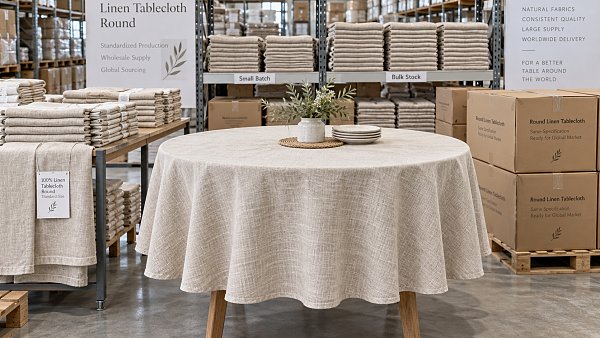
 Home DecorHow order size affects wholesale prices for round linen tableclothsBuying round linen tablecloths wholesale? Discover how order size, freight, and inventory costs affect pricing—and choose the right quantity to maximize real savings.Interior Sourcing LeadOct 14, 2026
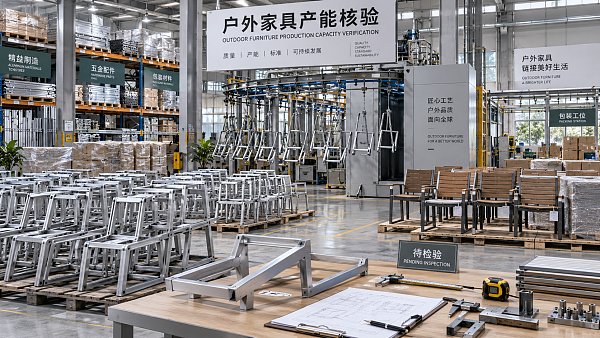
 Outdoor FurnitureHow to verify outdoor furniture manufacturers' production capacityCan outdoor furniture manufacturers deliver on time? Learn how to verify production capacity, uncover bottlenecks, and validate supplier commitments before placing your next order.Interior Sourcing LeadOct 13, 2026
 Commercial DisplaysWhat makes an outdoor digital signage display manufacturer reliable?Discover how to choose a reliable outdoor digital signage display manufacturer with proven weather protection, quality control, smart visibility, and responsive after-sales support.Commercial Tech EditorOct 12, 2026
 Garment MfgWhen do bulk embroidered hoodies offer better value than printed ones?Bulk embroidered hoodies deliver lasting value for uniforms and premium branding. Compare durability, design, comfort, and cost to choose the right decoration.Textile Industry AnalystOct 11, 2026