Industry News
Curation by industry experts
Hot Articles
Popular Tags
China Imposes Zero Tariffs on Bridal Fabrics for 20 African Diplomatic Partners from May 1, 2026
Effective May 1, 2026, China will apply zero tariffs to bridal and formal-wear textile fabrics, lace, and trimmings imported from 20 African countries with which it maintains diplomatic relations—excluding least-developed countries. This trade measure targets in-quota imports and is expected to reshape procurement dynamics, customs efficiency, and regional supply chain collaboration in the global bridal apparel sector.

Policy Implementation Details
Starting May 1, 2026, China will eliminate import duties on bridal and formal-wear textile fabrics, lace, and related accessories originating from 20 African countries with full diplomatic ties (excluding least-developed nations). The zero-tariff treatment applies exclusively to goods within the agreed annual quota. No additional conditions—such as origin certification beyond standard preferential trade documentation—are stipulated in the available summary.
Impact Across Supply Chain Roles
Export-oriented textile manufacturers
Chinese producers of bridal fabrics and lace face enhanced competitiveness in target African markets due to lower landed costs for importers. This may increase order volumes—but also raises expectations around consistent quality, timely delivery, and compliance with destination-country labeling or safety norms.
Importers and trading companies in Africa
African importers benefit directly from reduced procurement costs and simplified customs clearance for quota-eligible shipments. However, they must verify product eligibility against the official list of qualifying African countries and ensure accurate tariff classification to avoid delays or duty reassessments.
Local garment assemblers and OEMs
African-based bridalwear manufacturers gain access to more cost-stable, high-quality Chinese inputs—potentially supporting local value addition and brand development. Sustained participation requires alignment with evolving sourcing standards, including traceability and sustainability disclosures increasingly requested by international retailers.
Logistics and trade compliance service providers
Freight forwarders, customs brokers, and certification agencies will see heightened demand for quota management support, preferential origin documentation (e.g., Form A or equivalent), and pre-shipment verification services—especially where African national customs authorities roll out new digital verification systems.
Key Actions for Exporting Enterprises
Verify quota eligibility and country-specific coverage
Confirm whether each African trading partner is among the 20 designated diplomatic partners—and whether the specific fabric, lace, or trim falls under the covered HS codes. Quota allocation mechanisms and rollover rules have not been disclosed and warrant close monitoring.
Update origin documentation and customs declarations
Prepare for stricter scrutiny of Certificate of Origin and supporting evidence (e.g., mill certificates, production records) to substantiate preferential treatment. Misclassification risks triggering post-clearance audits or retroactive duty assessments.
Align product specifications with regional market expectations
While tariff barriers fall, non-tariff requirements—including flammability testing, fiber content labeling, and eco-certifications (e.g., OEKO-TEX Standard 100)—remain binding. Proactive alignment avoids shipment rejection or rework at destination ports.
Assess opportunities for localized assembly partnerships
The policy incentivizes deeper integration—not just exports, but co-production models where Chinese suppliers collaborate with African cut-and-sew units. Companies should evaluate feasibility of joint ventures, technology transfer agreements, or shared quality assurance frameworks.
Industry Perspective: Beyond Tariff Reduction
Analysis shows this initiative is less a standalone trade concession and more a strategic enabler of structural shifts in Africa’s apparel ecosystem. Observably, it lowers the economic threshold for African SMEs to enter mid-tier bridal manufacturing—yet does not automatically resolve constraints in infrastructure, skilled labor, or access to finance. What deserves closer attention is how quickly domestic African regulatory bodies adapt their conformity assessment systems to accommodate increased imports of technically complex textiles. It is more appropriate to understand this as an invitation to co-develop capacity—not merely a price advantage.
Strategic Significance for Global Bridal Trade
This measure marks a deliberate expansion of China’s preferential trade architecture into niche, high-value fashion segments—moving beyond bulk commodities or basic textiles. Its long-term relevance hinges not on tariff elimination alone, but on whether it catalyzes verifiable upgrades in African downstream capabilities: design input, technical training, and responsive quality control. For global buyers, it introduces a new sourcing corridor—one requiring nuanced due diligence, not just cost calculation.
Source Information and Verification Notes
This article is derived exclusively from the user-provided information: title, effective date (2026-05-01), and event summary. Specific official source links were not provided in the input and should be verified continuously. Stakeholders are advised to monitor updates from China’s Ministry of Commerce (MOFCOM), General Administration of Customs of China (GACC), and relevant African trade ministries—particularly regarding quota administration rules, eligible product lists, and documentary requirements. Further observation is needed on implementation timelines for national customs IT systems, industry feedback on administrative bottlenecks, and any subsequent bilateral protocols on standards recognition.
Recommended News
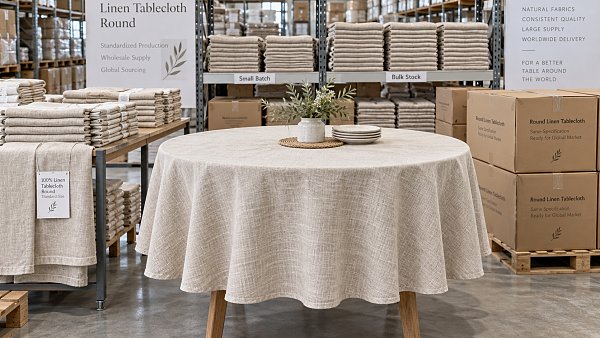
 Home DecorHow order size affects wholesale prices for round linen tableclothsBuying round linen tablecloths wholesale? Discover how order size, freight, and inventory costs affect pricing—and choose the right quantity to maximize real savings.Interior Sourcing LeadOct 14, 2026
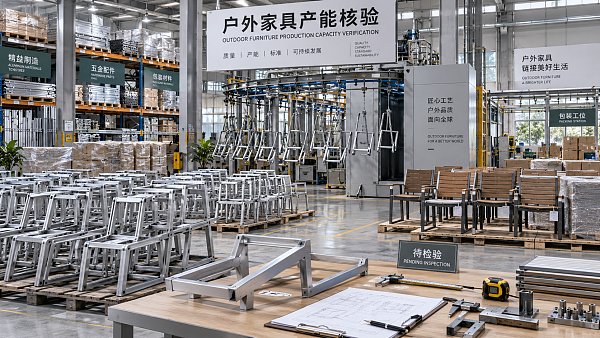
 Outdoor FurnitureHow to verify outdoor furniture manufacturers' production capacityCan outdoor furniture manufacturers deliver on time? Learn how to verify production capacity, uncover bottlenecks, and validate supplier commitments before placing your next order.Interior Sourcing LeadOct 13, 2026
 Commercial DisplaysWhat makes an outdoor digital signage display manufacturer reliable?Discover how to choose a reliable outdoor digital signage display manufacturer with proven weather protection, quality control, smart visibility, and responsive after-sales support.Commercial Tech EditorOct 12, 2026
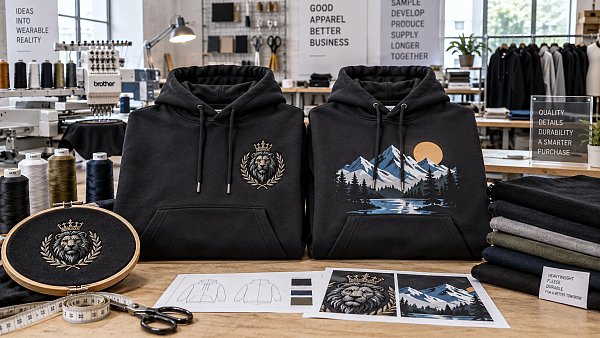
 Garment MfgWhen do bulk embroidered hoodies offer better value than printed ones?Bulk embroidered hoodies deliver lasting value for uniforms and premium branding. Compare durability, design, comfort, and cost to choose the right decoration.Textile Industry AnalystOct 11, 2026