Industry News
Curation by industry experts
Hot Articles
Popular Tags
Sekesai Ion Exchange Resin Achieves Catalyst Localization, Replacing US Amberlyst 15 to Help Building Material Exporters Bypass Controls

Lead
On March 31, 2026, Jiangsu Sekesai announced its Success SA15 resin has passed MTBE synthesis validation, matching the performance of imported Amberlyst 15, with batch adoption by three Chinese building material adhesive exporters. This development enables high-end chemical exports like MDI adhesives and formaldehyde-free hot melt adhesives to circumvent US export controls, securing stable supply to Europe, North America, and Southeast Asia. The breakthrough is particularly relevant for specialty chemical manufacturers, adhesive producers, and export-driven building material suppliers navigating geopolitical trade barriers.
Event Overview
The confirmed facts: On March 31, 2026, Sekesai’s Success SA15 resin completed technical validation for MTBE (methyl tert-butyl ether) synthesis, demonstrating parity with the benchmark US-made Amberlyst 15 catalyst. Three Chinese adhesive manufacturers serving international markets have begun bulk procurement for export-oriented production lines. No additional performance data or client names were disclosed in the announcement.
Impact on Sub-Sectors
1. Specialty Adhesive Exporters
Directly affected are manufacturers of MDI-based adhesives and formaldehyde-free thermal melts, previously reliant on Amberlyst 15 for etherification reactions. These products are critical for engineered wood and composite materials exported to regulated markets. Localization eliminates Section 301 tariff exposures (currently 25% for US-bound catalyst-dependent chemicals) and reduces lead times from 8-12 weeks to under 3 weeks for replacement parts.
2. Chemical Traders
Intermediate distributors handling catalyst procurement for SMEs must recalibrate supply chains. Amberlyst 15 historically comprised ~40% of China’s acidic resin catalyst imports for petrochemical applications. Traders should audit existing inventories and contractual obligations—some long-term import contracts may incur penalties for early termination.
3. Downstream Construction Material Producers
Fabricators of laminate flooring, particleboard, and other bonded建材 products gain supply chain resilience. During the 2025 Amberlyst shortage, some EU buyers imposed 12-18% price premiums on China-sourced “control-free” adhesives. Proactive formulation adjustments using SA15 could now unlock preferential procurement status with sustainability-focused OEMs.
Actionable Considerations
1. Validate Technical Equivalency
While Sekesai claims performance parity, manufacturers should conduct pilot runs for grade-specific applications. Key parameters like swelling rates (Amberlyst 15: 1.2-1.5mL/g) and thermal stability thresholds (max 120°C) require verification under actual production conditions.
2. Monitor Export Control List Updates
The US Commerce Department’s Entity List revisions (next expected October 2026) may expand catalyst restrictions. Companies should track Harmonized System code adjustments—currently, Amberlyst 15 falls under 3914.00.6000 for ion-exchange resins.
3. Reconfigure Supply Contracts
Export-oriented firms using Amberlyst 15 should review force majeure clauses. Many 2024-25 contracts included “US export control” as a triggering event, allowing unilateral termination. New agreements should specify SA15 as an approved alternative.
4. Leverage Green Certification Pathways
SA15’s non-regulated status enables “de-risked supply chain” marketing. EU’s CPCH (Construction Product Chemical Hazards) regulations prioritize non-listed catalysts—a potential compliance advantage for formaldehyde-free adhesives entering DACH markets.
Industry Perspective
Analysis suggests this represents both an immediate solution and a strategic inflection point. While the catalyst substitution addresses current trade bottlenecks, the broader implication is China’s accelerating pivot toward closed-loop specialty chemical ecosystems. However, observers note that full supply chain validation—from raw material sourcing to end-product performance—typically requires 18-24 months. The more pressing signal is the emergence of dual-supply options for geopolitically sensitive chemistries.
Conclusion
Sekesai’s breakthrough mitigates near-term operational risks for adhesive exporters but necessitates careful technical and commercial due diligence. Industry players should treat this as a transitional solution while monitoring three key vectors: 1) US countermeasures on alternative catalysts, 2) scalability of domestic resin production, and 3) downstream OEM acceptance of reformulated products. The development underscores the growing necessity for parallel supply chains in politically volatile trade environments.
Sources
• Sekesai official announcement (March 31, 2026)
• China National Chemical Information Center catalyst import data (2025)
• US International Trade Commission Harmonized Tariff Schedule (2026 edition)
• Pending verification: EU CPCH regulation impact assessments (expected Q2 2026)
Recommended News
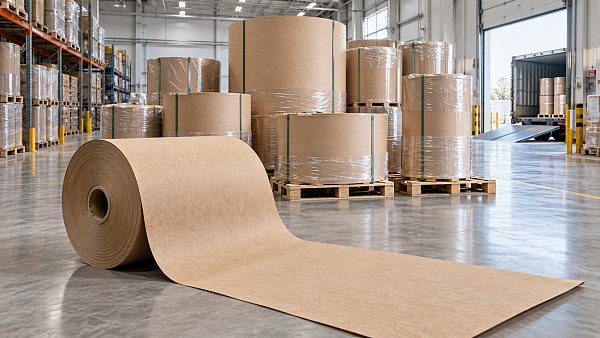
 Eco PackagingWhat affects the price of kraft paper rolls bought wholesale?Kraft paper rolls wholesale pricing depends on grade, basis weight, roll size, order volume, freight, and certifications. Learn how to compare landed costs and choose reliable value.Packaging Supply ExpertOct 03, 2026
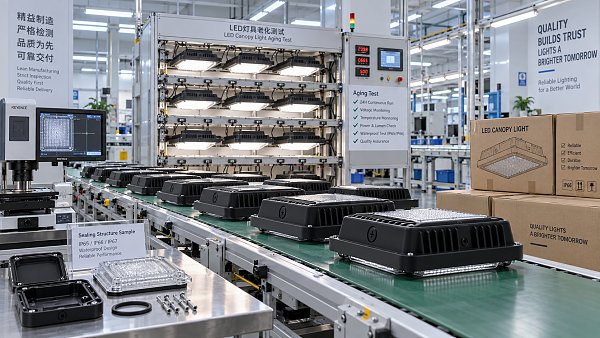
 Commercial LEDHow to evaluate a canopy lights factory before placing a bulk orderCanopy lights factory evaluation guide: verify specifications, compliance, quality control, capacity, and after-sales support before placing a bulk order.Commercial Tech EditorOct 02, 2026
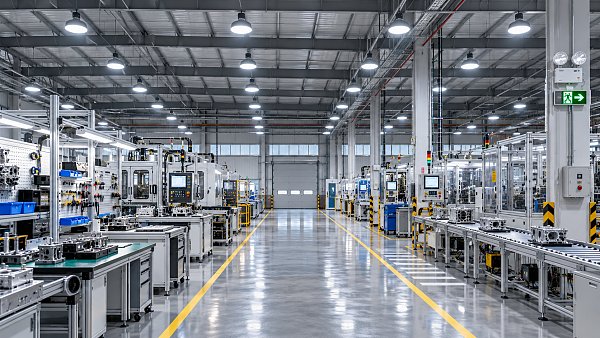
 Commercial LEDHow to choose lighting systems that meet workplace safety needsLighting systems for workplace safety: learn how to control glare, improve visibility, meet environmental demands, and protect workers with reliable, compliant lighting choices.Commercial Tech EditorOct 01, 2026
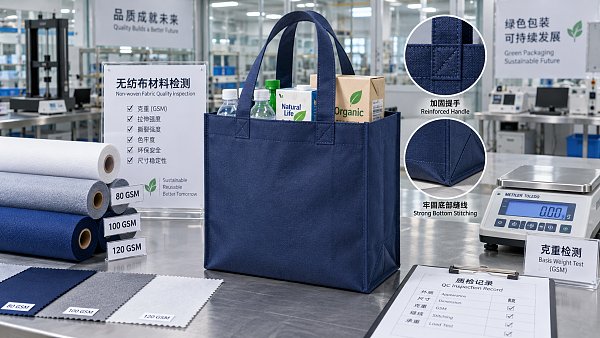
 Fabrics & YarnsWhat fabric weight works best for reusable non woven fabric bags?Non woven fabric for bags: discover the best GSM range for durability, load capacity, print quality, and cost-effective reusable bag sourcing.Textile Industry AnalystSep 30, 2026