Industry News
Curation by industry experts
Hot Articles
Popular Tags
Custom Printed Area Rugs for Office: Design vs Durability
Choosing custom printed area rugs for office environments is no longer a purely decorative decision. It affects brand presentation, user comfort, cleaning budgets, safety performance, and replacement cycles. A rug that looks impressive on day one but fails under chair casters, foot traffic, or frequent cleaning quickly becomes a cost issue. The best sourcing decision balances visual identity with material durability, print stability, and real workplace use.
Why a Checklist Matters Before Buying
Office flooring decisions often involve several priorities at once. Interior branding teams may focus on color accuracy and visual impact. Facilities teams usually care more about stain resistance, edge stability, and cleaning frequency. Finance teams compare total lifecycle cost, not just unit price.
A checklist simplifies these competing goals. It helps evaluate custom printed area rugs for office spaces through measurable factors, including pile construction, backing strength, print method, acoustic value, lead time, and warranty terms. This reduces the risk of selecting a rug that fits the concept board but fails in active commercial use.
Core Checklist for Custom Printed Area Rugs for Office
- Define traffic levels by zone before approving artwork, because reception areas, meeting rooms, corridors, and executive suites require different pile density, backing systems, and wear expectations.
- Match print technology to design complexity, since high-resolution logos, gradients, and brand patterns perform differently across tufted, woven, dyed, and digitally printed rug constructions.
- Check fiber composition carefully, because nylon, solution-dyed polyester, wool blends, and polypropylene each offer different stain behavior, crush resistance, and color retention.
- Verify backing and dimensional stability, especially for custom printed area rugs for office layouts placed under rolling chairs, mobile furniture, or repeated directional traffic.
- Request commercial-grade slip resistance data and edge-finishing details, as curling corners, weak binding, and shifting rugs can create safety risks and maintenance complaints.
- Compare cleanability, not just aesthetics, by asking for stain tests, vacuum recommendations, spot-cleaning protocols, and compatibility with routine janitorial chemicals.
- Review colorfastness under lighting conditions, because sunlight exposure, LED temperature, and lobby illumination can change how printed branding appears throughout the day.
- Assess acoustic and comfort value where needed, since some office rugs support noise control and walking comfort better than hard flooring alone.
- Confirm fire, VOC, and sustainability documentation, particularly for projects requiring indoor air quality compliance, ESG alignment, or green building targets.
- Calculate lifecycle cost per year of use, including freight, installation, underlay, maintenance, and expected replacement timing rather than headline purchase price alone.
Design Priorities: Where Visual Impact Delivers Value
The design case for custom printed area rugs for office projects is strong. A well-executed rug can reinforce brand language without adding permanent architectural changes. Logos, geometric motifs, directional patterns, and color zoning can shape visitor perception immediately.
Printed area rugs also help define multifunctional office layouts. In open-plan spaces, a rug can visually separate collaboration zones, waiting areas, touchdown spaces, and private meeting corners. This is useful when flexibility matters more than fixed partitions.
Reception and Lobby Areas
In reception zones, branding impact usually matters most. Here, custom printed area rugs for office applications should prioritize clean logo reproduction, strong first-impression color control, and resistance to dirt carried from exterior entrances.
Low-to-medium pile constructions with easy-clean fibers often perform better than plush decorative styles. Entrance-adjacent rugs should also be paired with matting strategies to reduce abrasive soil buildup.
Meeting Rooms and Executive Spaces
These environments often allow more design freedom. Texture, subtle gradients, and premium finishes can support a polished atmosphere. However, chair movement and table repositioning still demand stable backing and good recovery from compression.
If the room hosts clients frequently, choose patterns that conceal minor debris between cleaning cycles. Highly solid backgrounds may photograph well, but they can reveal lint, spills, and wear faster.
Open Collaboration Areas
In shared spaces, rug design often supports space planning. Larger formats with subtle printed patterning can reduce visual noise while still distinguishing zones. Acoustic support becomes more valuable here than in smaller enclosed rooms.
For these uses, custom printed area rugs for office projects should avoid overcomplicated imagery. Moderate contrast and repeatable patterns usually age better under daily use.
Durability Priorities: What Determines Long-Term Performance
Durability starts with material science, not appearance. Nylon remains a strong commercial option because of resilience, abrasion resistance, and broad print compatibility. Solution-dyed fibers may offer improved colorfastness and stain performance in demanding spaces.
Construction matters just as much. A beautiful print on a weak base will not survive office movement. Evaluate face weight, tuft bind, backing integrity, and edge finishing. These details directly affect how custom printed area rugs for office settings wear over time.
- Prefer commercial-grade fibers when casters, heavy seating, or repeated circulation will compress the surface daily.
- Use stain-hiding pattern density in coffee, pantry, and waiting zones where accidental spills are common.
- Specify reinforced edges for oversized rugs or installations exposed to routine vacuum drag and furniture movement.
- Test sample panels under actual lighting and cleaning methods before final production approval.
Commonly Overlooked Risks
Ignoring Maintenance Reality
Many rug selections fail because maintenance assumptions are unrealistic. If a printed rug requires specialized cleaning that the site will not follow, appearance decline becomes predictable. Confirm practical cleaning routines before specifying premium finishes.
Approving Small Samples Only
A small swatch rarely shows pattern repeat, tonal balance, or logo readability at scale. For custom printed area rugs for office projects, a strike-off or larger sample is far more reliable than a desktop cutting.
Overvaluing Softness
Soft hand feel can be appealing during sample review, but plush constructions may crush faster in active business settings. Comfort should support use, not override wear performance.
Missing Installation Details
Incorrect underlay selection, poor floor compatibility, or imprecise placement can shorten service life. Even high-quality rugs underperform when installation details are treated as secondary.
Practical Execution Steps
- Map each office zone by traffic intensity, cleaning frequency, and branding importance.
- Shortlist two or three constructions that fit both design goals and expected wear.
- Request technical data sheets covering fiber, backing, fire testing, VOC profile, and maintenance guidance.
- Approve large-format print samples under real office lighting conditions.
- Run a total-cost comparison over three to five years, including cleaning and replacement assumptions.
- Document warranty coverage for fading, edge failure, delamination, and dimensional change.
Final Takeaway and Next Step
Custom printed area rugs for office spaces work best when design ambition is disciplined by commercial performance criteria. The strongest option is rarely the most decorative or the cheapest. It is the one that aligns visual branding, material resilience, maintenance practicality, and lifecycle value.
Start with a zone-by-zone checklist, compare technical specifications against actual use conditions, and validate samples before production. That approach turns a decorative purchase into a reliable workplace asset with measurable long-term return.
Recommended News
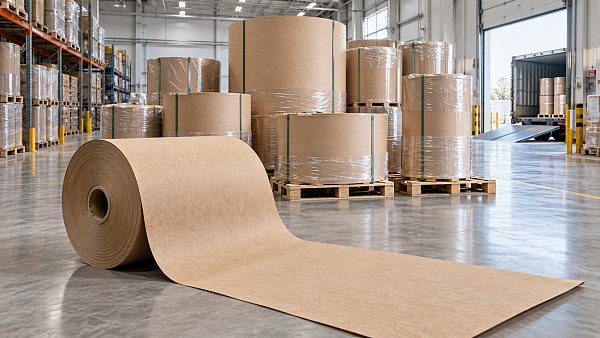
 Eco PackagingWhat affects the price of kraft paper rolls bought wholesale?Kraft paper rolls wholesale pricing depends on grade, basis weight, roll size, order volume, freight, and certifications. Learn how to compare landed costs and choose reliable value.Packaging Supply ExpertOct 03, 2026
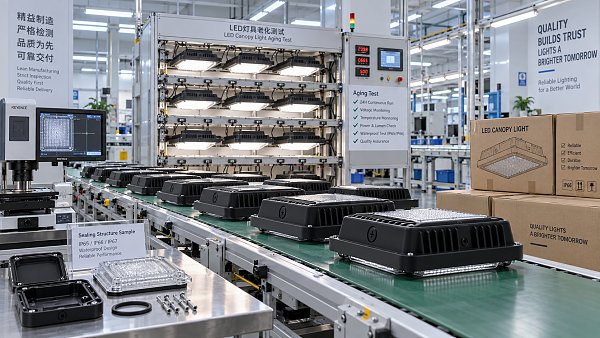
 Commercial LEDHow to evaluate a canopy lights factory before placing a bulk orderCanopy lights factory evaluation guide: verify specifications, compliance, quality control, capacity, and after-sales support before placing a bulk order.Commercial Tech EditorOct 02, 2026
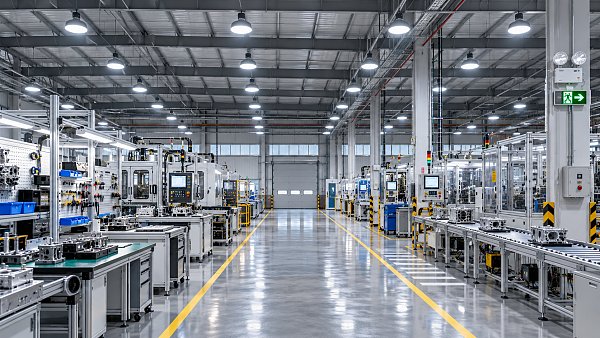
 Commercial LEDHow to choose lighting systems that meet workplace safety needsLighting systems for workplace safety: learn how to control glare, improve visibility, meet environmental demands, and protect workers with reliable, compliant lighting choices.Commercial Tech EditorOct 01, 2026
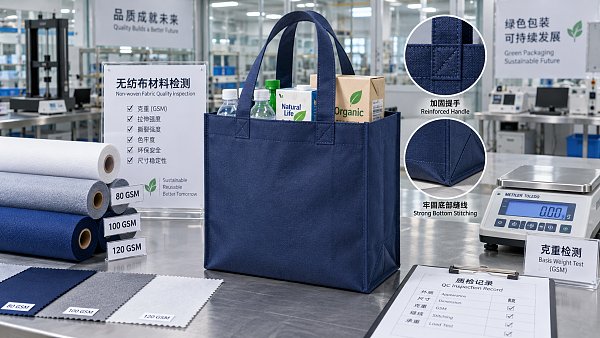
 Fabrics & YarnsWhat fabric weight works best for reusable non woven fabric bags?Non woven fabric for bags: discover the best GSM range for durability, load capacity, print quality, and cost-effective reusable bag sourcing.Textile Industry AnalystSep 30, 2026