Industry News
Curation by industry experts
Hot Articles
Popular Tags
Furniture Business Procurement Guide: MOQ, Margin, and Supplier Risk Checks
Furniture Business Procurement Guide: MOQ, Margin, and Supplier Risk Checks
In furniture business procurement, small mistakes often create large cost problems. MOQ pressure, weak margin planning, and poor supplier checks can damage cash flow very quickly.
This is why strong sourcing decisions depend on numbers, not assumptions. Buyers need to understand order thresholds, landed cost structure, and factory reliability before confirming any deal.
In practical terms, furniture business procurement is not only about finding a lower quote. It is about protecting delivery stability, product consistency, and long-term profitability at the same time.
This guide breaks the process into three core checks: MOQ, margin, and supplier risk. Used together, they support faster and safer procurement decisions.
Why MOQ Matters More Than the Unit Price
MOQ is often treated as a negotiation detail. In furniture business procurement, it is usually a profit and inventory decision first.
A factory may offer an attractive price at 500 units. However, your actual demand may only support 180 units within a safe sales cycle.
That gap creates carrying cost, warehouse pressure, markdown risk, and slower cash rotation. The low price can become the expensive option.
How to Evaluate MOQ in Real Buying Conditions
Start with expected sales velocity, not factory preference. Then compare that demand forecast against the supplier’s minimum order level.
- Estimate sales per SKU over 60, 90, and 120 days.
- Measure storage cost per cubic meter and per unit.
- Check whether mixed models or mixed finishes are allowed.
- Confirm if packaging variation changes the MOQ rule.
- Review container utilization before accepting higher volumes.
From a current market perspective, more suppliers now offer flexible MOQs for new buyers. Even so, flexibility often comes with tradeoffs.
Those tradeoffs may include longer lead times, shared material batches, or reduced finish options. In furniture business procurement, those details need written confirmation.
Margin Planning Should Start Before Negotiation
Many sourcing teams negotiate price first and calculate margin later. That sequence creates blind spots, especially when freight or compliance costs move suddenly.
A workable margin model should be built before the first supplier meeting. It gives a clear target range and reduces emotional decision-making.
Key Cost Layers to Include
Furniture business procurement usually carries more hidden cost layers than smaller consumer goods. Size, packaging, breakage exposure, and return handling all affect margin.
More importantly, use best-case and worst-case scenarios. A margin that works only under ideal freight and defect conditions is not a real margin.
A Simple Margin Stress Test
- Set target gross margin by channel.
- Add a 5% to 8% buffer for freight and claims.
- Model a slower sell-through period.
- Model a higher return or defect rate.
- Reject quotes that fail under moderate stress.
This approach makes furniture business procurement more disciplined. It shifts the conversation from chasing a lower price to securing usable margin.
Supplier Risk Checks Before Contract Signing
Supplier risk is rarely visible in a polished quotation sheet. It appears later through delays, inconsistent quality, or unclear responsibility after a claim.
For that reason, furniture business procurement should include structured risk checks before any purchase order is released.
Commercial Risk Signals
- Unclear payment terms or frequent term changes
- Large deposits without production transparency
- Quotations that expire unusually fast
- Reluctance to define claim handling in writing
- No consistent export documentation process
Operational Risk Signals
- Lead time promises that do not match capacity
- Weak raw material traceability
- No documented quality checkpoints
- High dependence on one subcontractor
- Limited packaging test records
A more serious warning sign is mismatch between claimed capability and actual process control. This happens often with custom furniture programs and mixed-material products.
In real sourcing work, supplier audits do not need to be complicated. They need to be consistent, documented, and tied to the category risk level.
Questions That Improve Supplier Screening
The quality of answers matters more than the speed of replies. Good supplier screening in furniture business procurement depends on specific operational questions.
- Which components are made in-house, and which are outsourced?
- What is the monthly output by product category?
- How is finish consistency controlled across batches?
- What is the rework rate for recent orders?
- How are carton drop tests and loading tests documented?
- What happens when inspection results fail before shipment?
- How are replacement parts supplied after delivery?
These questions help separate trading strength from manufacturing strength. That distinction is essential when buying higher-value or customized furniture lines.
This also means furniture business procurement should involve cross-checking. Audit notes, sample quality, and quotation logic should tell the same story.
Balancing MOQ, Margin, and Risk in One Decision Model
The strongest procurement decisions usually come from a simple scorecard. It keeps buying teams from overvaluing one attractive number.
For example, one supplier may offer the lowest price. Another may provide better MOQ flexibility, cleaner documentation, and lower claim exposure.
In that case, the second option may create better total value. Furniture business procurement works best when total cost and execution risk are assessed together.
Practical Scorecard Factors
- MOQ fit with forecast demand
- Expected gross margin after landed cost
- Lead time reliability
- Quality control maturity
- Claim response and after-sales support
- Compliance and documentation readiness
This kind of framework supports repeatable sourcing decisions. It also makes internal approval easier because the tradeoffs are visible and documented.
Common Procurement Mistakes to Avoid
- Approving MOQ based on price breaks alone
- Using margin estimates without landed cost detail
- Skipping packaging validation for fragile items
- Assuming sample quality reflects bulk production
- Signing contracts without defect and claim terms
- Relying on one supplier without backup capacity
Most of these mistakes are preventable. They usually happen when timelines are tight and basic checks are treated as optional.
A more reliable process is slower at the start, but much cheaper later. That is a worthwhile trade in furniture business procurement.
Final Takeaway for Better Sourcing Decisions
Furniture business procurement becomes more stable when MOQ, margin, and supplier risk are reviewed together, not in separate conversations.
The most useful habit is simple. Validate order quantity against real demand, pressure-test the margin, and verify supplier capability with evidence.
That process supports better cost control, fewer claims, and stronger supplier relationships. It also aligns sourcing choices with long-term supply chain resilience.
For teams managing complex global sourcing, disciplined furniture business procurement is less about reacting to quotes and more about making informed decisions early.
Recommended News
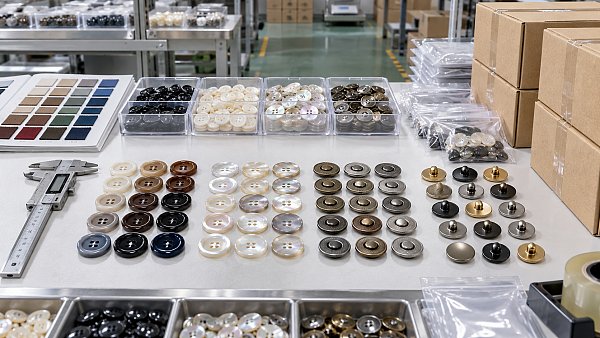
 Garment MfgWhat drives unit costs when buying garment buttons wholesale?Garment buttons wholesale costs depend on material, tooling, finish, MOQ, quality, packing, and freight. Learn how to compare true landed costs and source reliably.Textile Industry AnalystOct 06, 2026
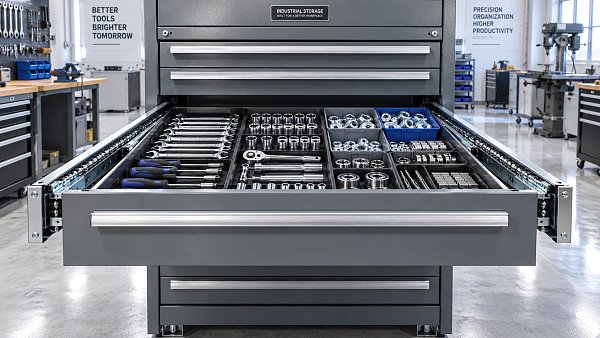
 Building HardwareWhat load rating should you specify for wholesale ball bearing slides?Wholesale ball bearing slides: learn how to specify the right load rating for drawer weight, extension, mounting, and durability. Source smarter and reduce failures.Tooling & Hardware LeadOct 05, 2026
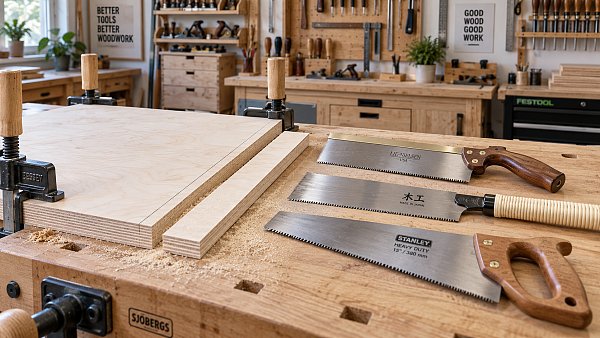
 Hand & Power ToolsHow to choose a hand saw for woodworking without tear-outHand saw for woodworking guide: choose the right tooth pattern, blade, and technique to achieve clean, precise cuts with less tear-out. Explore practical buying tips.Tooling & Hardware LeadOct 04, 2026
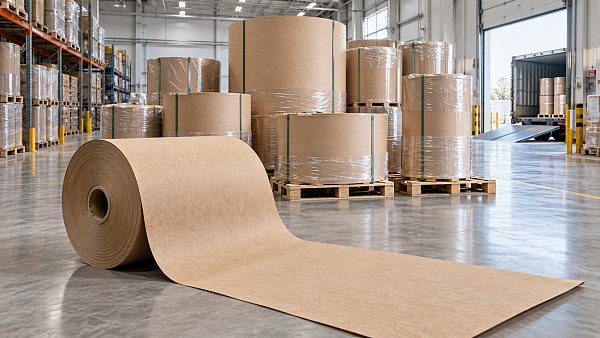
 Eco PackagingWhat affects the price of kraft paper rolls bought wholesale?Kraft paper rolls wholesale pricing depends on grade, basis weight, roll size, order volume, freight, and certifications. Learn how to compare landed costs and choose reliable value.Packaging Supply ExpertOct 03, 2026